Owl
An animal with two nearly opposite meanings depending on tradition: a classical symbol of wisdom (as the companion of Athena/Minerva), and — especially in Northern European and Spanish painting — a creature of night, folly, and witchcraft.
The classical tradition, inherited from Greek and Roman mythology, makes the owl a companion of the goddess of wisdom, and Renaissance humanist imagery sometimes draws on that association directly. But Northern Renaissance and later Spanish painting more often invert it: because the owl is a nocturnal hunter, associated with darkness and hidden sight, it became a folk symbol of foolishness, moral blindness, or the demonic — an owl watching a scene from the shadows is rarely a compliment to anyone in it.
That darker reading reaches an extreme in Francisco Goya's later work, where owls and bat-like creatures swarm around sleeping or vulnerable figures as agents of irrationality and nightmare — most famously in his print The Sleep of Reason Produces Monsters, where the owls closing in on the slumped, sleeping artist are a direct visual argument about what happens when reason switches off.
Owl in the collection
Paintings in the catalog documented as featuring this symbol.

Nest Of Owls
Hieronymus Bosch

Virgin and Child with the Young Saint John the Baptist
Correggio
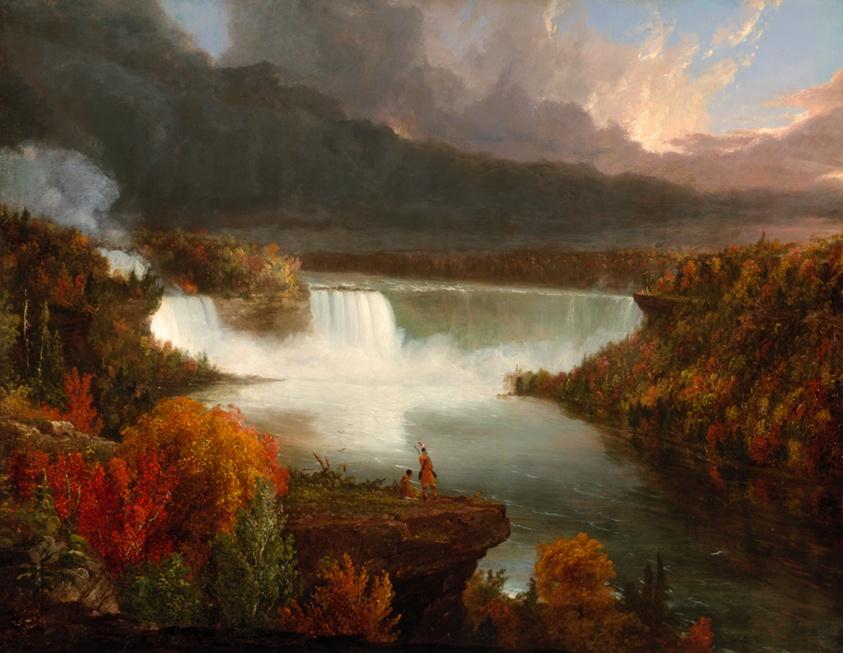
Distant View of Niagara Falls
Thomas Cole
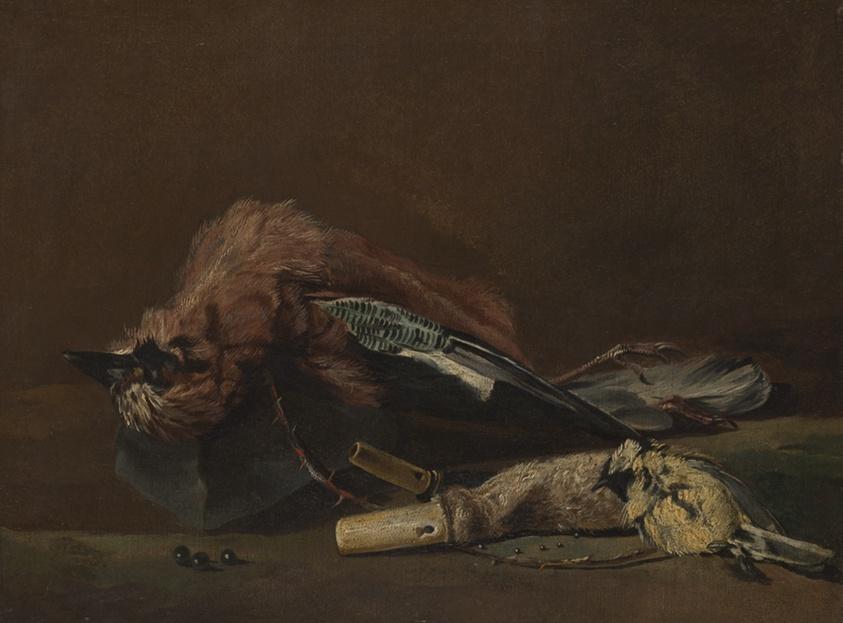
Dead Birds and Shot Bags
Attributed to Pieter Boel
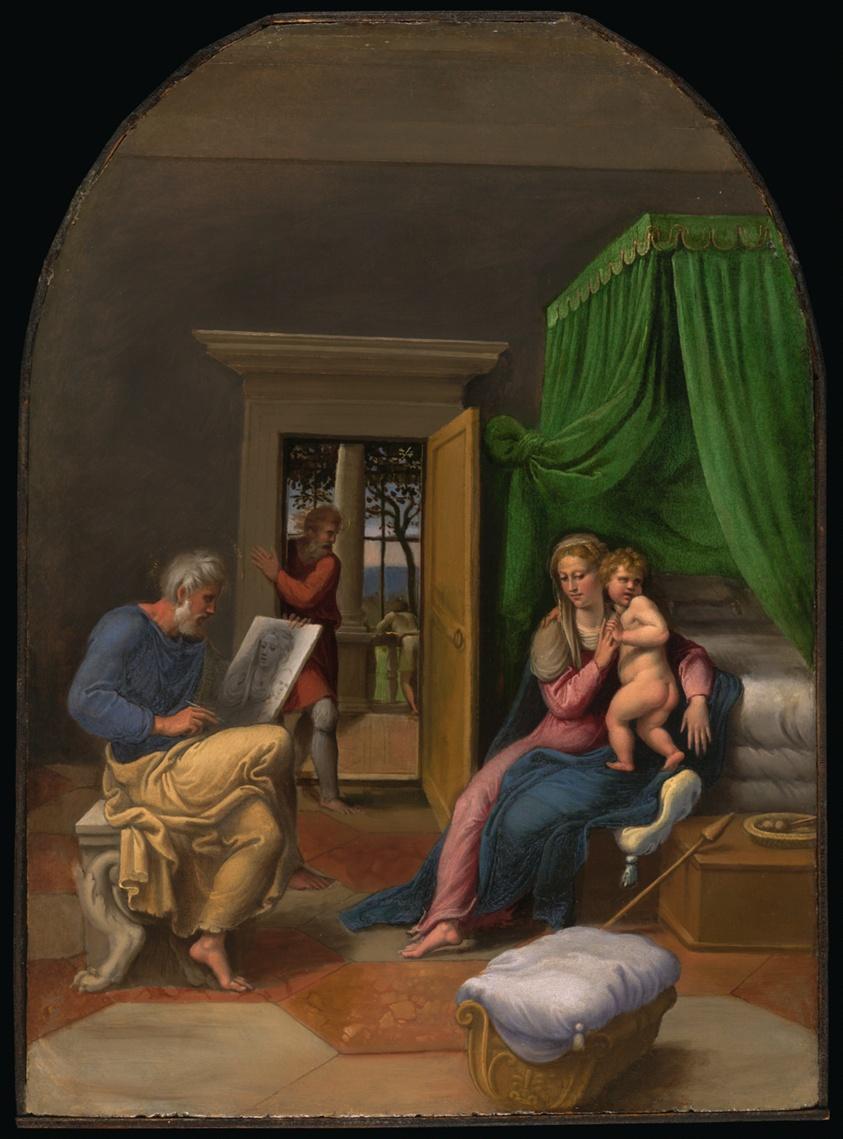
Saint Luke Drawing the Virgin and Christ Child
Girolamo da Carpi
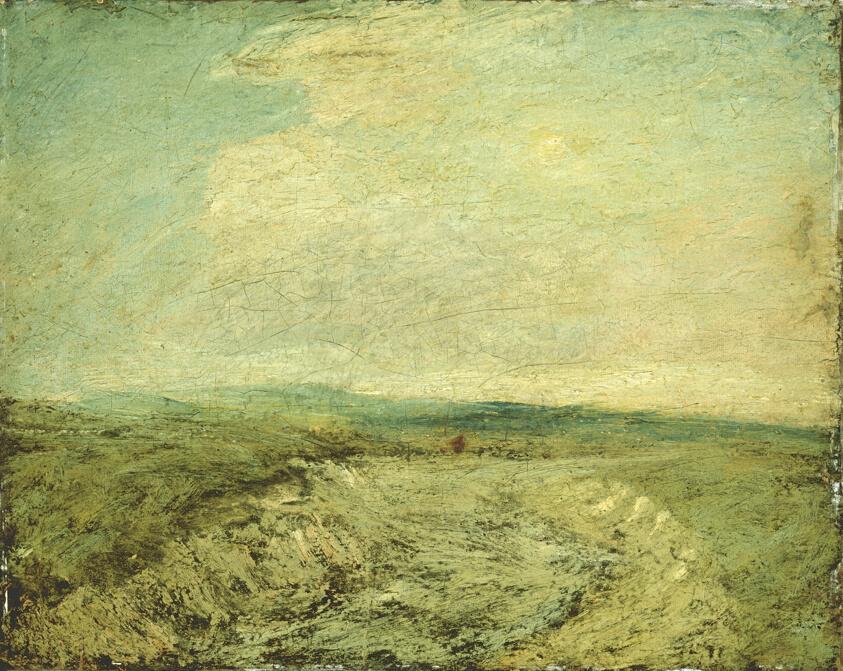
The Essex Canal
Albert Pinkham Ryder American
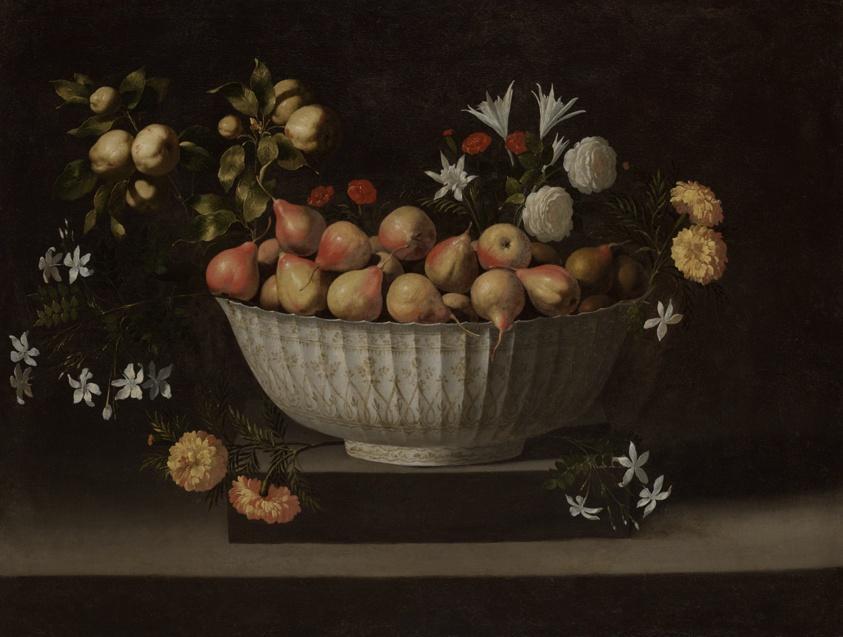
Flowers and Fruit in a Porcelain Bowl
Juan de Zurbarán

The Old Temple
Hubert Robert