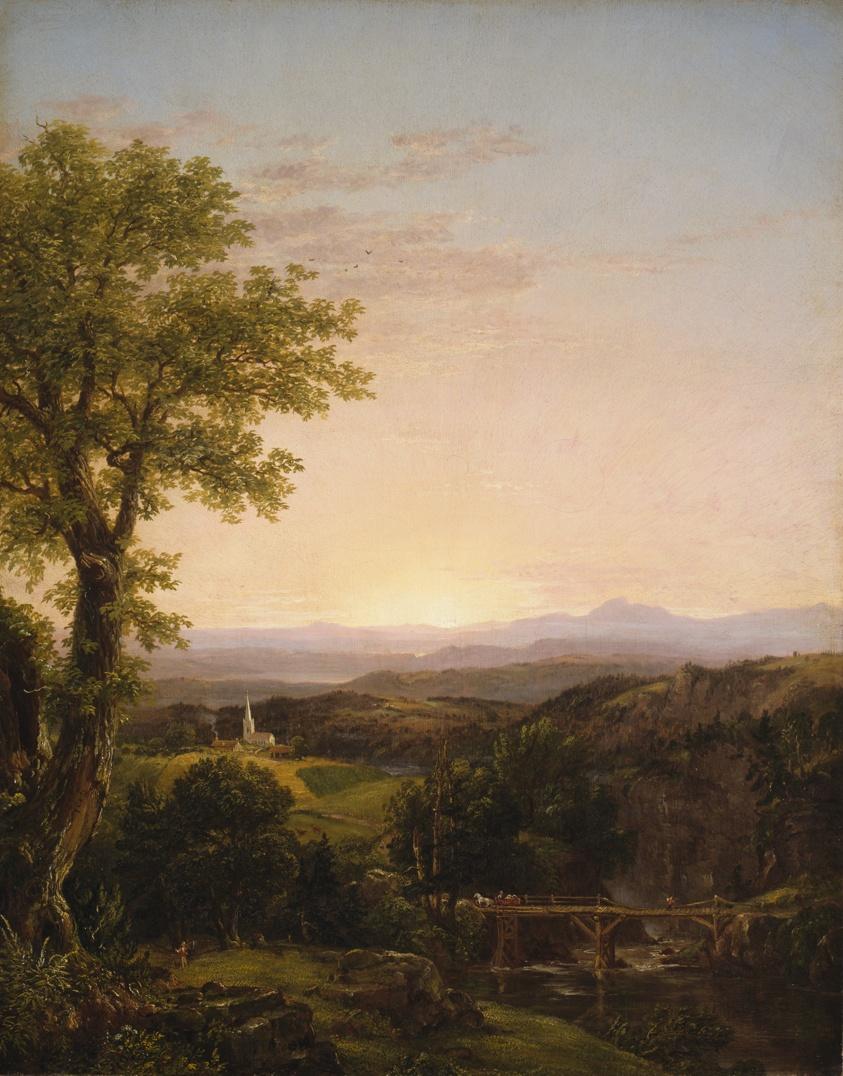
New England Scenery
Thomas Cole
648 likes58 comments
Paintale uses cookies for essential site functionality and, where enabled, to serve relevant advertising via Google AdSense. You can accept all cookies or reject non-essential ones. See our Privacy Policy for details.
Now viewing
Distant View of Niagara Falls
Thomas Cole
Period
1780-1830
Theme
Landscape
Medium
Oil on wood panel
Current Location
Art Institute of Chicago, Chicago
The Story
Thomas Cole visited Niagara Falls in May 1829, composing this romanticized, autumnal scene the following year. Portraying the grandeur of the American landscape, the artist omitted the factories, scenic overlooks, and hotels that populated the area in the early 19th century. Cole expressed concern about the environmental impact of voracious industrialism, but at the same time his painting erased the human devastation wrought by colonialism and conquest in the region, which encompassed Attiwonderonk, Haudenosaunee, and Wenrohronon lands.
The two Native American figures at center, combined with the falls, identify the setting as North America, but their diminished presence in scale and number reinforces the false idea of the “vanishing Indian” and is meant to signal impending transformation rather than acknowledge their stolen sovereignty.
Executed in Oil on wood panel, measuring 47.9 × 60.6 cm (18 7/8 × 23 7/8 in.), the surface rewards close looking. Thomas Cole builds the composition through layered glazes and a tightly controlled palette, letting cool shadows recede so that the warm, lit passages step forward.
Look closely and the painting opens up. Objects you might pass over — a folded letter, a half-drawn curtain, the angle of a glance — were placed to be read. Weather and light are the real subject — the artist is tracking a specific, fleeting atmospheric moment rather than an idealized, generic view.
Housed at Art Institute of Chicago in Chicago, the painting has passed through the hands of collectors, dealers, and institutions before reaching public view — a provenance that is itself part of the object's story.
“A silence so complete it becomes its own witness.”
This painting features documented symbols with their own dedicated meaning in art history:
Thomas Cole visited Niagara Falls in May 1829, composing this romanticized, autumnal scene the following year. Portraying the grandeur of the American landscape, the artist omitted the factories, scenic overlooks, and hotels that populated the area in the early 19th century. Cole expressed concern about the environmental impact of voracious industrialism, but at the same time his painting erased the human devastation wrought by colonialism and conquest in the region, which encompassed Attiwonderonk, Haudenosaunee, and Wenrohronon lands. The two Native American figures at center, combined with the falls, identify the setting as North America, but their diminished presence in scale and number reinforces the false idea of the “vanishing Indian” and is meant to signal impending transformation rather than acknowledge their stolen sovereignty.
Friends of American Art Collection
Technique: oil painting, painting (image making).
Inscriptions: Signed, lower right: "Thomas Cole / 1830".
Frank Sabin, London, by 1936; M. Knoedler & Co., London, 1937. Mrs. Edith Mendelssohn-Bartholdy, London, by 1946; to the Art Institute of Chicago, 1946.
Art Institute of Chicago, Chicago. View on the museum’s official page.
See more works at Art Institute of Chicago or browse the full Thomas Cole collection.
A restrained palette and sculptural lighting create a solemn geometry. The wooden crate and letter anchor the narrative with journalistic precision.
Sources
Keep Exploring
More paintings like this
Thomas Cole

Francisco Goya

Leonardo da Vinci

Leonardo da Vinci

Leonardo da Vinci

Leonardo da Vinci
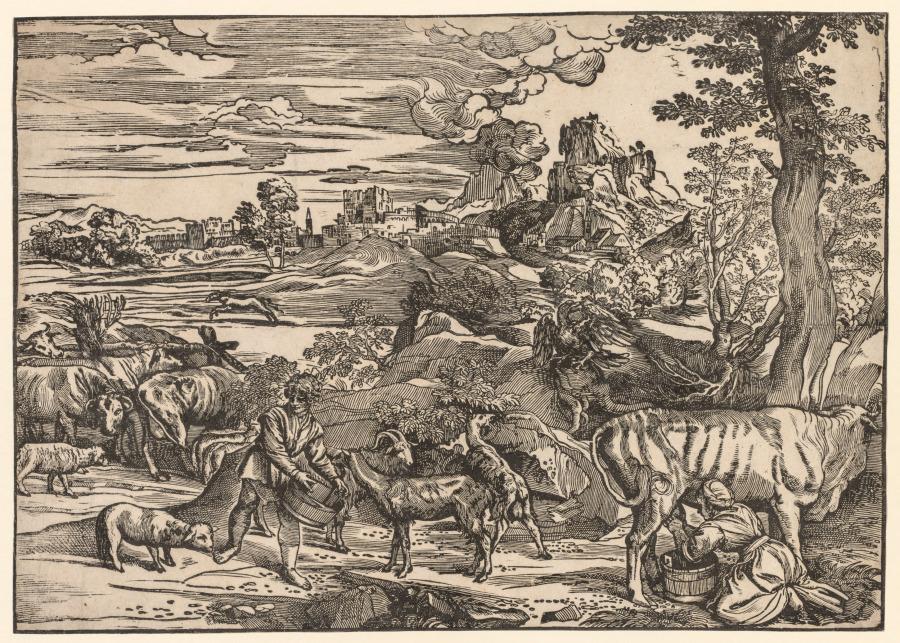
Niccolo Boldrini
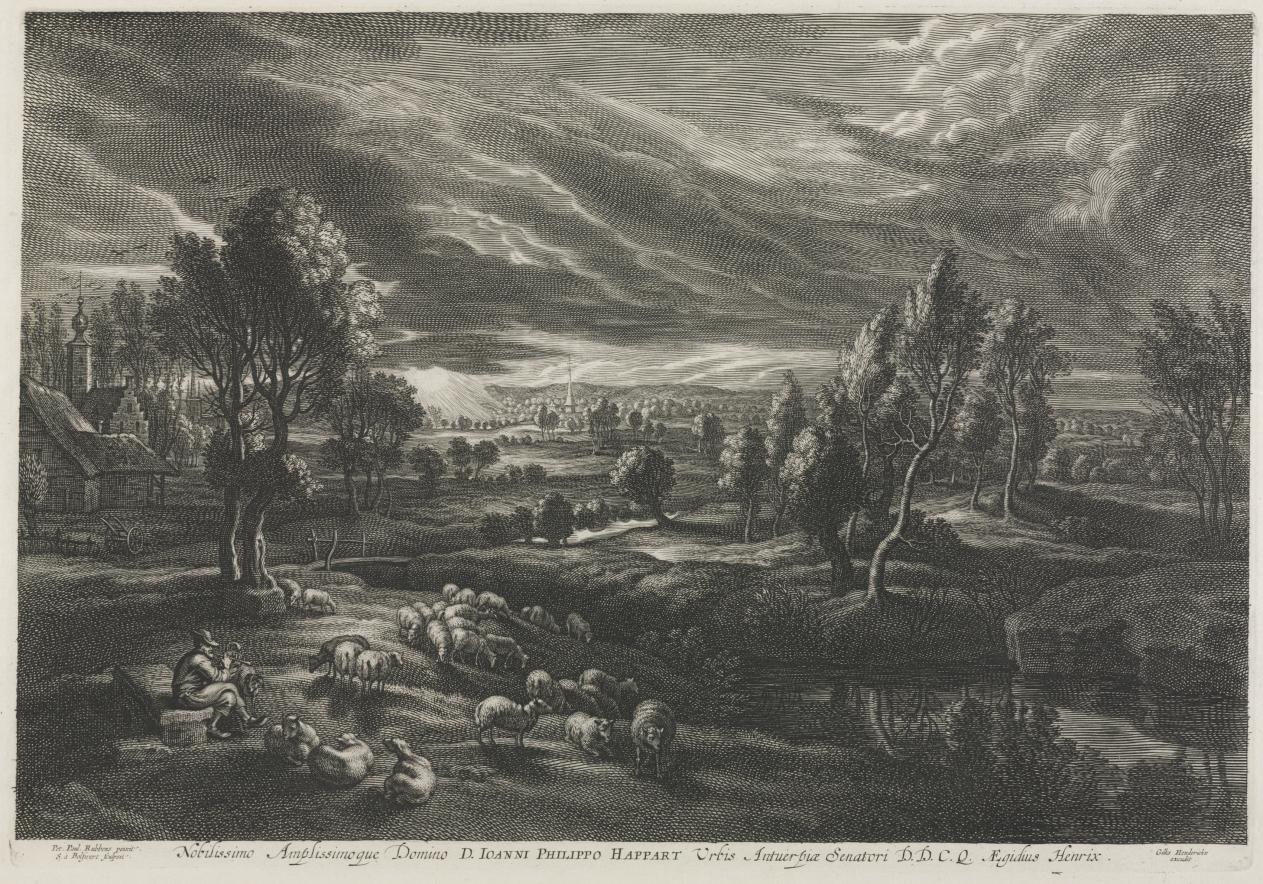
Schelte Adams Bolswert