
Galloping Rider And Other Figures
Leonardo da Vinci
464 likes114 comments
Discover
Explore 500+ paintings from Renaissance & Baroque
Featured Collections
Leonardo da Vinci

Leonardo da Vinci
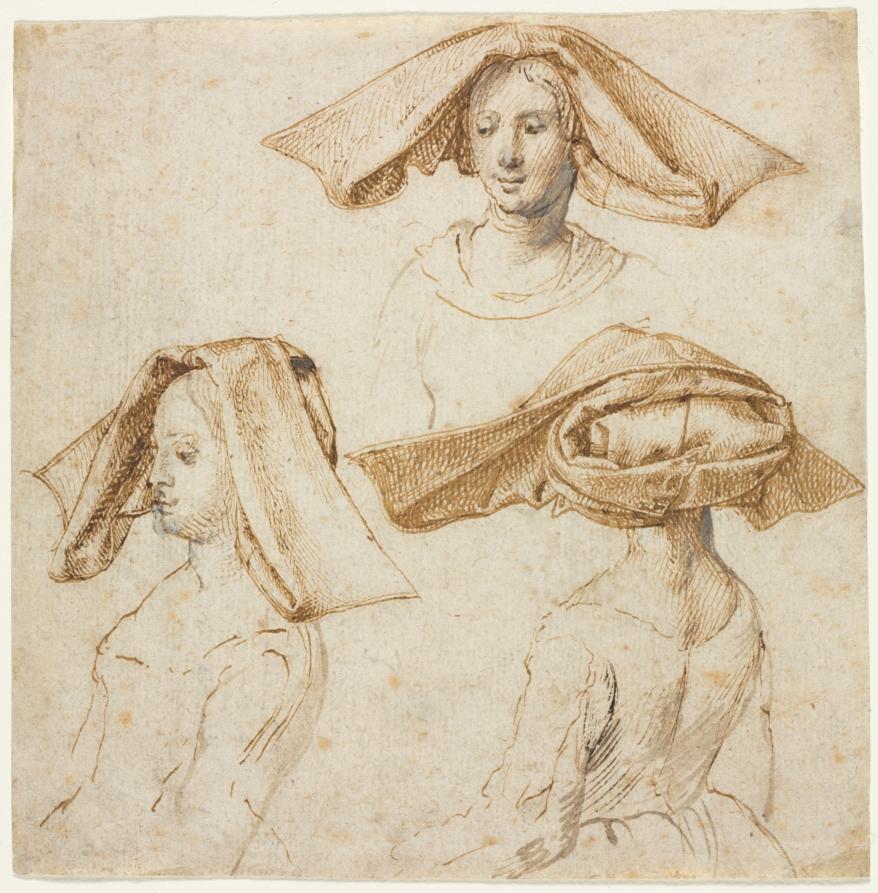
Anonymous

Leonardo da Vinci

Leonardo da Vinci

Leonardo da Vinci
Leonardo da Vinci

Leonardo da Vinci
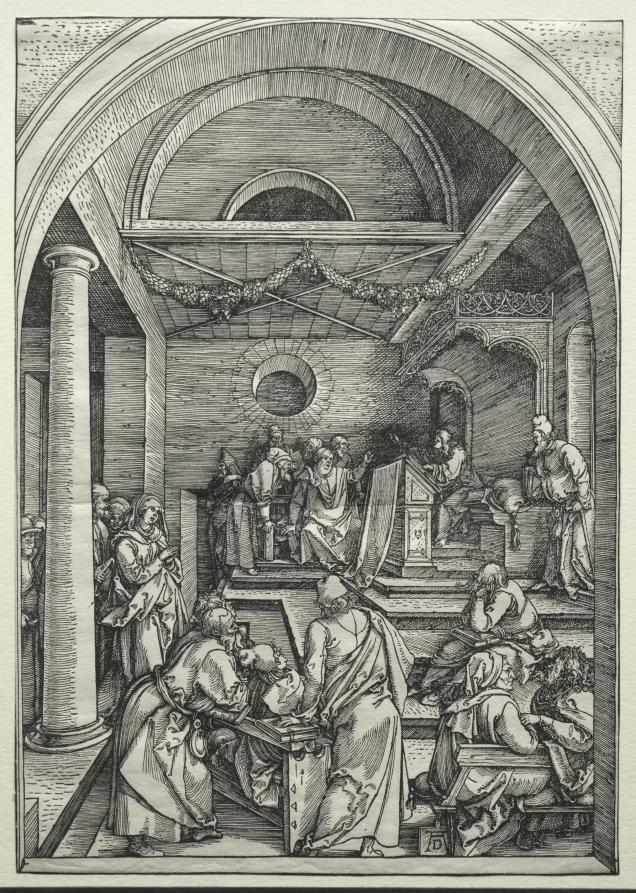
Albrecht Dürer

Leonardo da Vinci
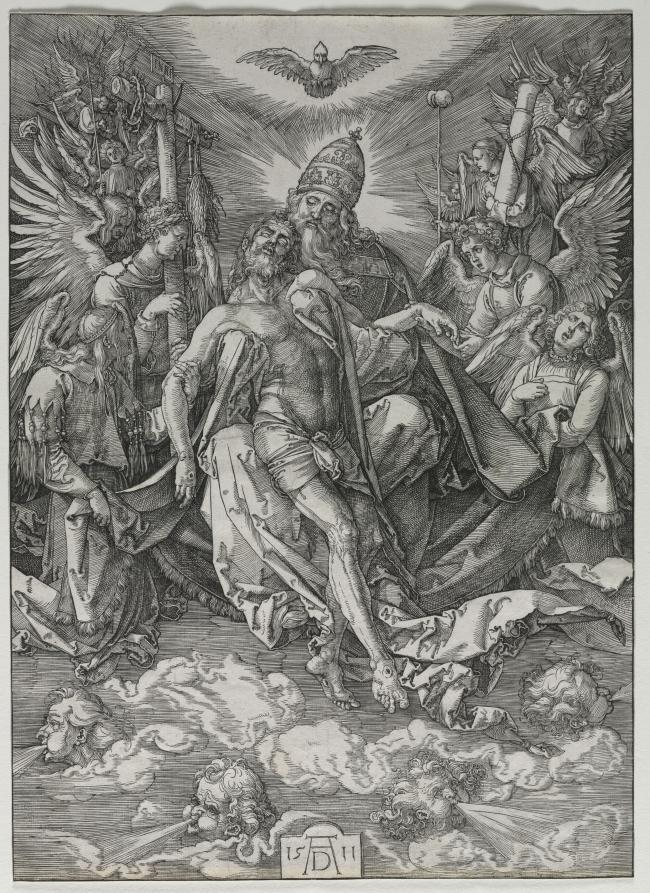
Albrecht Dürer
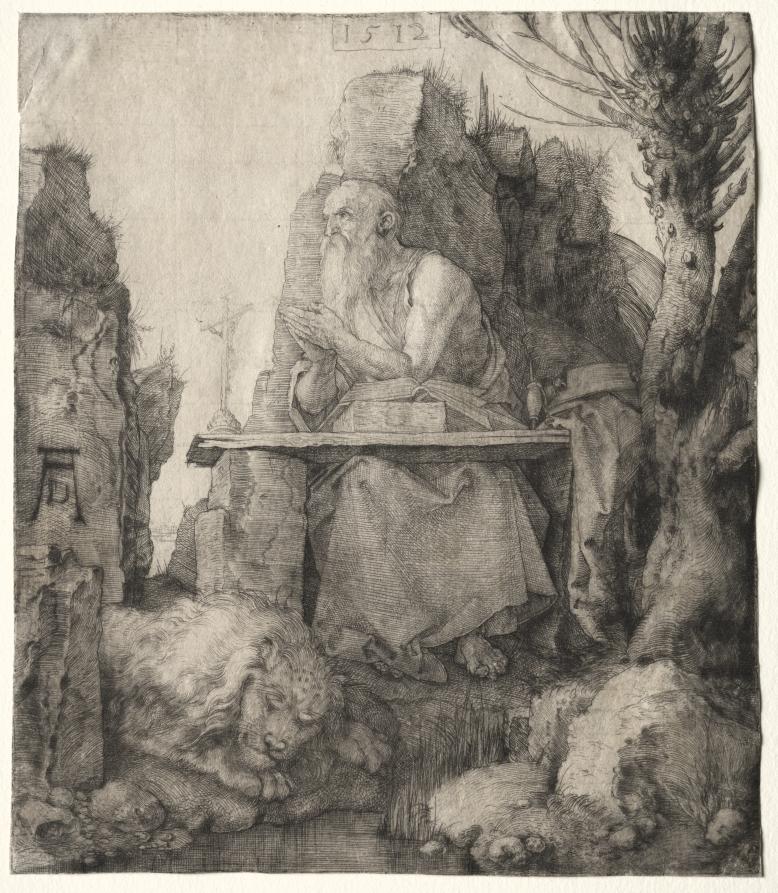
Albrecht Dürer
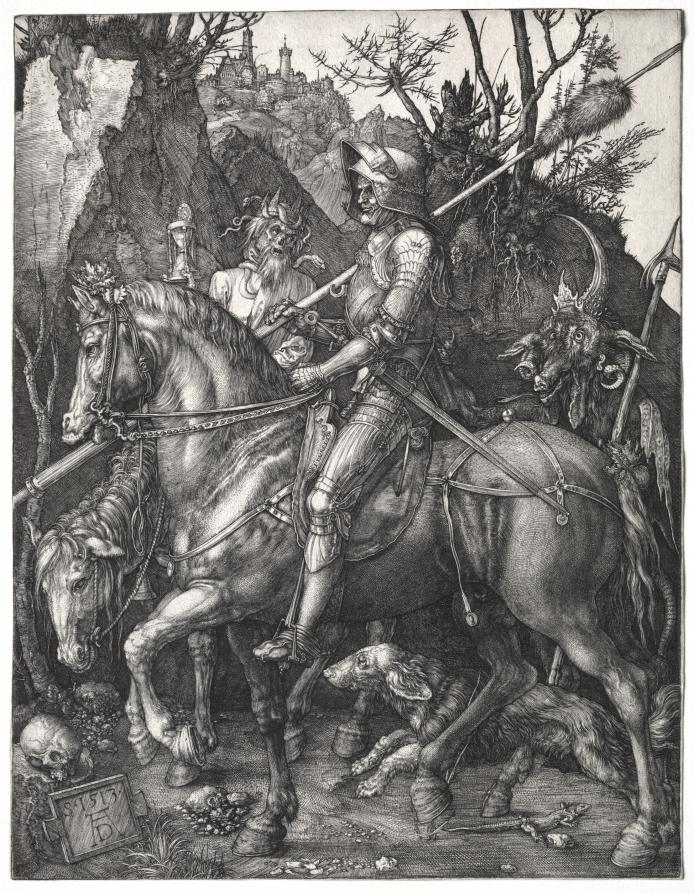
Albrecht Dürer
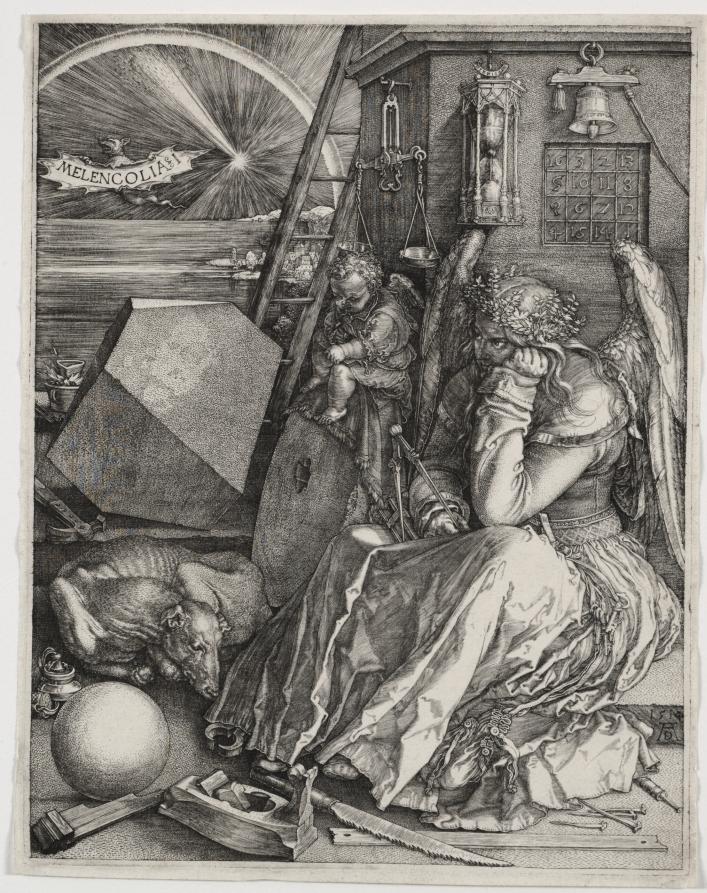
Albrecht Dürer
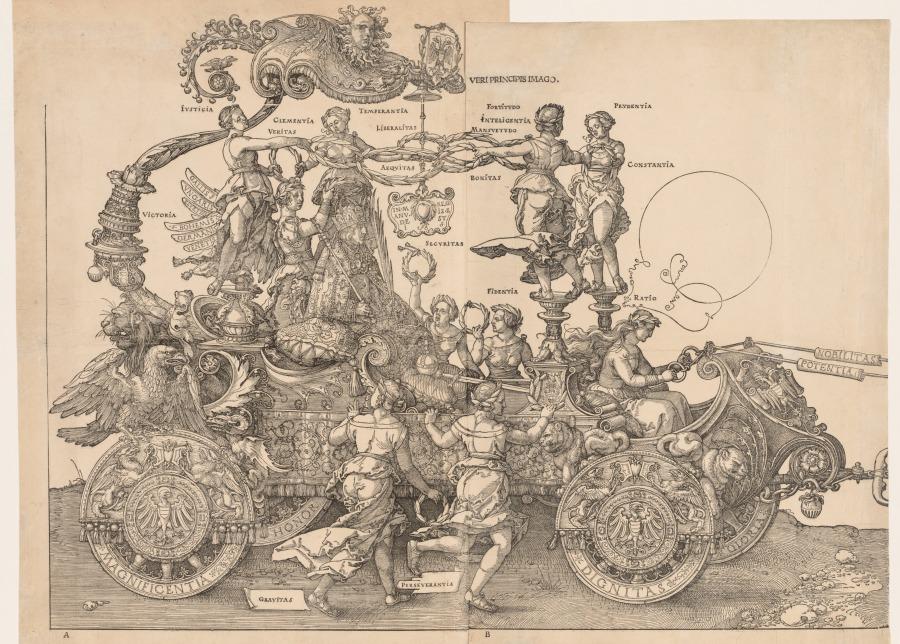
Albrecht Dürer
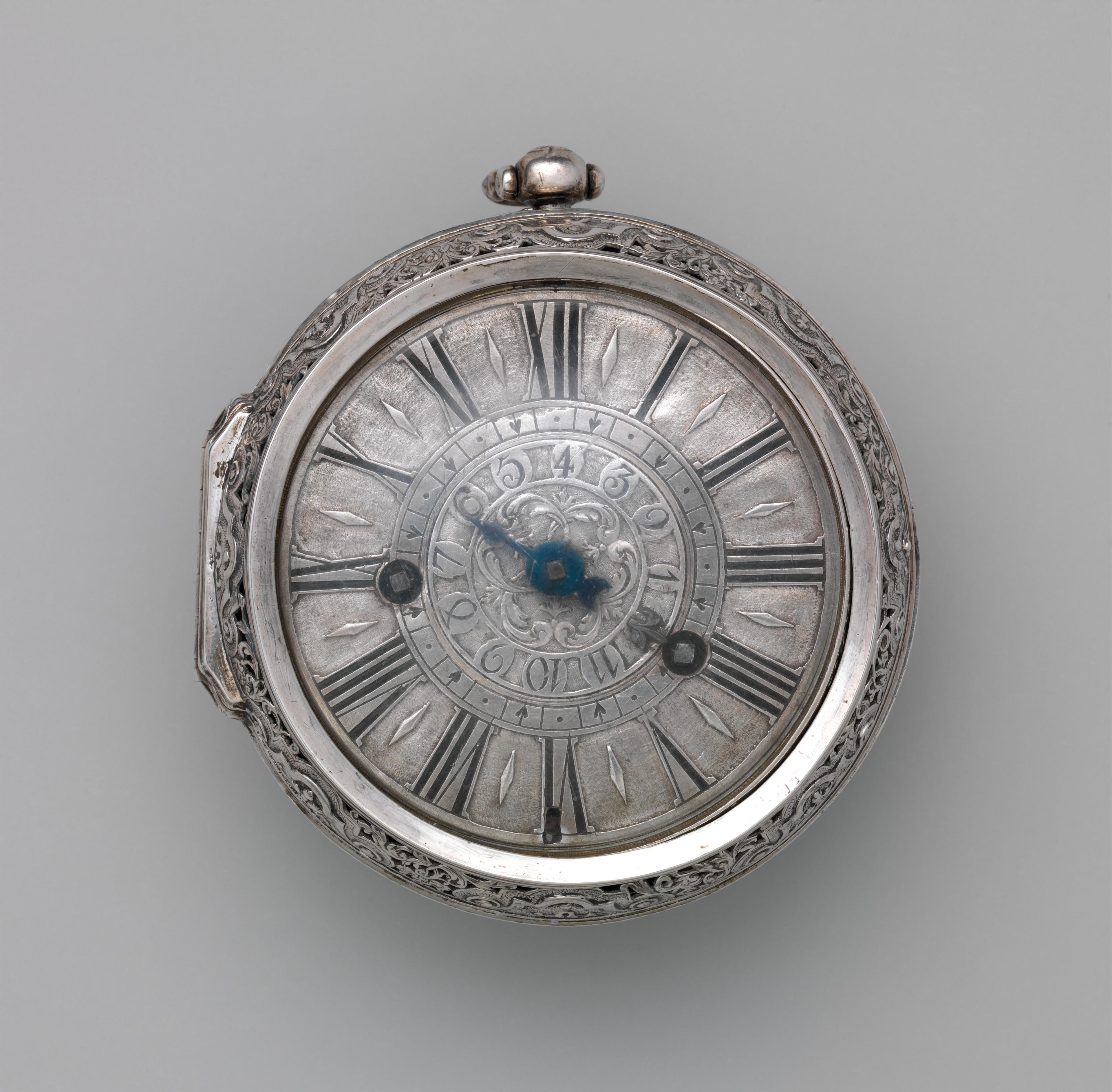
Adam Roumeau
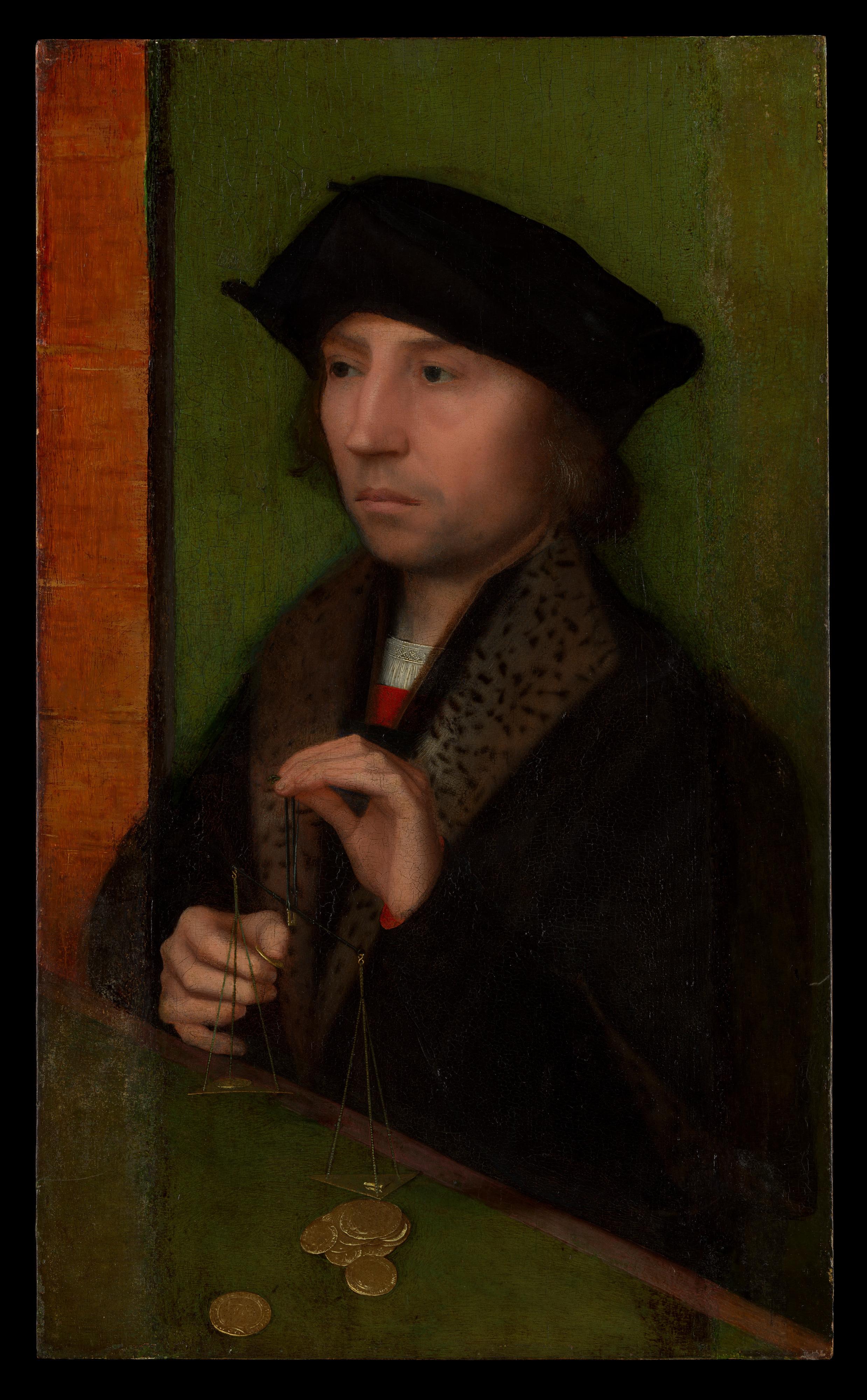
Adriaen Isenbrant
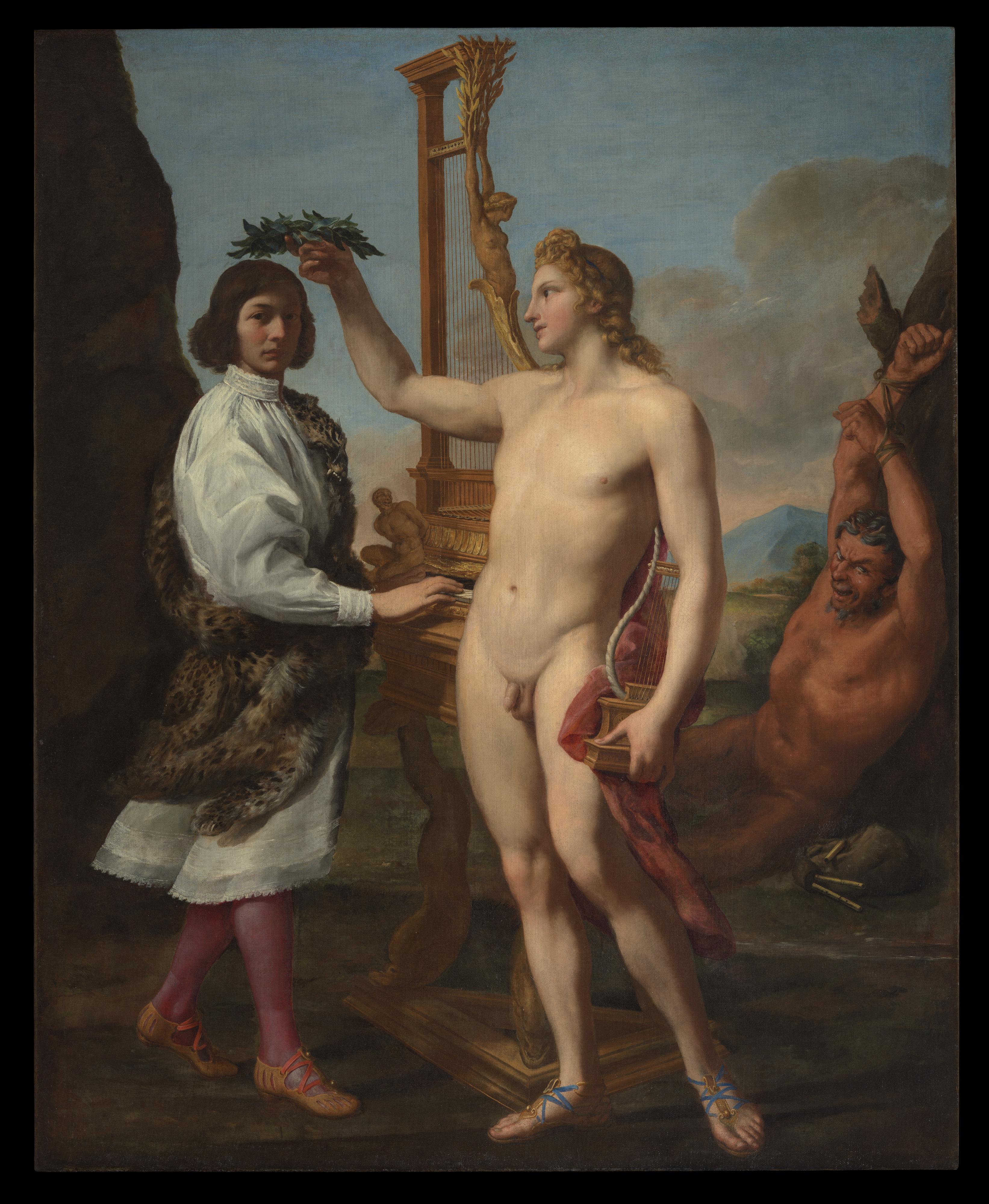
Andrea Sacchi
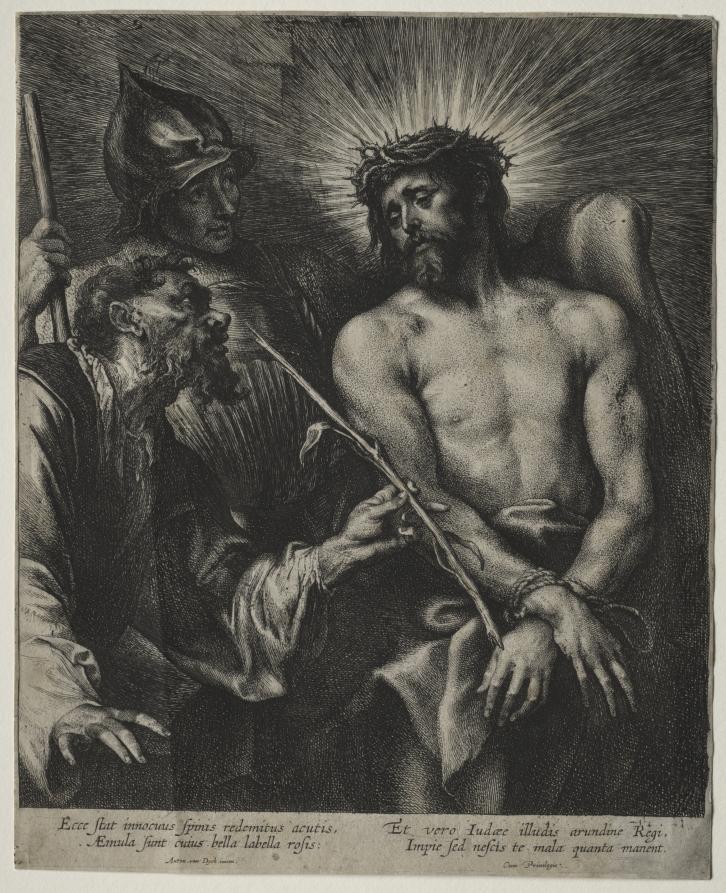
Anthony van Dyck

Leonardo da Vinci

Leonardo da Vinci

Leonardo da Vinci

Leonardo da Vinci

Leonardo da Vinci
The two centuries between 1500 and 1700 produced more enduring images than any comparable stretch in Western art. The Renaissance — Leonardo, Raphael, Titian, Michelangelo — rebuilt painting around the human body, one-point perspective, and the dignified weight of classical antiquity. The Baroque that followed pushed harder: Caravaggio dragged saints into the gutter and lit them like operatic stages, Rembrandt turned shadow into a moral atmosphere, Velázquez painted Spanish power as if from inside it, and Vermeer made the silent kitchen the most metaphysical room in Europe.
A century later and an ocean away, American painters built their own visual language. The Hudson River School — Thomas Cole, Frederic Edwin Church, Albert Bierstadt — turned the American wilderness into sublime, almost religious spectacle. By the 1880s, American Impressionists like Childe Hassam and William Merritt Chase, and expatriates like John Singer Sargent and Mary Cassatt, brought a distinctly American eye to the light and color pioneered in France, while Winslow Homer and Thomas Eakins pushed American realism toward the sea, the studio, and everyday labor.
Use the filters above to narrow this collection by period (1500–1550 through 1901–1920), theme (religion and mythology, portraiture, love, tragedy, power, daily life, landscape), artist, or museum. Every painting page on Paintale unpacks the symbolism, the technique, and the long afterlife of the work — why a gesture, a fabric, or a glance was loaded with meaning at the moment it was painted, and why we still argue about it today.
Paintale uses cookies for essential site functionality and, where enabled, to serve relevant advertising via Google AdSense. You can accept all cookies or reject non-essential ones. See our Privacy Policy for details.