Mount Washington
Winslow Homer
727 likes17 comments
Paintale uses cookies for essential site functionality and, where enabled, to serve relevant advertising via Google AdSense. You can accept all cookies or reject non-essential ones. See our Privacy Policy for details.
Now viewing
Croquet Scene
Winslow Homer
Period
1831-1870
Theme
Tragedy & Death
Medium
Oil on canvas
Current Location
Art Institute of Chicago, Chicago
The Story
One of America’s foremost painters, Winslow Homer began his career as an illustrator during the Civil War. In the late 1860s, he turned his acute observational and technical skills toward oil painting, depicting figures bathed in sunlight out-of-doors. These early paintings, often executed in series, feature scenes of upper-class leisure pursuits—in this case, women and men competing with one another in the popular sport of croquet, which had recently been introduced to the United States from the British Isles.
In Croquet Scene, one of five paintings Homer completed on the subject, progress on “the grand round” seems fairly advanced. The crouching male figure positions the ball belonging to the woman dressed in red. She is about to croquet (or “send up the country”) another ball, probably belonging to the woman in the left foreground, who shields her eyes against the bright afternoon sun. Notable for its bold patterning, strong contours, and brilliant light effects, the painting epitomizes the spirit of a breezy summer afternoon.
Working in Oil on canvas at 40.3 × 66.2 cm (15 7/8 × 26 1/16 in.), Winslow Homer constructs depth through value contrast rather than outline, letting figures emerge from darkness the way they would under candlelight or through a shuttered window.
Look closely and the painting opens up. Objects you might pass over — a folded letter, a half-drawn curtain, the angle of a glance — were placed to be read. Grief here is choreographed: hands, drapery, and gaze are arranged to guide sympathy rather than simply record a scene.
Housed at Art Institute of Chicago in Chicago, the painting has passed through the hands of collectors, dealers, and institutions before reaching public view — a provenance that is itself part of the object's story.
“A silence so complete it becomes its own witness.”
One of America’s foremost painters, Winslow Homer began his career as an illustrator during the Civil War. In the late 1860s, he turned his acute observational and technical skills toward oil painting, depicting figures bathed in sunlight out-of-doors. These early paintings, often executed in series, feature scenes of upper-class leisure pursuits—in this case, women and men competing with one another in the popular sport of croquet, which had recently been introduced to the United States from the British Isles. In Croquet Scene, one of five paintings Homer completed on the subject, progress on “the grand round” seems fairly advanced. The crouching male figure positions the ball belonging to the woman dressed in red. She is about to croquet (or “send up the country”) another ball, probably belonging to the woman in the left foreground, who shields her eyes against the bright afternoon sun. Notable for its bold patterning, strong contours, and brilliant light effects, the painting epitomizes the spirit of a breezy summer afternoon.
Friends of American Art Collection; Goodman Fund
Technique: oil painting, painting (image making).
Inscriptions: Signed, lower right: "WINSLOW HOMER/-66-".
William Sumner Appleton, Boston, from 1871 to 1903; by descent to William Sumner Appleton, Jr., Boston, from 1903. C.C. Childes, Boston, by 1941; sold through M. Knoedler & Co., New York, to the Art Institute of Chicago, 1942.
Art Institute of Chicago, Chicago. View on the museum’s official page.
See more works at Art Institute of Chicago or browse the full Winslow Homer collection.
A restrained palette and sculptural lighting create a solemn geometry. The wooden crate and letter anchor the narrative with journalistic precision.
Sources
Keep Exploring
More paintings like this
Winslow Homer
Winslow Homer

Winslow Homer
George Frederick Watts

Winslow Homer
Jacques Louis David
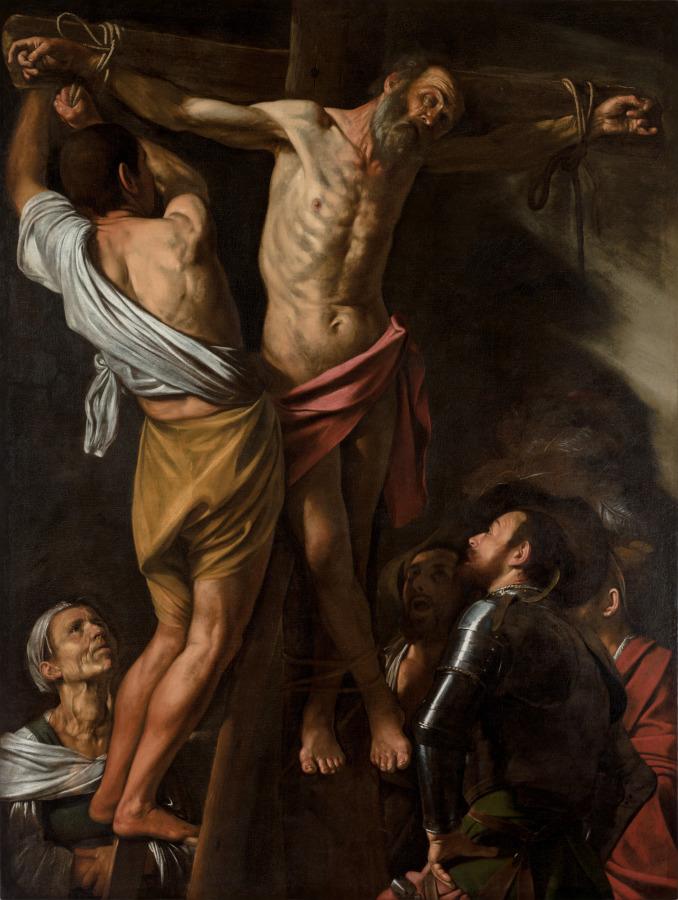
Caravaggio
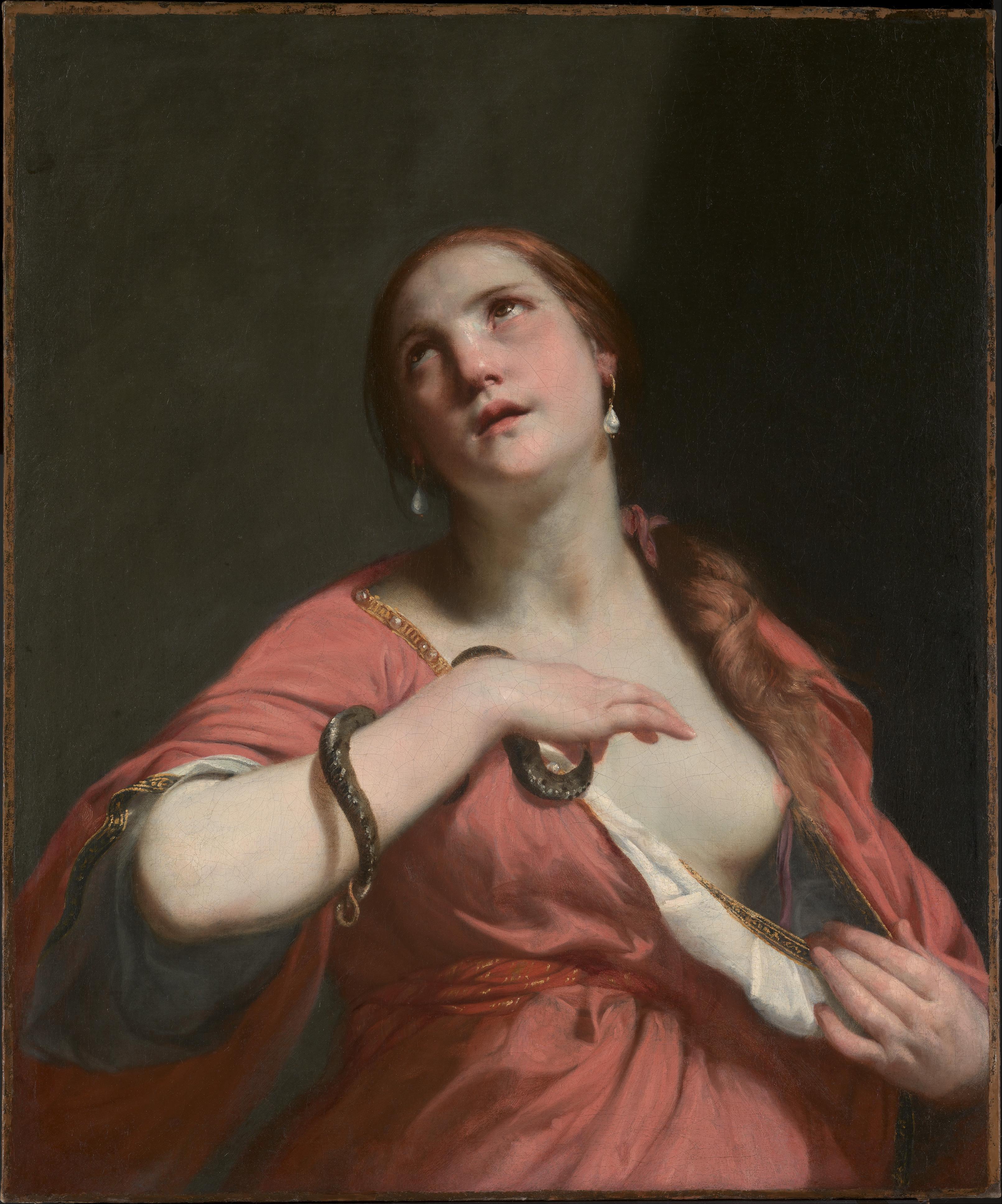
Guido Cagnacci