
Peach Blossoms
Winslow Homer
853 likes103 comments
Paintale uses cookies for essential site functionality and, where enabled, to serve relevant advertising via Google AdSense. You can accept all cookies or reject non-essential ones. See our Privacy Policy for details.
Now viewing
The Herring Net
Winslow Homer
Period
1871-1900
Theme
Daily Life
Medium
Oil on canvas
Current Location
Art Institute of Chicago, Chicago
The Story
Long inspired by the sea, Winslow Homer spent time in 1881 in a fishing community in Tynemouth, England. The experience fundamentally changed his life and work. His paintings thereafter focused almost exclusively on humankind’s age-old contest with nature. In The Herring Net, executed in Prouts Neck, Maine, Homer depicted the heroic efforts of fishermen at their daily work. In a small dory, one figure hauls in glistening herring, while the other, possibly a boy, unloads the catch.
Laboring far from the schooners on the horizon, the pair strives to steady the precarious boat as it rides the incoming swells.
The physical object — Oil on canvas, 76.5 × 122.9 cm (30 1/8 × 48 3/8 in.) — carries its own history of handling and restoration. Winslow Homer's brushwork here moves between exacting description and looser, more suggestive passages, a balance typical of 19th-century American studio practice.
Look closely and the painting opens up. Objects you might pass over — a folded letter, a half-drawn curtain, the angle of a glance — were placed to be read. Even the everyday is loaded: a basin, a candle, a worn shoe become small monuments to a vanished daily world.
Today the painting is held by Art Institute of Chicago in Chicago, where it remains a touchstone for understanding Winslow Homer's contribution to Western art. It has been studied, copied, restored, and argued over for centuries — proof that great paintings keep generating new readings long after their creators have gone.
“A silence so complete it becomes its own witness.”
Long inspired by the sea, Winslow Homer spent time in 1881 in a fishing community in Tynemouth, England. The experience fundamentally changed his life and work. His paintings thereafter focused almost exclusively on humankind’s age-old contest with nature. In The Herring Net, executed in Prouts Neck, Maine, Homer depicted the heroic efforts of fishermen at their daily work. In a small dory, one figure hauls in glistening herring, while the other, possibly a boy, unloads the catch. Laboring far from the schooners on the horizon, the pair strives to steady the precarious boat as it rides the incoming swells.
Mr. and Mrs. Martin A. Ryerson Collection
Technique: oil painting, painting (image making).
Inscriptions: Signed recto, bottom-right, on water, in red paint: "Homer 85"..
Charles W. Gould, New York, by 1908 to 1915; M. Knoedler and Company, New York, 1915; sold to Martin A. Ryerson (1856–1932), Chicago, 1915; by descent to his wife Carrie Hutchinson Ryerson (1859–1937), Chicago, 1932 [<em>Last Will and Testament of Martin A. Ryerson, Died August 11, 1932</em>, copy in Institutional Archives, Art Institute of Chicago]; bequeathed to the Art Institute of Chicago, 1937.
Art Institute of Chicago, Chicago. View on the museum’s official page.
See more works at Art Institute of Chicago or browse the full Winslow Homer collection.
A restrained palette and sculptural lighting create a solemn geometry. The wooden crate and letter anchor the narrative with journalistic precision.
Sources
Keep Exploring
More paintings like this
Winslow Homer

Winslow Homer
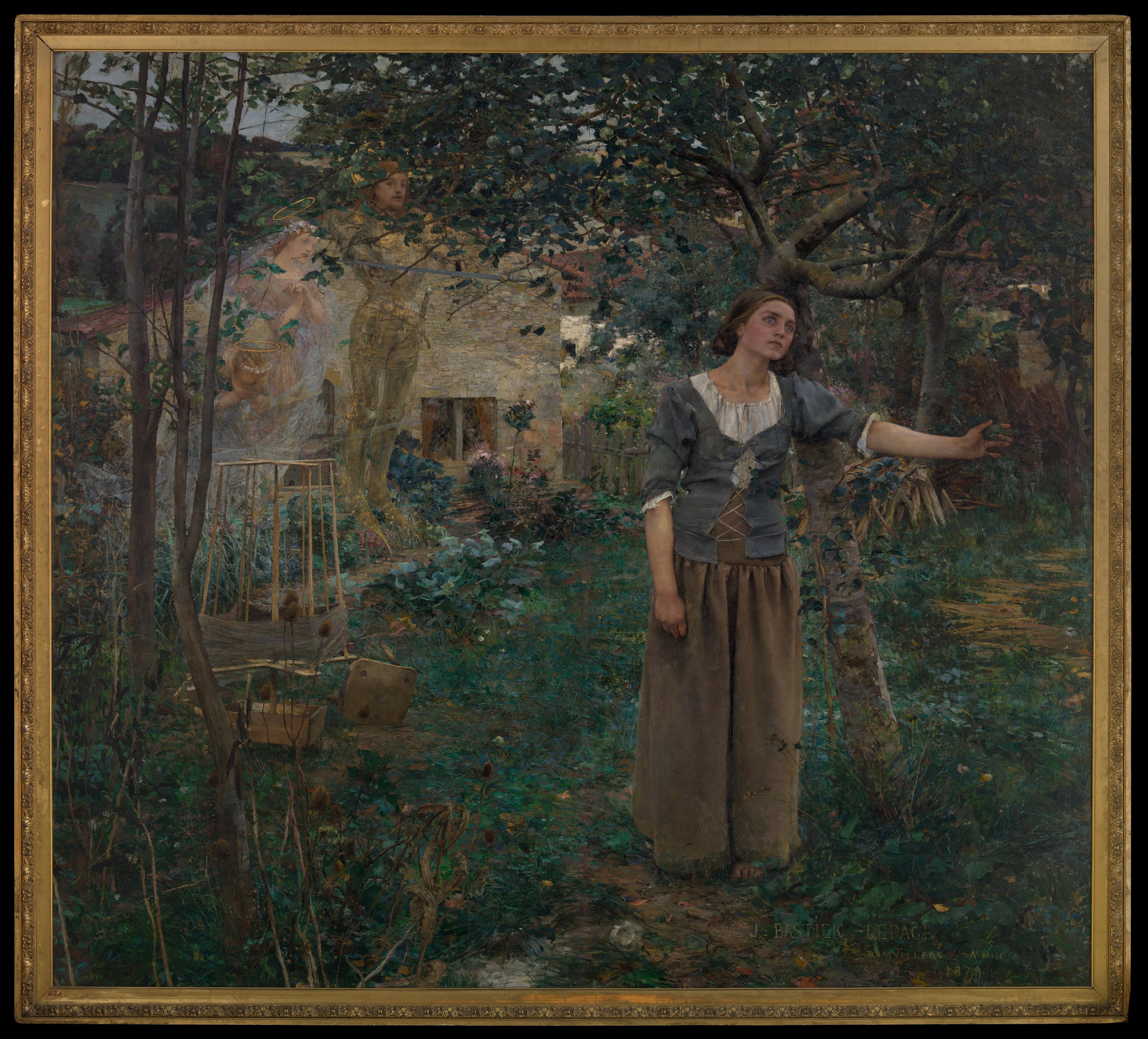
Jules Bastien-Lepage
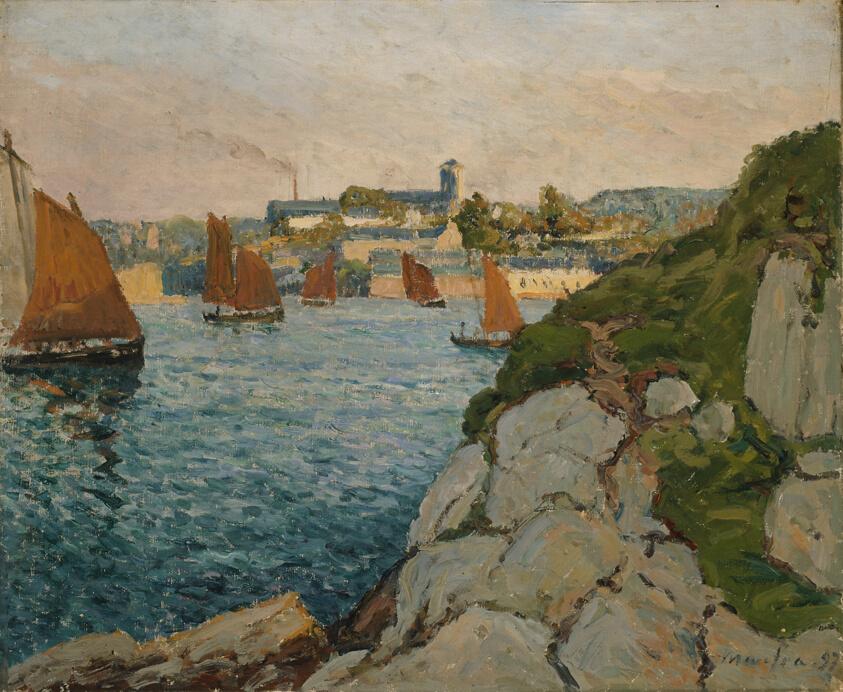
Maxime Maufra
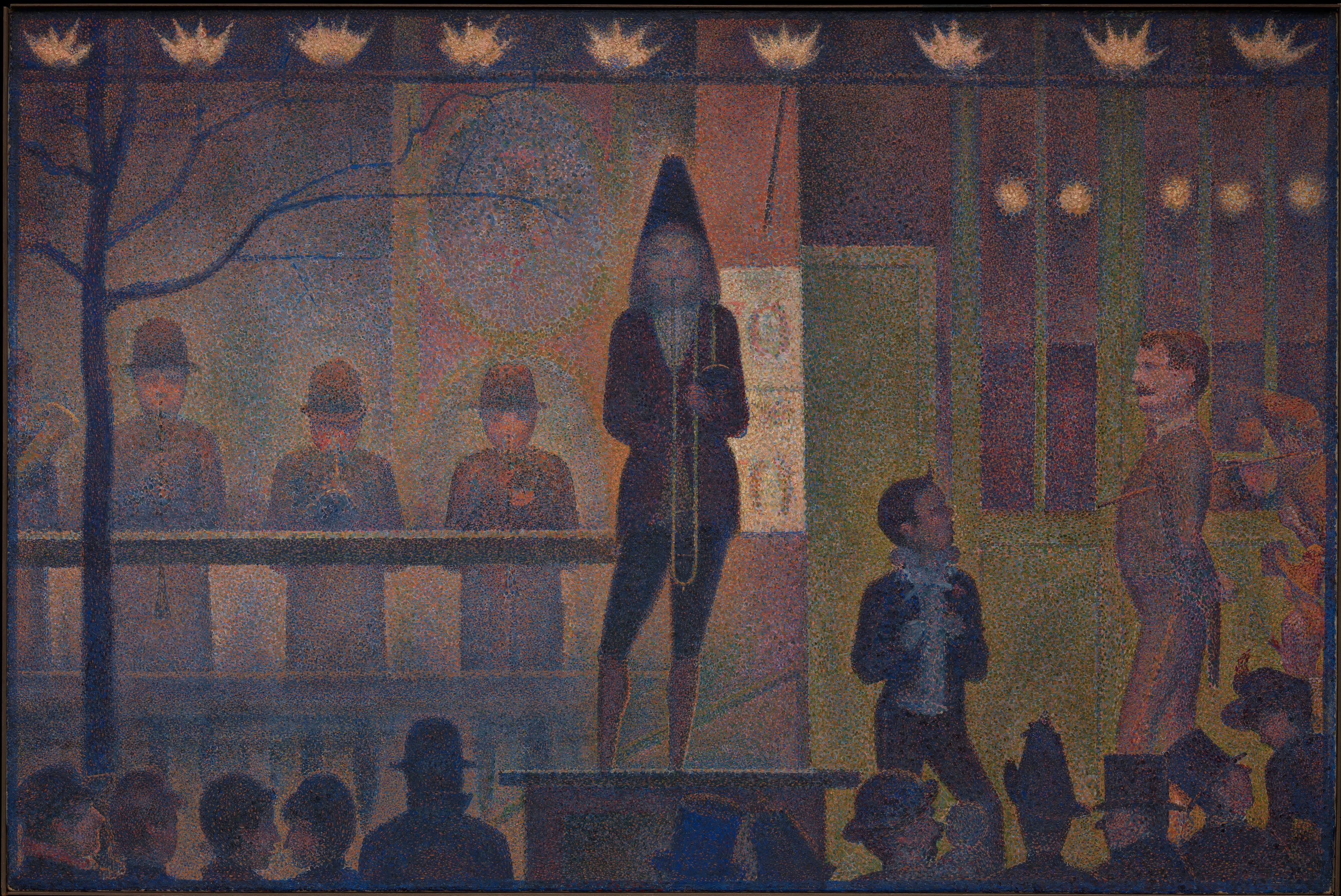
Georges Seurat
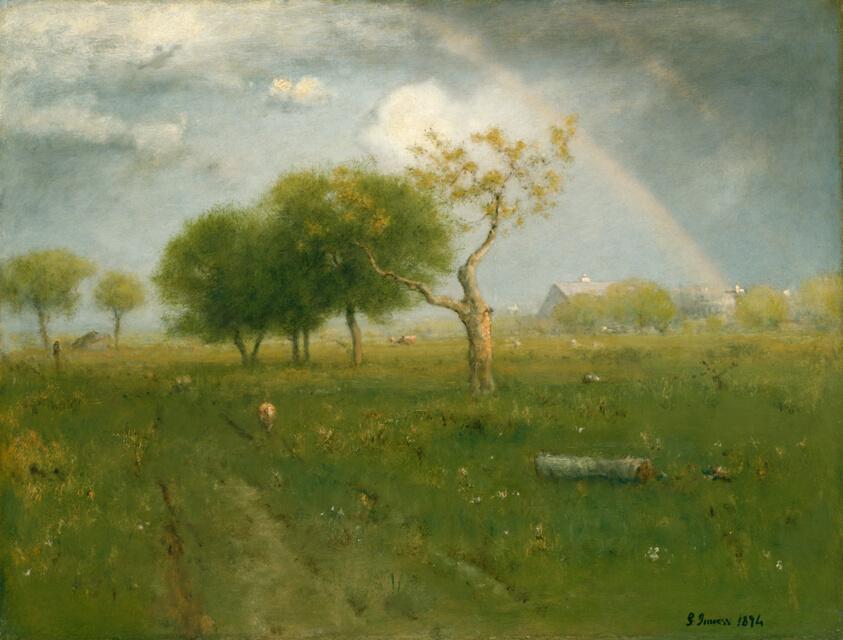
George Inness
Charles Gifford Dyer
Mary Cassatt