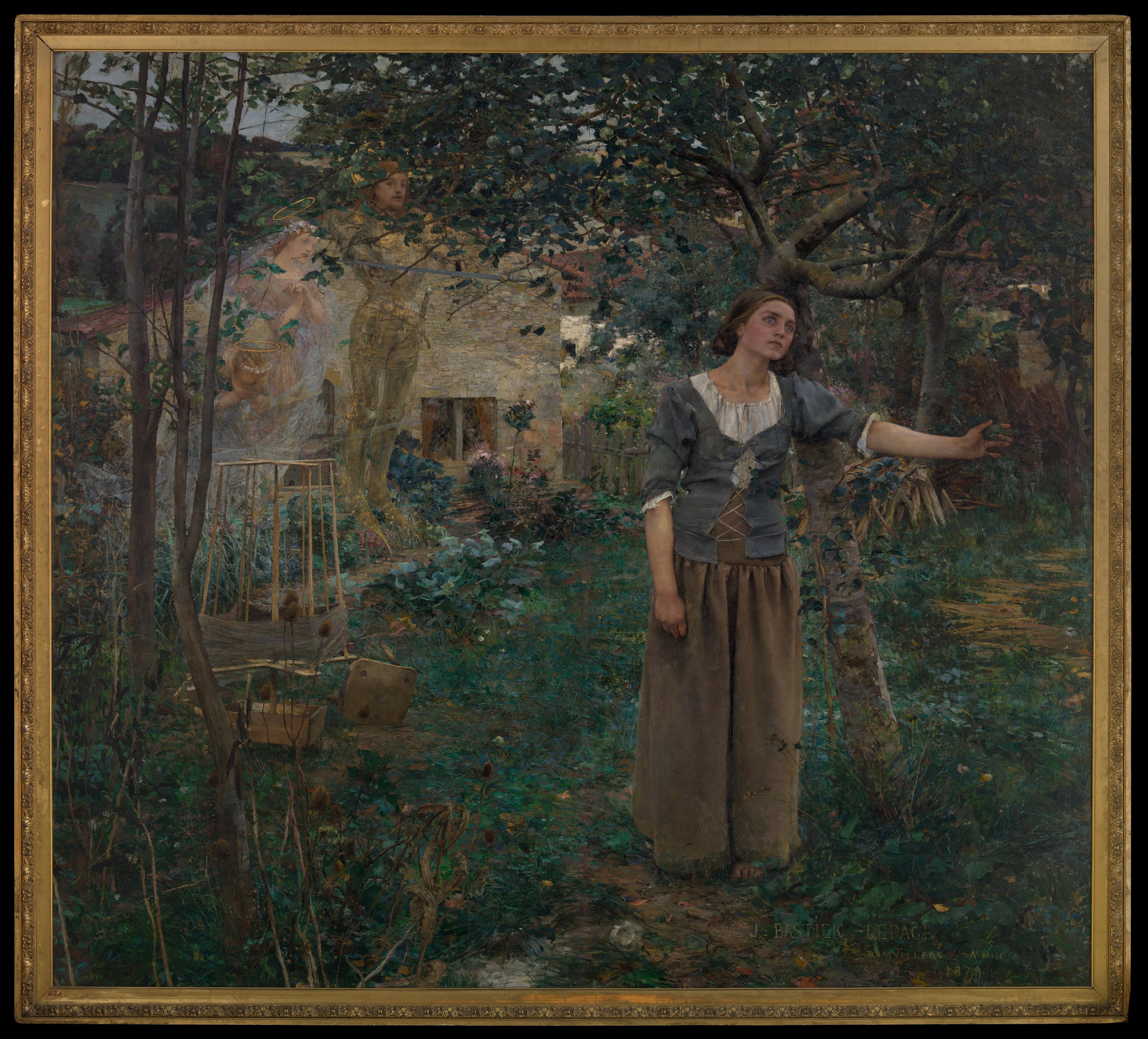
Joan of Arc
Jules Bastien-Lepage
1534 likes24 comments
Paintale uses cookies for essential site functionality and, where enabled, to serve relevant advertising via Google AdSense. You can accept all cookies or reject non-essential ones. See our Privacy Policy for details.
Now viewing
Seventeenth-Century Interior
Charles Gifford Dyer
Period
1871-1900
Theme
Daily Life
Medium
Oil on canvas
Current Location
Art Institute of Chicago, Chicago
The Story
Chicagoan Charles Gifford Dyer studied painting in Paris and Munich. The objects depicted here, such as the Chinese blue-and-white vase and Oushak Turkish rug, were likely collected during his extensive travels and represent the tastes of a worldly, wealthy man. The composition recalls 17th-century Dutch still lifes in its focus on surfaces, textures, and illusionism. Similarly, it evokes the fleetingness of life by juxtaposing items that quickly decay, such as fruit and flowers, with the enduring arts of literature and music.
Created in 1877, this work belongs firmly within the daily life tradition of American painting. Charles Gifford Dyer worked at a moment when the young republic was still deciding what its own art should look like — how much to borrow from Europe, how much to invent from its own landscape and daily life. Every gesture, fabric, and gleam of light was pitched at an audience learning to take American subjects seriously.
As Oil on canvas (94 × 71.1 cm (37 × 28 in.)), the work shows the tool marks and layering choices typical of Charles Gifford Dyer's output in this period — decisions about ground, underpainting, and glaze that a photograph can only partly convey.
Look closely and the painting opens up. Objects you might pass over — a folded letter, a half-drawn curtain, the angle of a glance — were placed to be read. Even the everyday is loaded: a basin, a candle, a worn shoe become small monuments to a vanished daily world.
Art Institute of Chicago in Chicago now holds the work, where conservators and historians continue to revisit its condition and attribution. Each generation of scholarship adds a layer to how Charles Gifford Dyer's output from this period is understood.
“A silence so complete it becomes its own witness.”
Chicagoan Charles Gifford Dyer studied painting in Paris and Munich. The objects depicted here, such as the Chinese blue-and-white vase and Oushak Turkish rug, were likely collected during his extensive travels and represent the tastes of a worldly, wealthy man. The composition recalls 17th-century Dutch still lifes in its focus on surfaces, textures, and illusionism. Similarly, it evokes the fleetingness of life by juxtaposing items that quickly decay, such as fruit and flowers, with the enduring arts of literature and music.
Gift of the Estate of Henry W. King
Inscriptions: Signed, l.l.: "CHARLES G. DYER: MUNICH 1877.".
Art Institute of Chicago, Chicago. View on the museum’s official page.
See more works at Art Institute of Chicago or browse the full Charles Gifford Dyer collection.
A restrained palette and sculptural lighting create a solemn geometry. The wooden crate and letter anchor the narrative with journalistic precision.
Sources
Keep Exploring
More paintings like this
Jules Bastien-Lepage
Maxime Maufra
Georges Seurat
George Inness
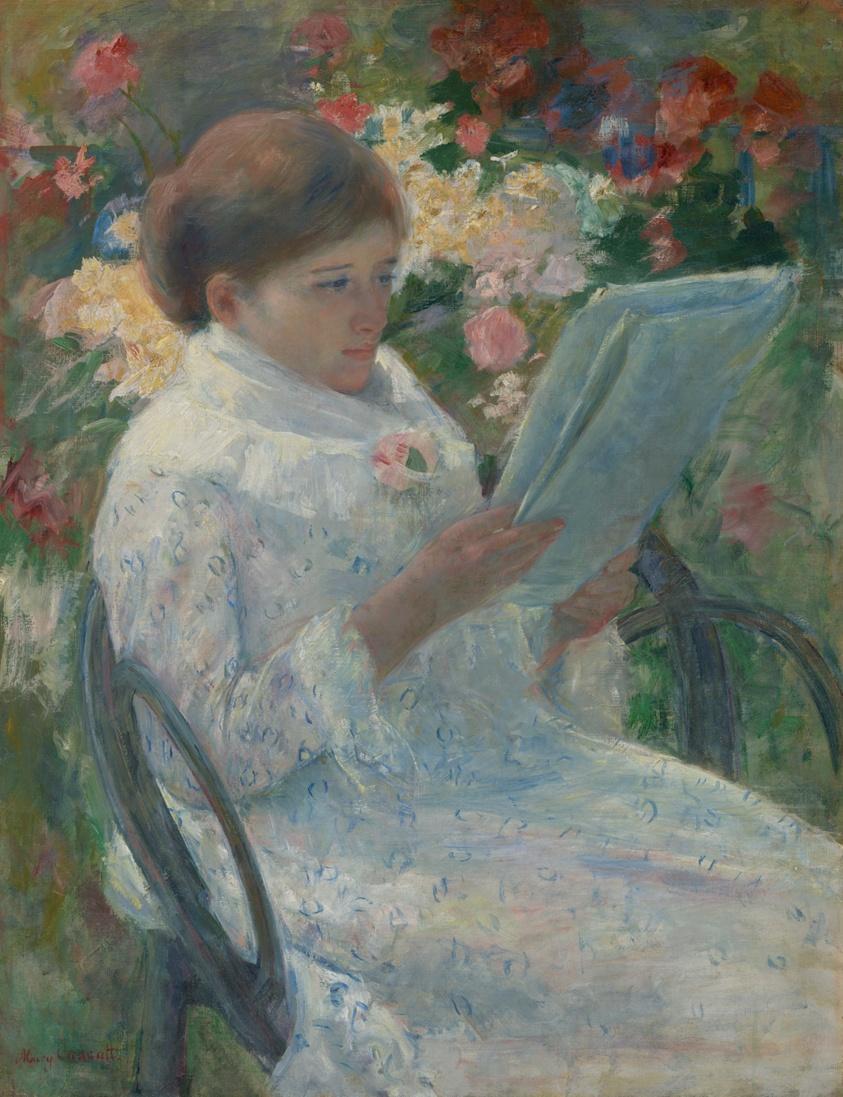
Mary Cassatt
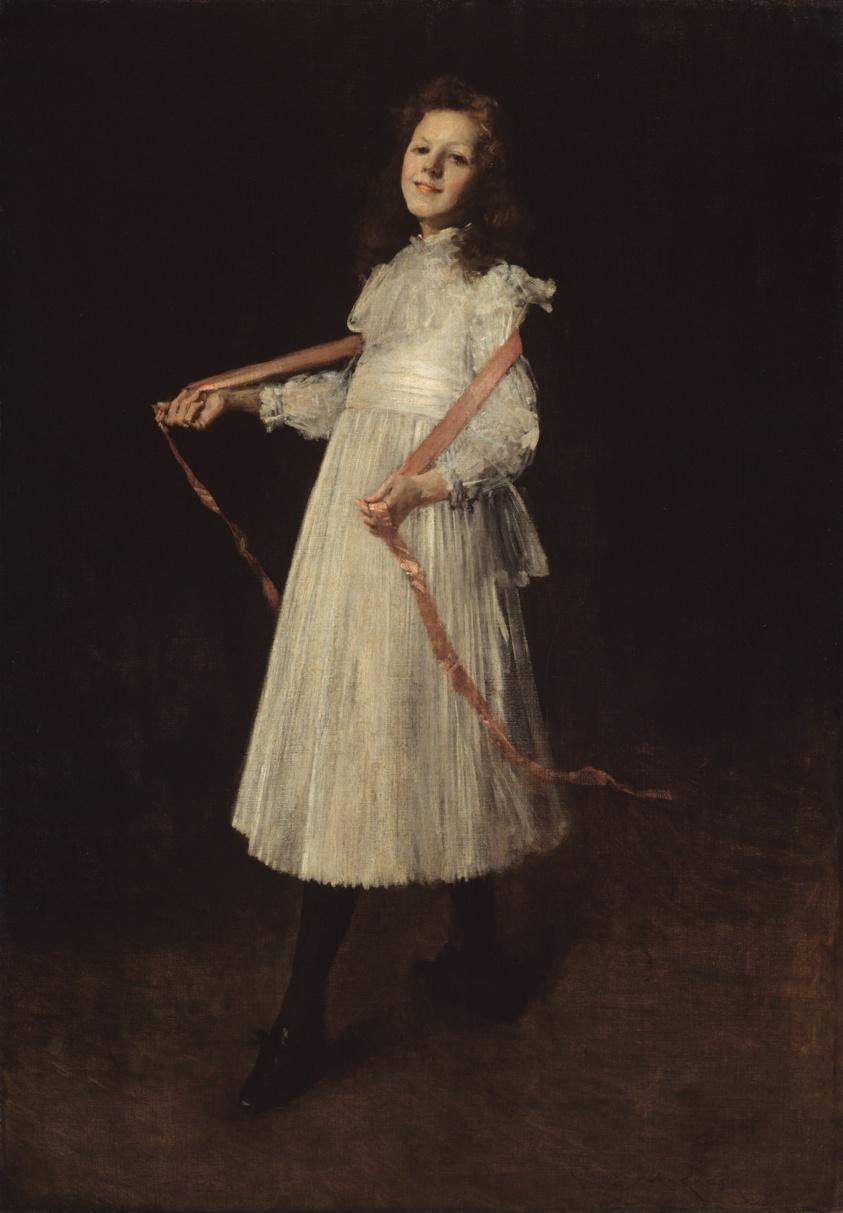
William Merritt Chase
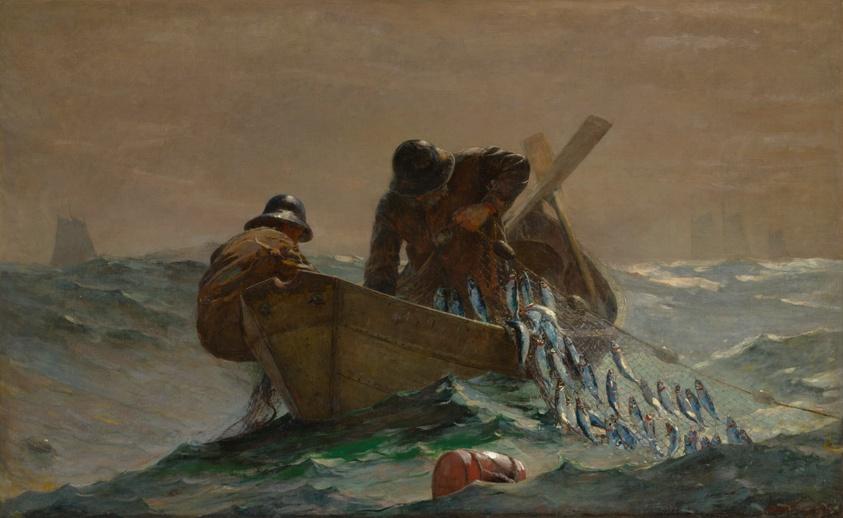
Winslow Homer
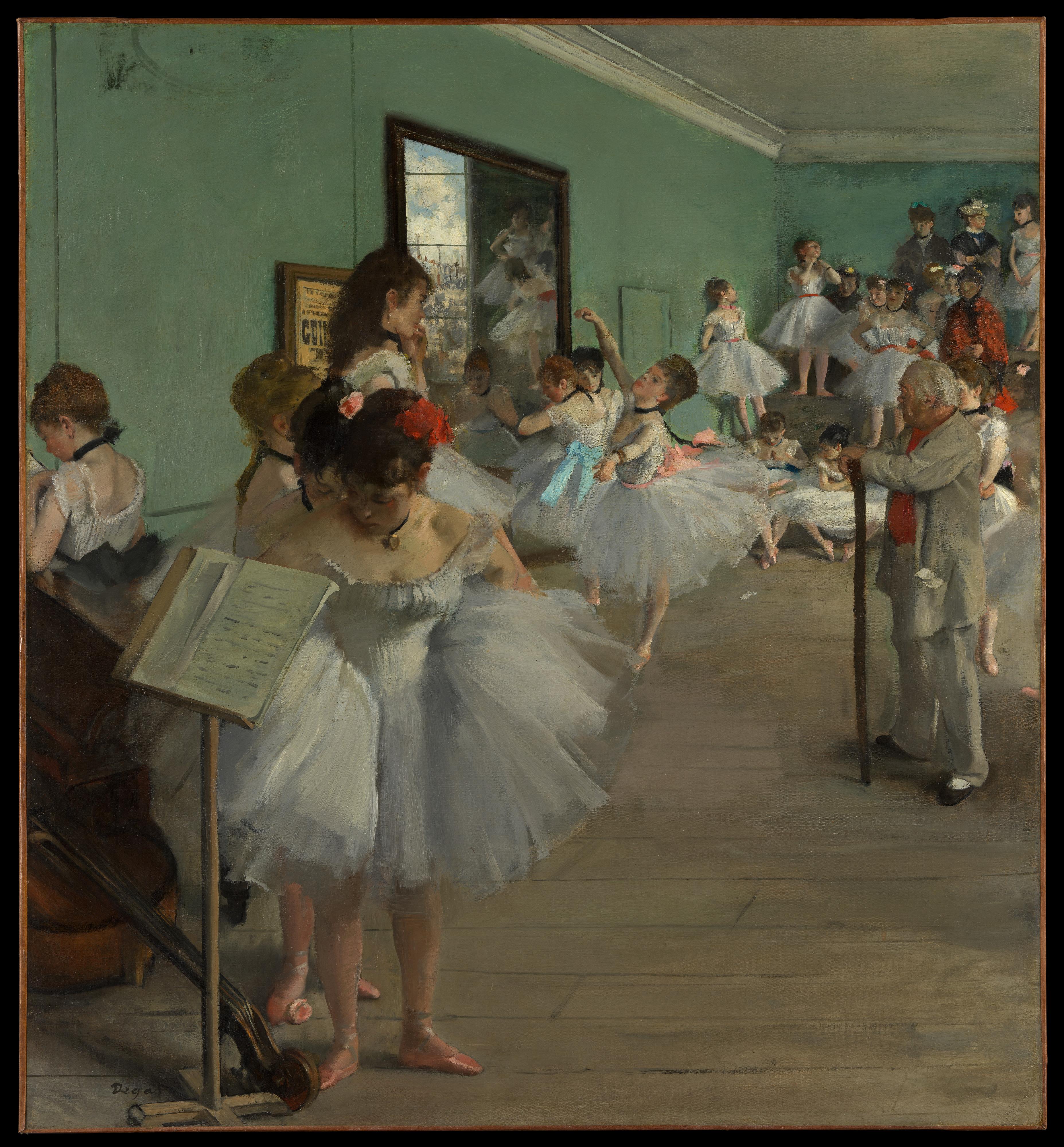
Edgar Degas