Titian vs. Rubens: A Renaissance Master and His Baroque Heir
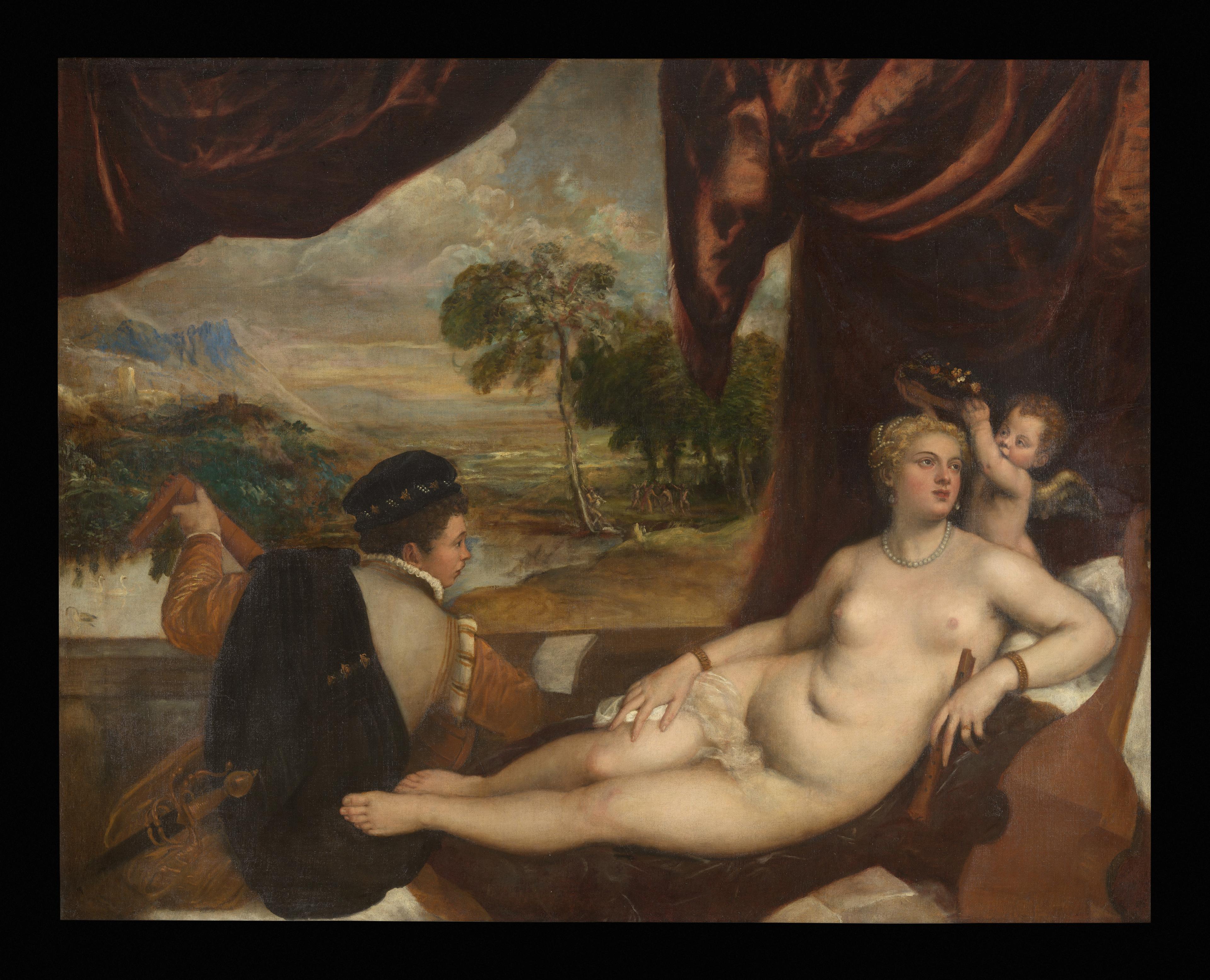
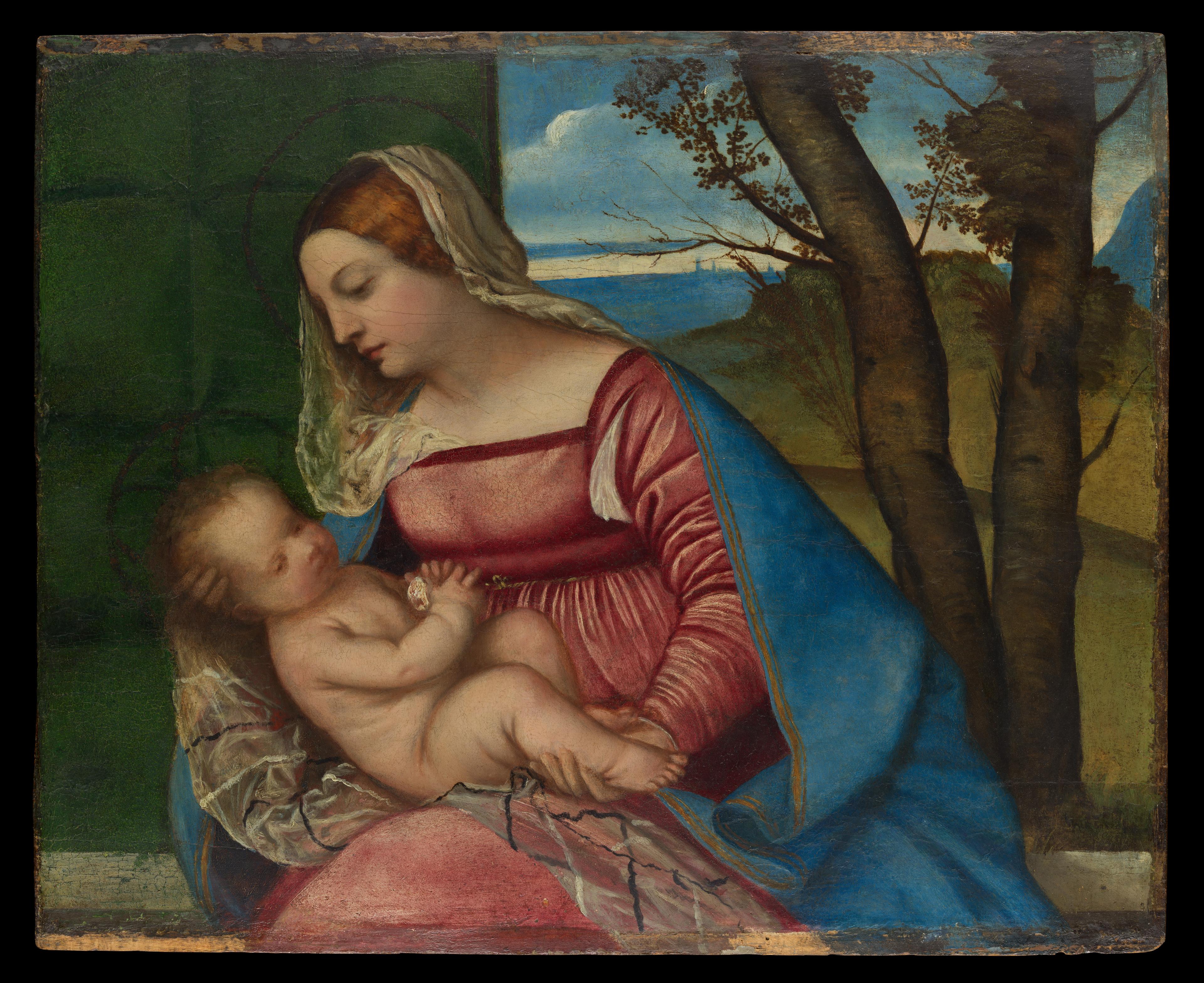
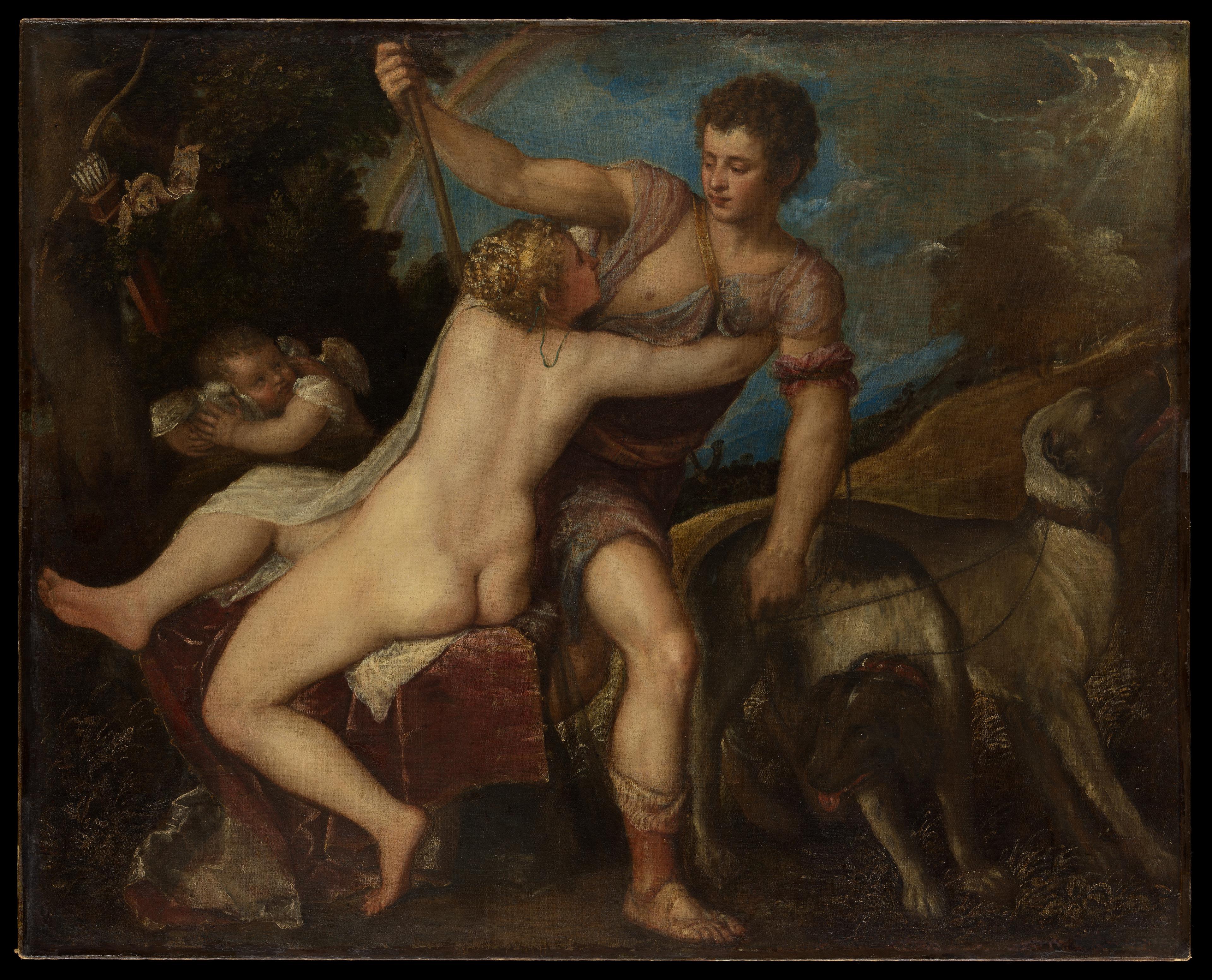
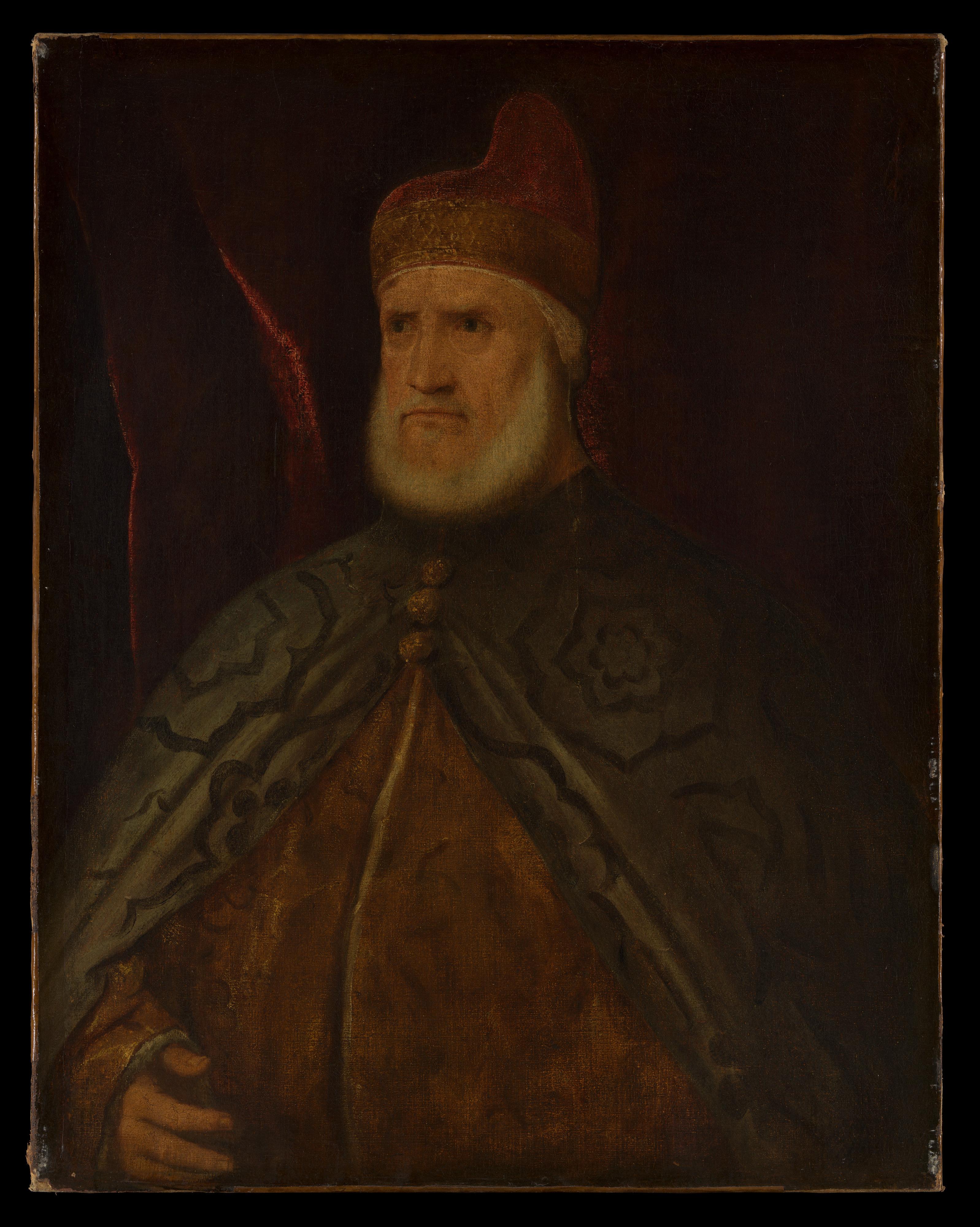
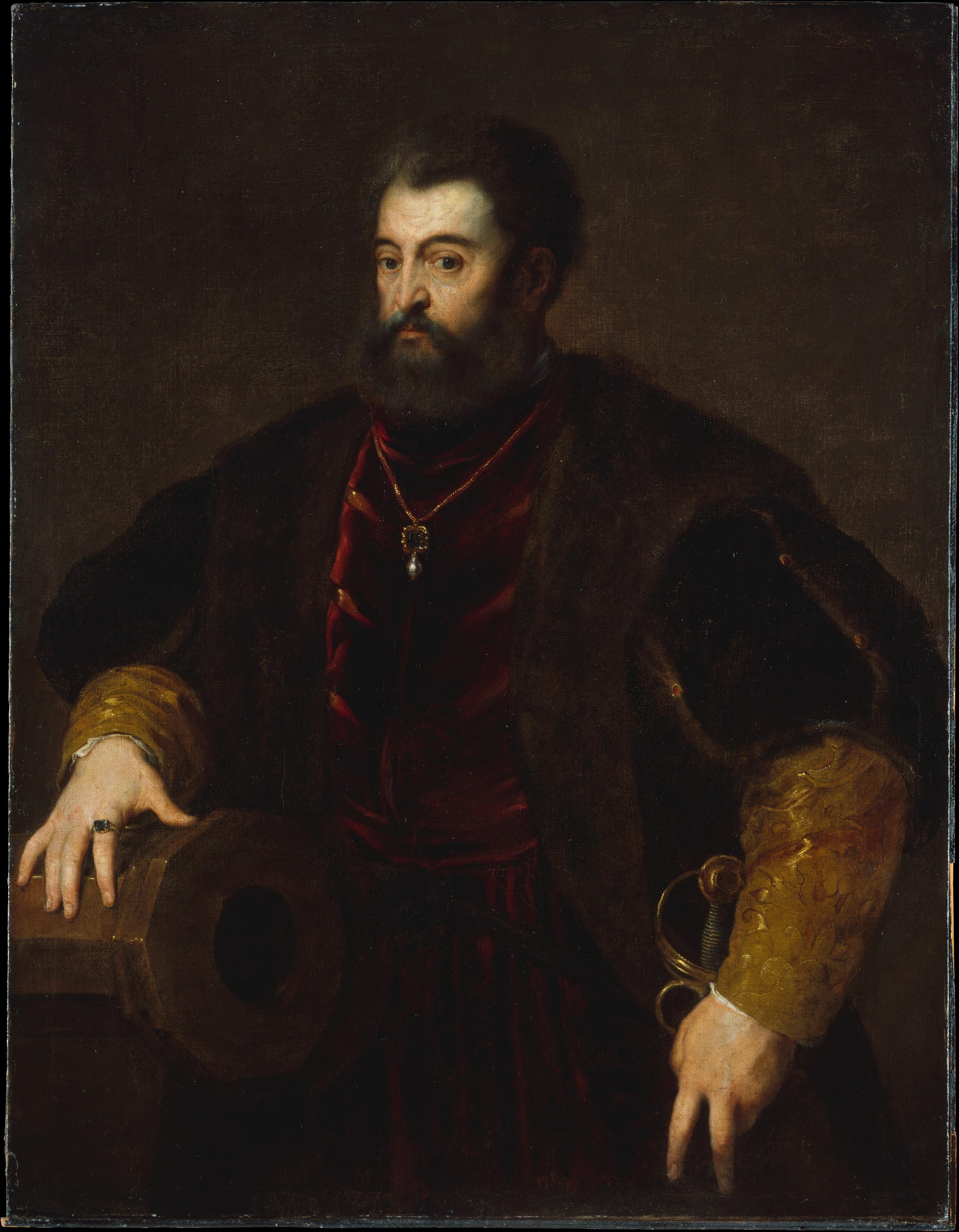
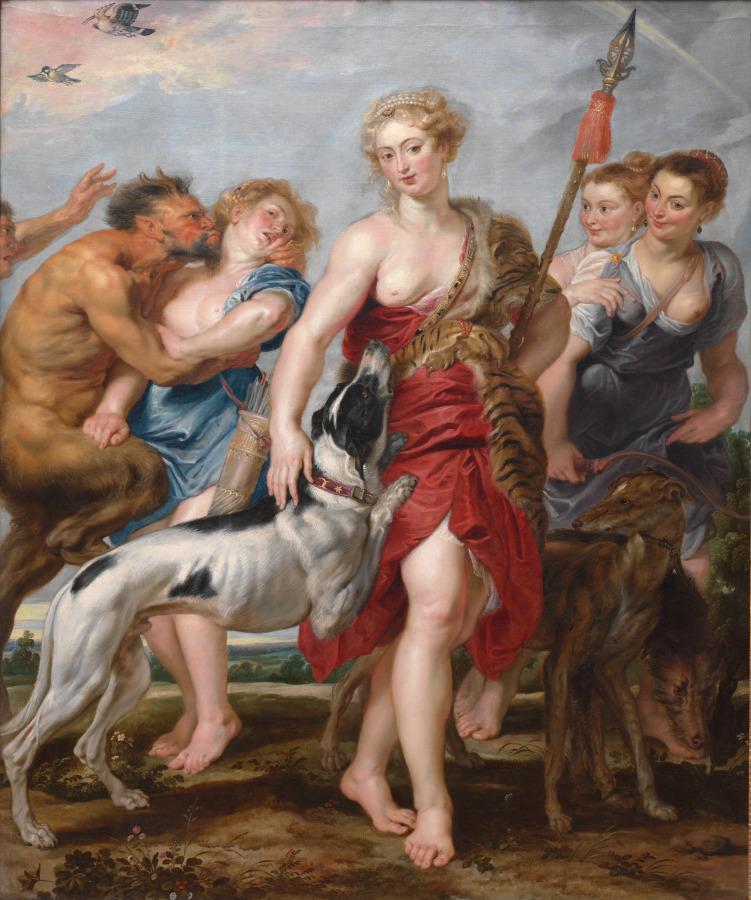
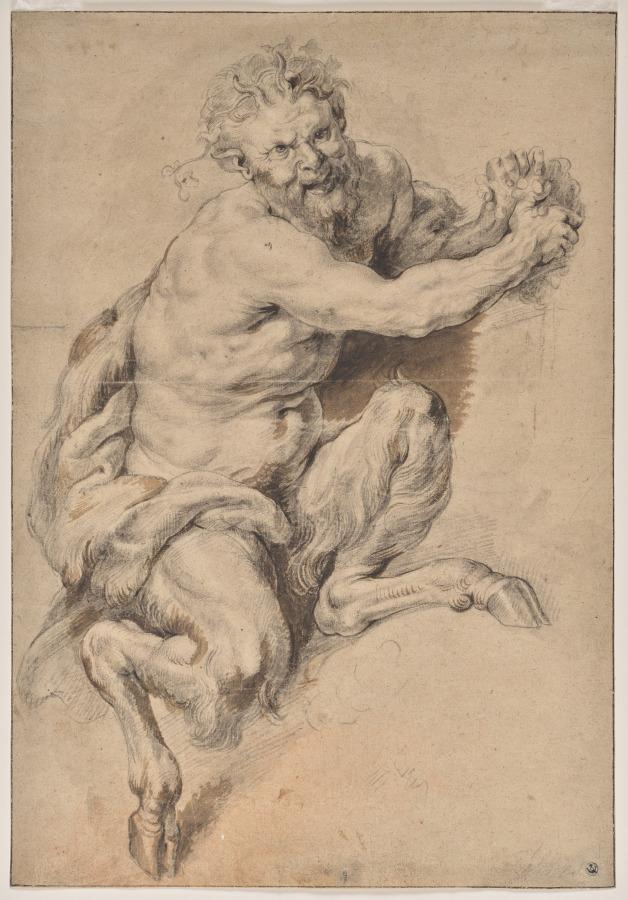
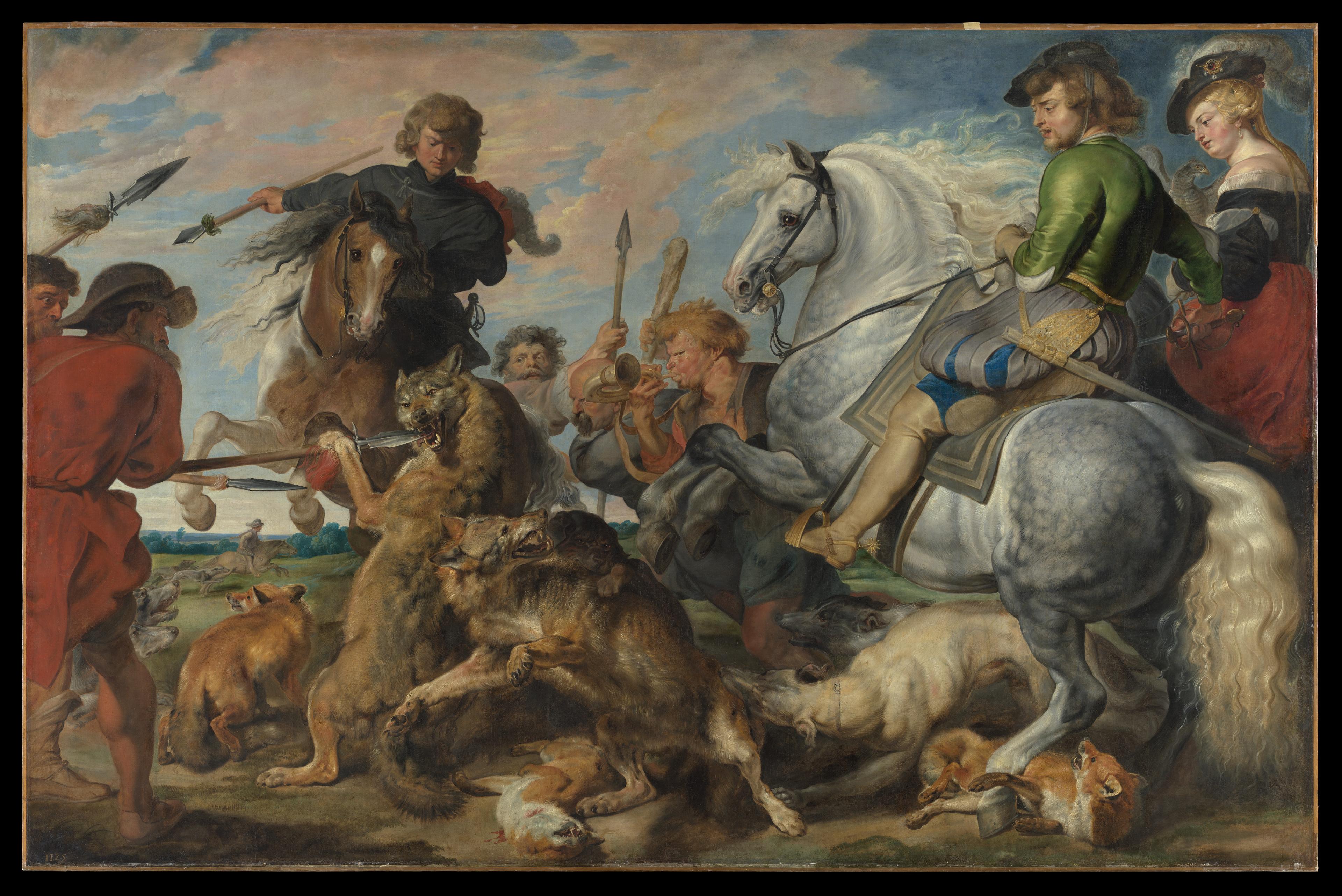
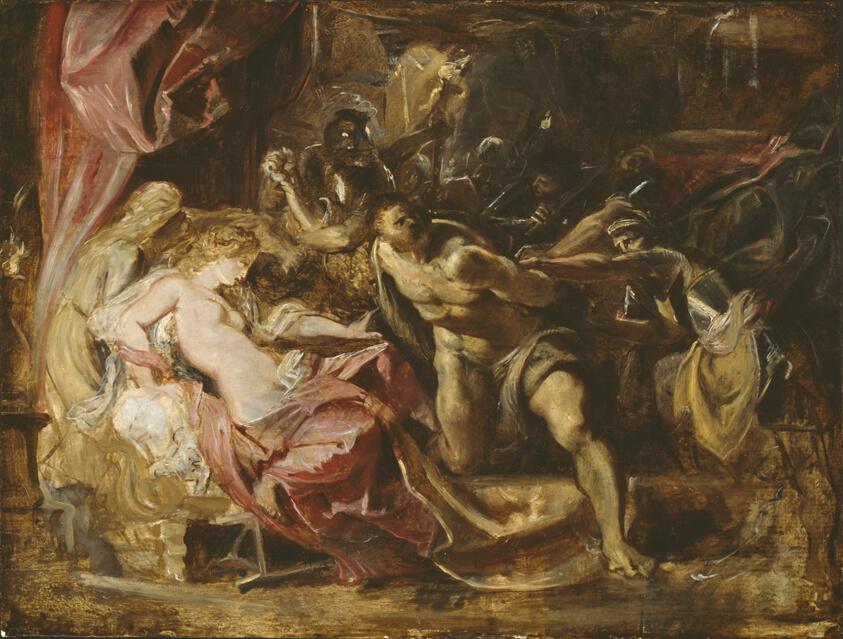
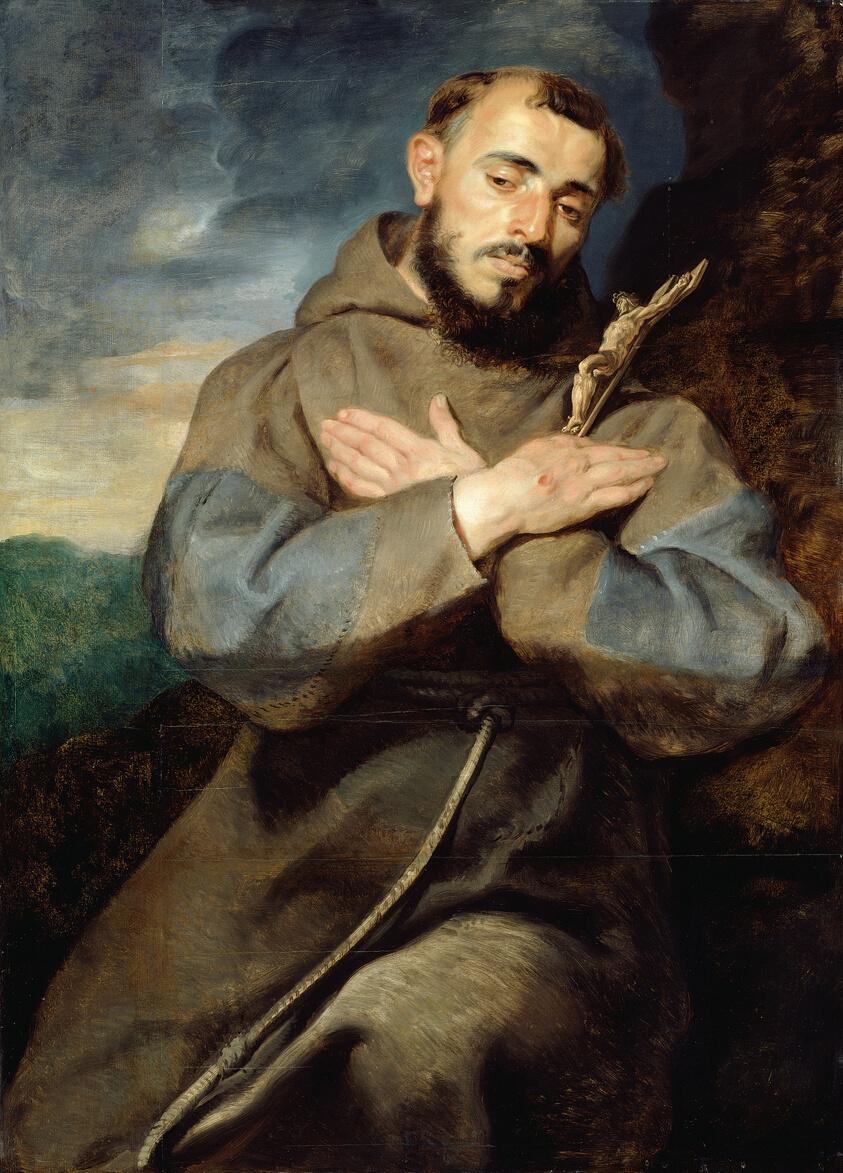
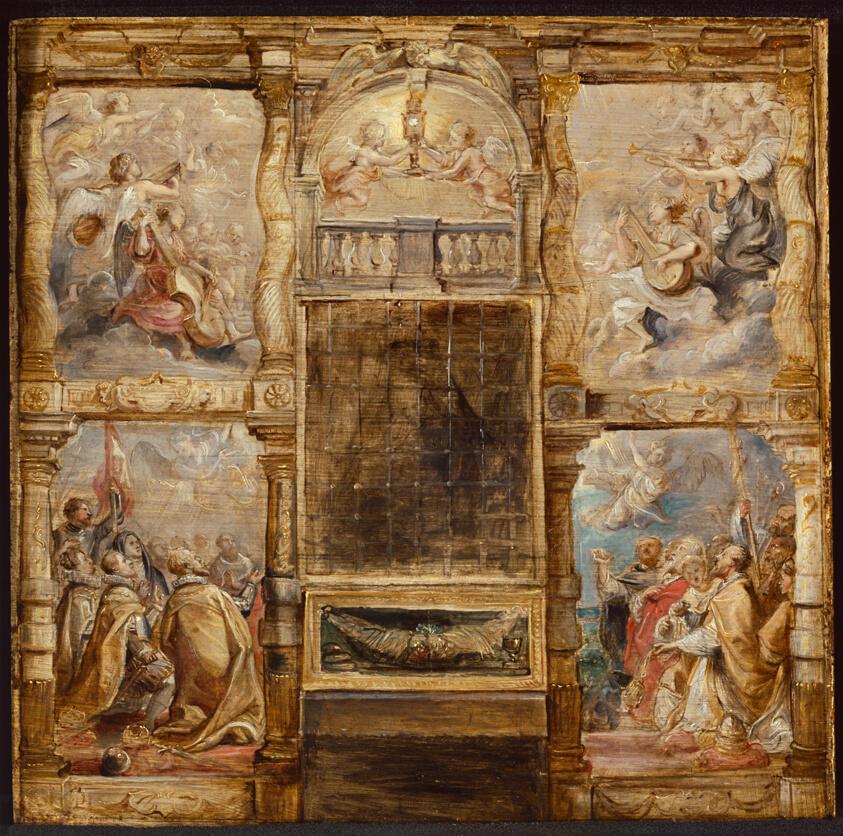
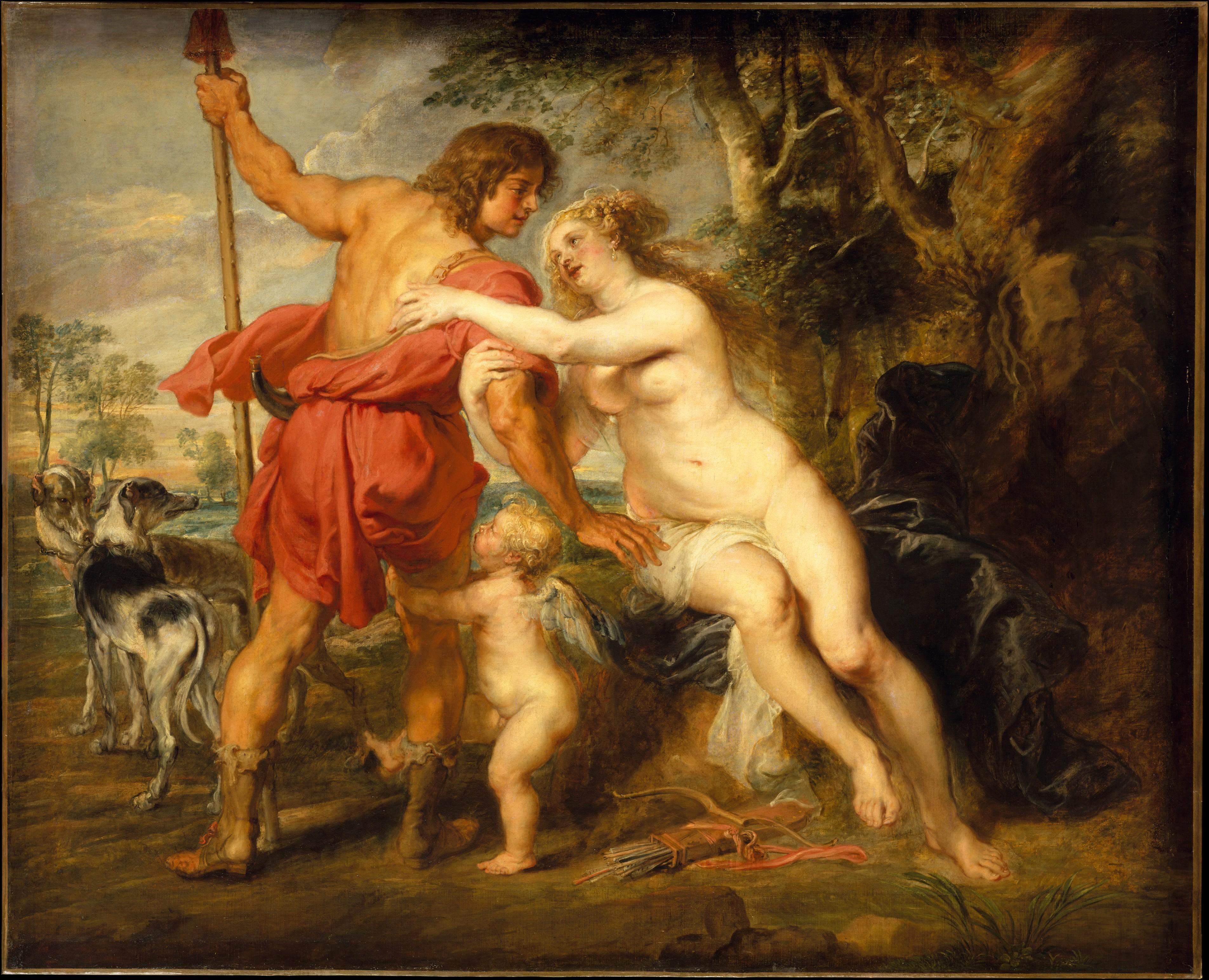
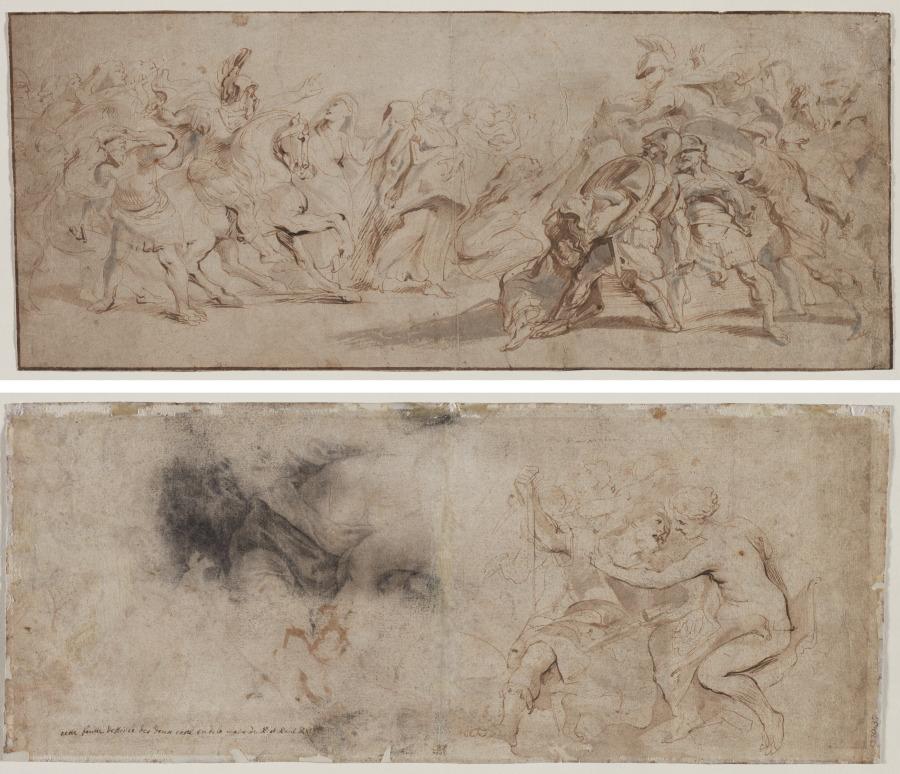
Titian died in 1576; Peter Paul Rubens was born in 1577. They never met, and yet Rubens is arguably Titian's most important artistic descendant — he traveled to Spain specifically to copy Titian's paintings in the royal collection, and spent much of his career absorbing and extending the older master's approach to color and paint handling. Comparing them side by side is less a rivalry than a look at direct influence across a century.
| Titian | Peter Paul Rubens | |
|---|---|---|
| Active period | 1500s–1576 (Venetian Renaissance) | 1598–1640 (Flemish Baroque) |
| Signature contribution | Colorito — building form through color rather than line | Extended colorito into dynamic, muscular Baroque composition |
| Relationship to the other | Died before Rubens was born | Traveled to Spain to study and copy Titian's paintings directly |
| Brushwork | Increasingly loose and visible in late work | Fluid, confident, built for large workshop output |
| Typical patron | Venetian state, Italian courts, Spanish crown | Catholic Church, royal courts across Europe |
The verdict
Titian essentially invented the idea that color itself — not just drawing — could carry the emotional weight of a painting, especially in his late, almost impressionistic canvases. Rubens took that lesson as a direct technical inheritance: his most Titian-influenced works copy compositions outright, while his mature style extends Titian's loose, color-driven brushwork into the physically dynamic, high-energy compositions that define the Baroque.