Rembrandt vs. Rubens: Two Faces of the Baroque
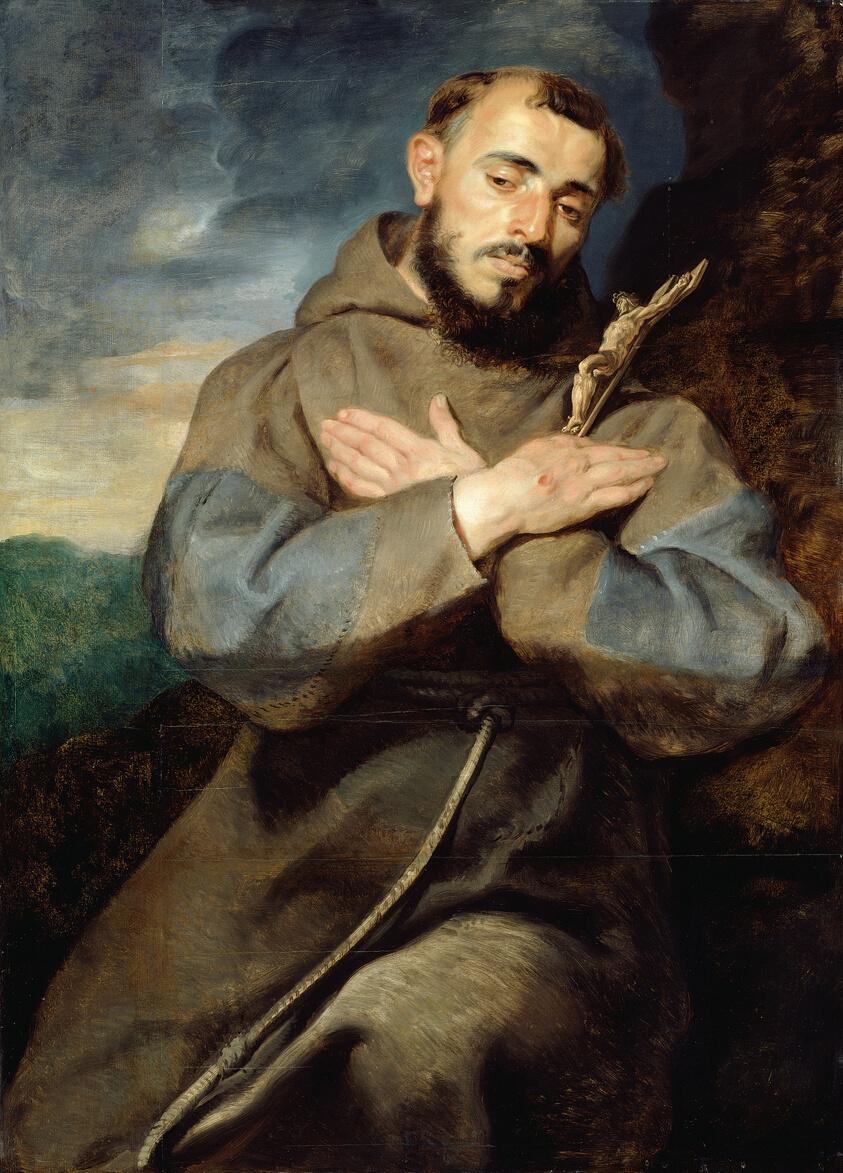
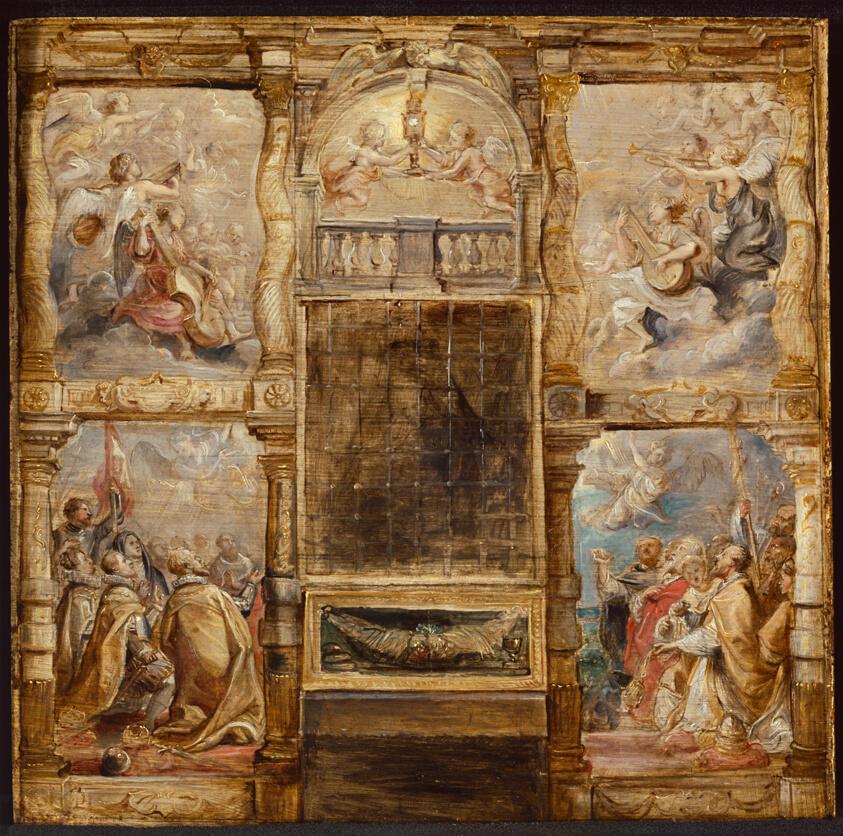
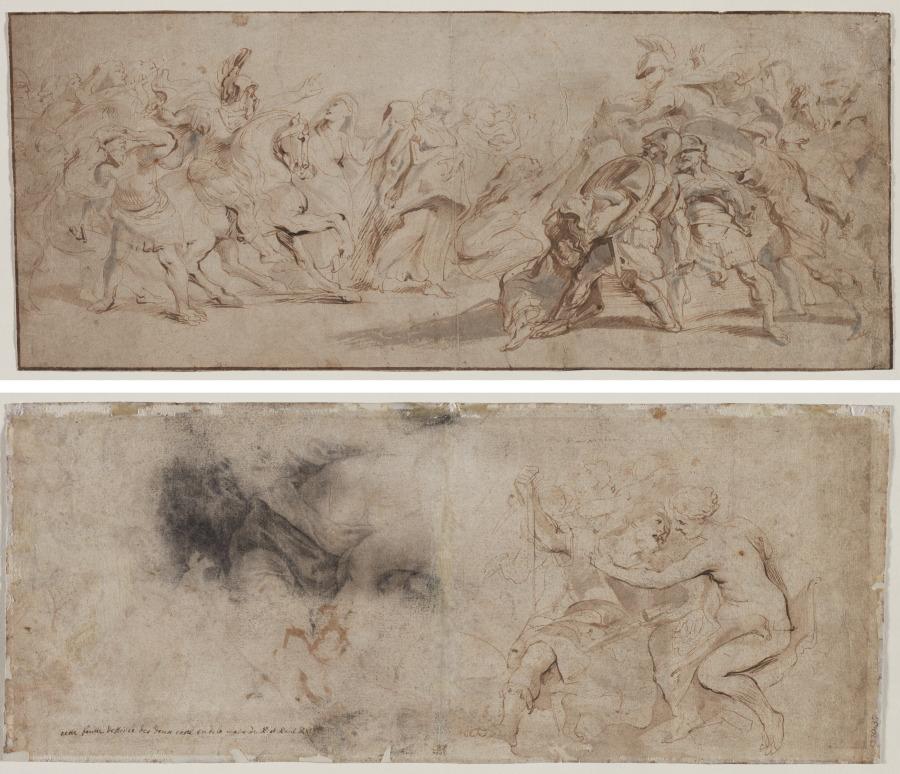
Rembrandt van Rijn and Peter Paul Rubens were contemporaries — Rubens the elder by nearly three decades — working on opposite sides of a border that had just split the Netherlands in two: Rubens in Catholic, Spanish-ruled Antwerp, Rembrandt in the newly independent, Protestant Dutch Republic. That political and religious split shows up directly in their painting, making them one of the clearest side-by-side illustrations of how the same century produced two entirely different visions of Baroque art.
| Rembrandt van Rijn | Peter Paul Rubens | |
|---|---|---|
| Nationality & school | Dutch (Dutch Golden Age) | Flemish (Flemish Baroque) |
| Typical patron | Wealthy merchants, civic guilds | The Catholic Church, royal courts |
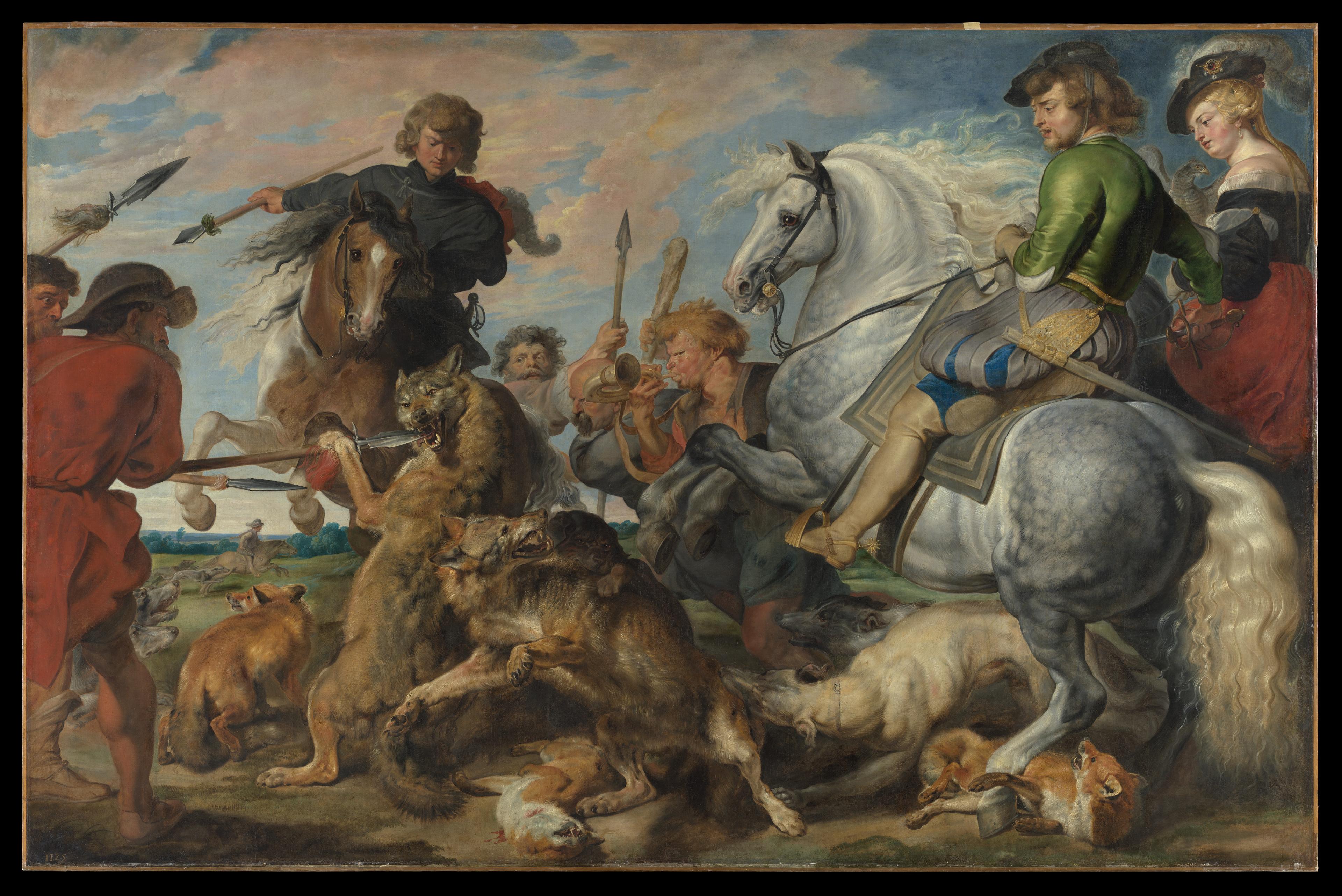
| Scale | Mostly intimate, human-scaled | Often monumental, ceiling- and altar-sized |
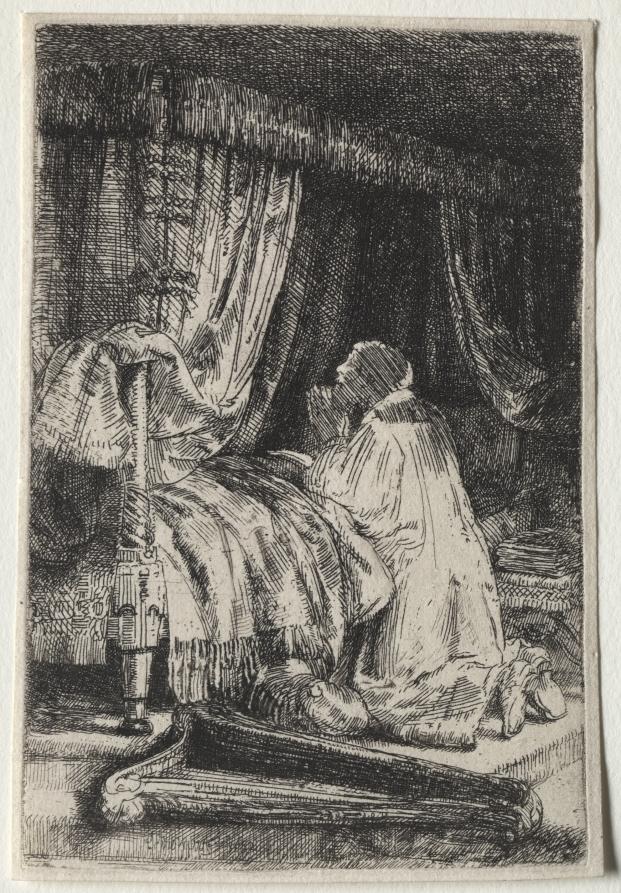
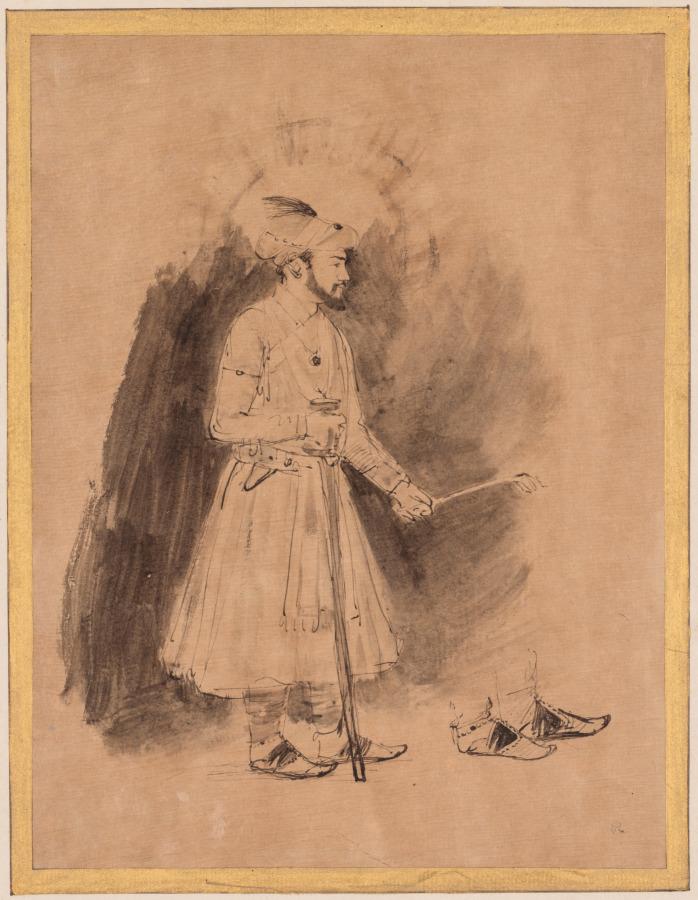
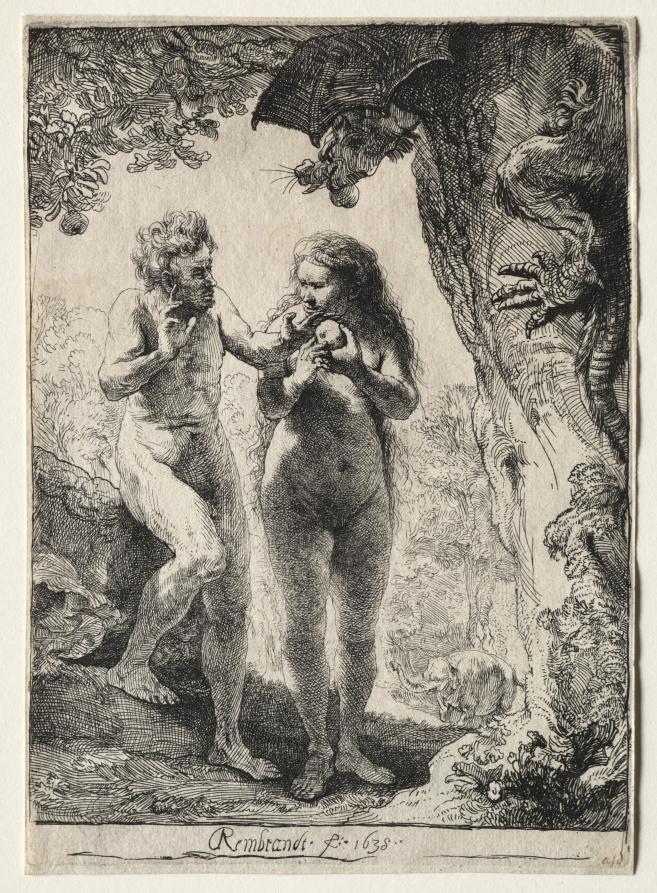
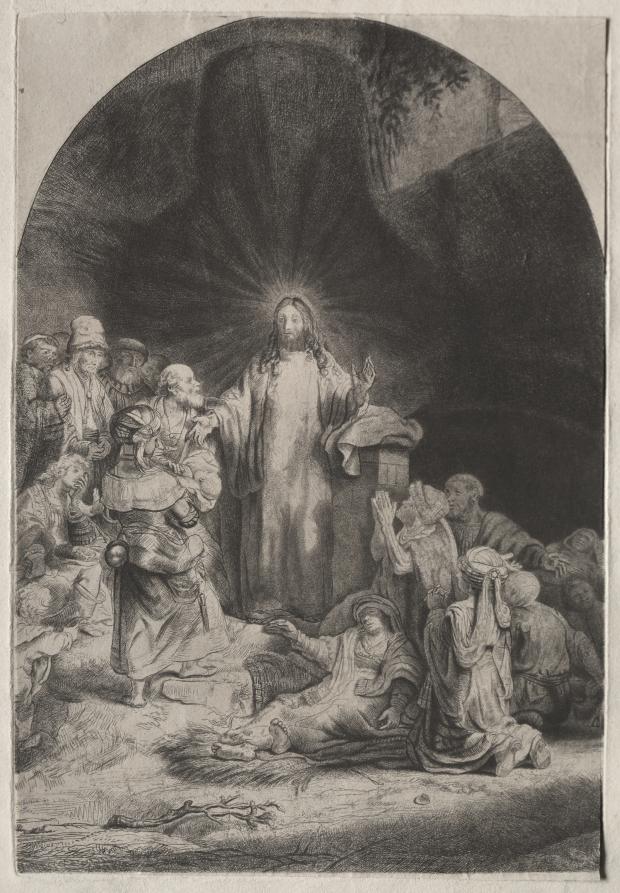
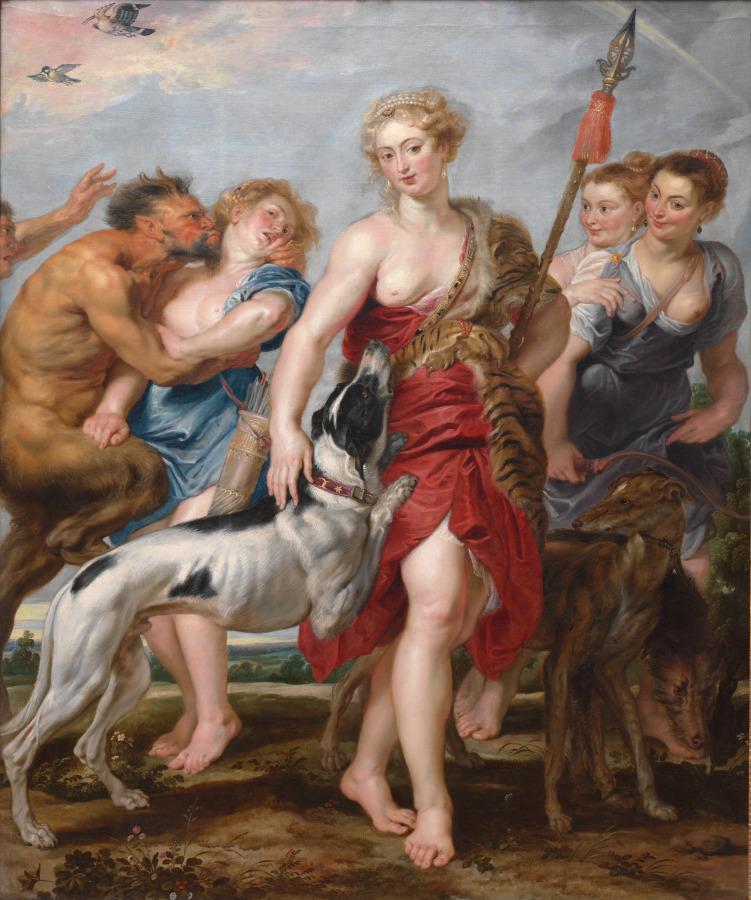
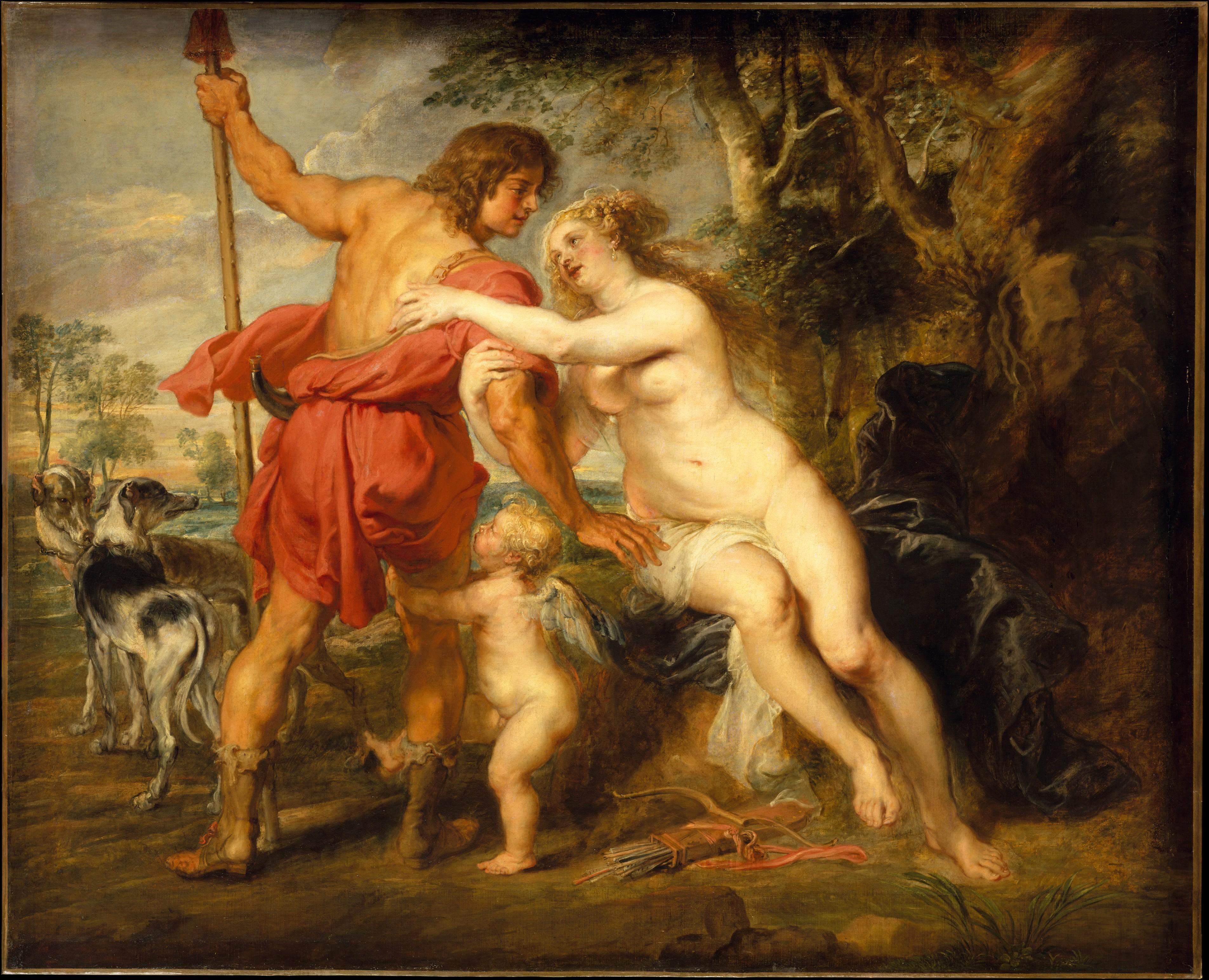
| Light | Deep, selective chiaroscuro on a dark ground | Bright, saturated color across the whole canvas |
| Subject matter | Portraits, biblical scenes, self-portraits | Mythology, religious drama, court portraiture |
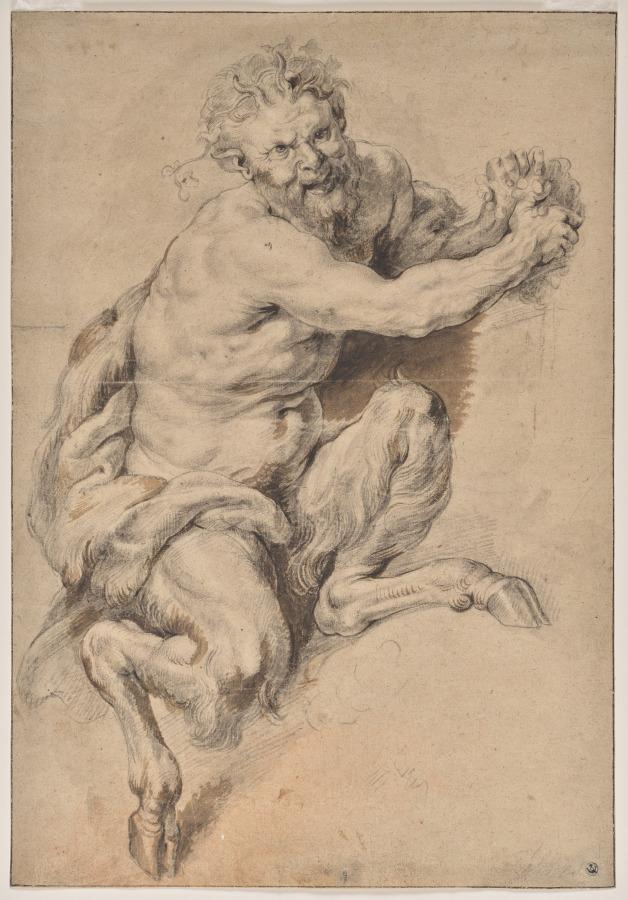
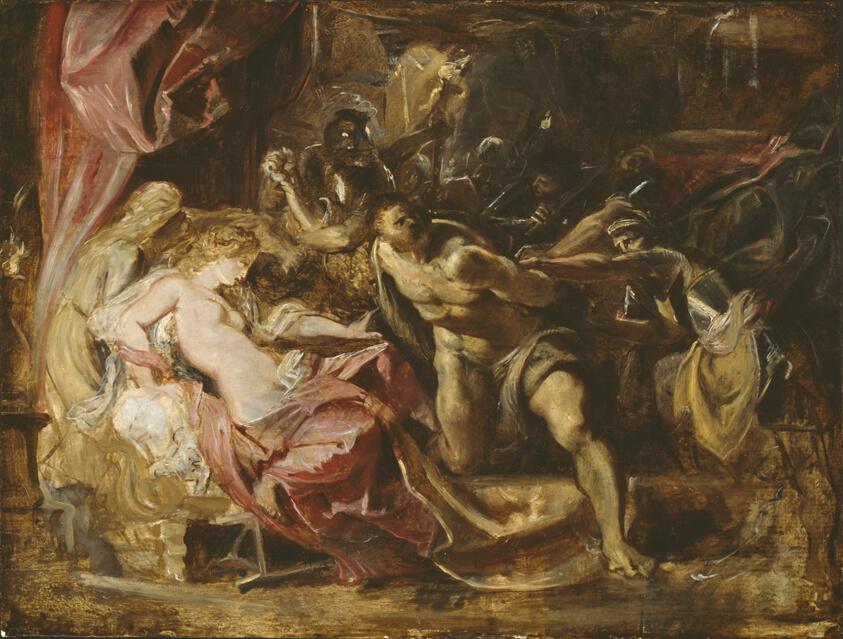
| Brushwork | Thick, visible impasto in late work | Fluid, energetic, built for large workshop production |
The verdict
Neither painter is simply "better" — they were solving different problems. Rembrandt worked mostly alone or with a small studio, painting introspective, psychologically direct pictures for a Protestant merchant class that didn’t want religious drama on its walls. Rubens ran one of the largest painting workshops in European history, producing vast, physically dynamic canvases for the Counter-Reformation Church and the courts of Europe. Rembrandt’s reputation rests on depth of interiority; Rubens’s rests on sheer physical and coloristic bravura.