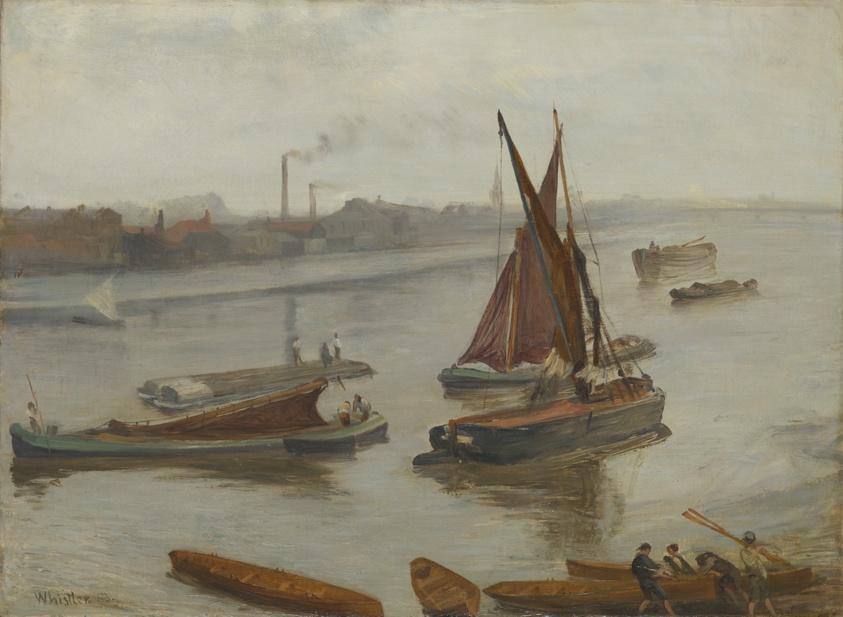
Grey and Silver: Old Battersea Reach
James McNeill Whistler
555 likes105 comments
Paintale uses cookies for essential site functionality and, where enabled, to serve relevant advertising via Google AdSense. You can accept all cookies or reject non-essential ones. See our Privacy Policy for details.
Now viewing
View of Cotopaxi
Frederic Edwin Church
Period
1831-1870
Theme
Power & Politics
Medium
Oil on canvas
Current Location
Art Institute of Chicago, Chicago
The Story
View of Cotopaxi brings together in visual form scientific, religious, political, and cultural ideas in the mid-19th century. Inspired by German naturalist Alexander von Humboldt’s concept of ecological interconnectedness, Frederic Edwin Church traveled to South America to meticulously study the tropical landscape. The artist produced at least ten finished paintings of the Ecuadorian volcano, this one completed in his studio just before his second visit to the region.
For Church and other Christian viewers, nature, with all its creative and destructive wonders, was evidence of divine power. The painting likewise reflected an imperialist vision, as US government officials eyed Latin America as a site for territorial expansion and conquest.
As Oil on canvas (62.2 × 92.7 cm (24 1/2 × 36 1/2 in.)), the work shows the tool marks and layering choices typical of Frederic Edwin Church's output in this period — decisions about ground, underpainting, and glaze that a photograph can only partly convey.
Look closely and the painting opens up. Objects you might pass over — a folded letter, a half-drawn curtain, the angle of a glance — were placed to be read. Scale and setting do political work here, elevating the subject above the room it would have hung in.
Today the painting is held by Art Institute of Chicago in Chicago, where it remains a touchstone for understanding Frederic Edwin Church's contribution to Western art. It has been studied, copied, restored, and argued over for centuries — proof that great paintings keep generating new readings long after their creators have gone.
“A silence so complete it becomes its own witness.”
View of Cotopaxi brings together in visual form scientific, religious, political, and cultural ideas in the mid-19th century. Inspired by German naturalist Alexander von Humboldt’s concept of ecological interconnectedness, Frederic Edwin Church traveled to South America to meticulously study the tropical landscape. The artist produced at least ten finished paintings of the Ecuadorian volcano, this one completed in his studio just before his second visit to the region. For Church and other Christian viewers, nature, with all its creative and destructive wonders, was evidence of divine power. The painting likewise reflected an imperialist vision, as US government officials eyed Latin America as a site for territorial expansion and conquest.
Gift of Jennette Hamlin in memory of Mr. and Mrs. Louis Dana Webster
Technique: oil painting, painting (image making).
Inscriptions: Signed, lower right: "F. E. Church '57".
Walter Wright, Chicago, from 1857 to 1876; by descent to Anne E. Webster, from 1876 to 1894; by descent to Lewis Dana Webster, from 1894 to 1908; by descent to Ida Hamlin Webster, from 1908 to 1912; by descent to Mary Jennette Hamlin, from 1912 to 1919; given to the Art Institute of Chicago, 1919.
Art Institute of Chicago, Chicago. View on the museum’s official page.
See more works at Art Institute of Chicago or browse the full Frederic Edwin Church collection.
A restrained palette and sculptural lighting create a solemn geometry. The wooden crate and letter anchor the narrative with journalistic precision.
Sources
Keep Exploring
More paintings like this
James McNeill Whistler
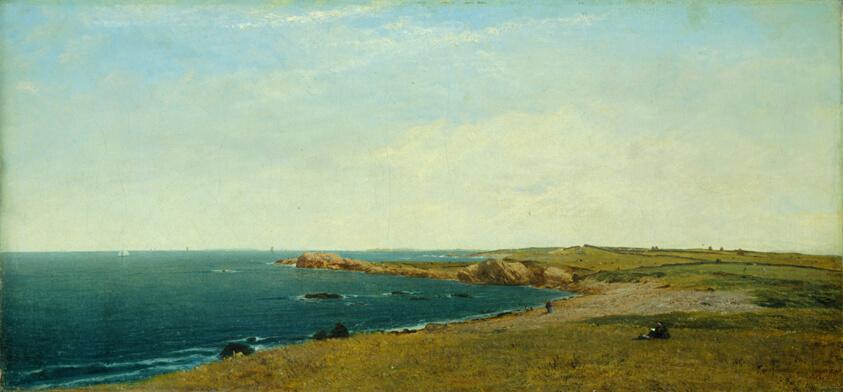
John Frederick Kensett American
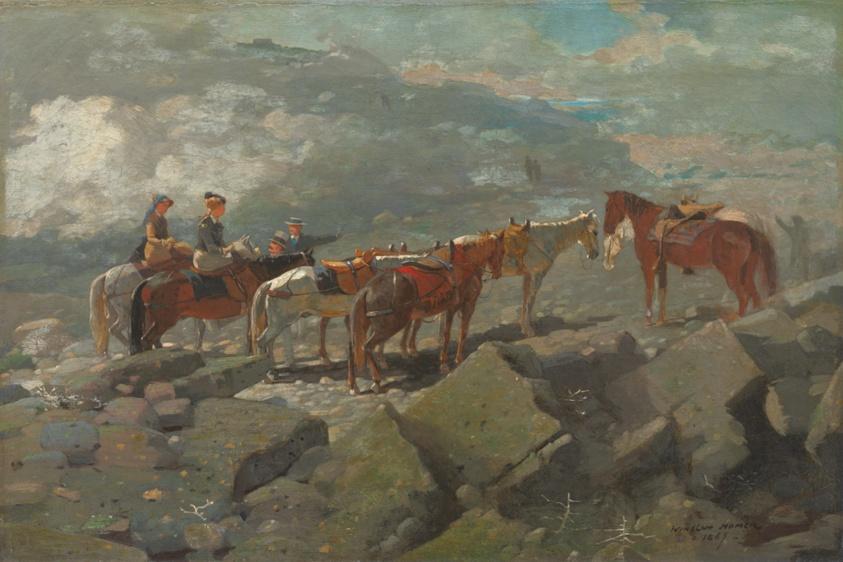
Winslow Homer

William Sidney Mount
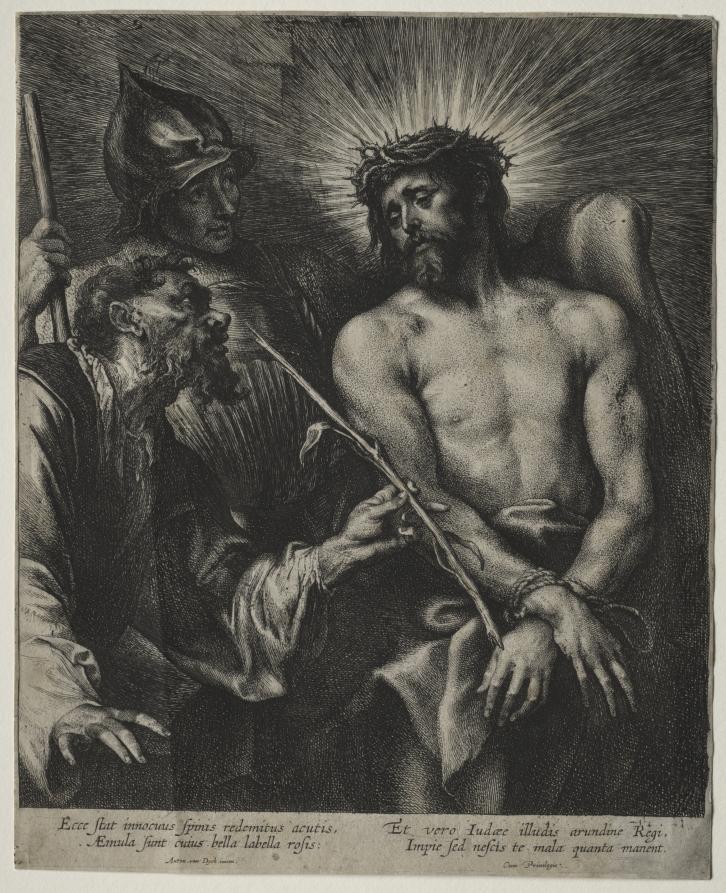
Anthony van Dyck

Leonardo da Vinci

Leonardo da Vinci
Moretto da Brescia