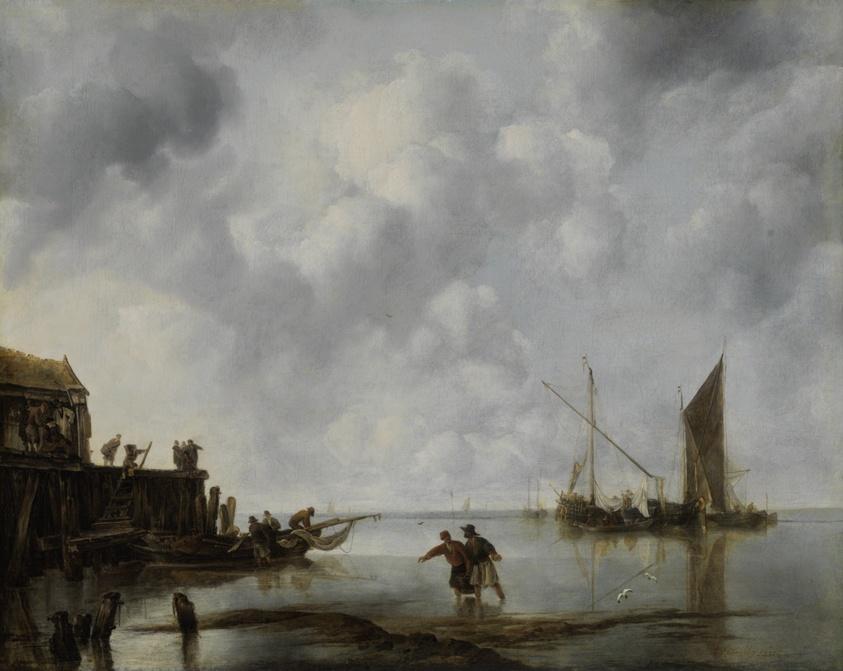
Fishing Boats in a Calm
Jan van de Cappelle
1463 likes33 comments
Paintale uses cookies for essential site functionality and, where enabled, to serve relevant advertising via Google AdSense. You can accept all cookies or reject non-essential ones. See our Privacy Policy for details.
Now viewing
The Music Lesson
Jacob Ochtervelt
Period
1650-1700
Theme
Daily Life
Medium
Oil on canvas
Current Location
Art Institute of Chicago, Chicago
The Story
Jacob Ochtervelt animated this intimate scene with delicate light, which illuminates the young woman and leaves the young man partly in shadow. The artist positioned the figures in angled poses suggesting a playful interaction. The girl holds a violin, an instrument then more often played by men, and points authoritatively to the music score, another reversal of typical gender roles for the period. By upending these conventions, Ochtervelt quietly commented on the rituals of romance in the 17th century.
Created in 1671 during the 1650-1700 period, this work belongs firmly within the daily life tradition. Jacob Ochtervelt worked at a moment when the rivalry between Catholic Baroque drama and Protestant restraint reshaped what a painting could mean. Every gesture, fabric, and gleam of light was decoded by contemporary viewers like a private language.
Executed in Oil on canvas, measuring 80.2 × 65.5 cm (31 × 25 3/16 in.); Framed: 98.4 × 81.6 × 6.4 cm (38 3/4 × 32 1/8 × 2 1/2 in.), the surface rewards close looking. Jacob Ochtervelt builds the composition through layered glazes and a tightly controlled palette, letting cool shadows recede so that the warm, lit passages step forward.
Look closely and the painting opens up. Objects you might pass over — a folded letter, a half-drawn curtain, the angle of a glance — were placed to be read. Scenes like this were prized precisely because they made ordinary labor and leisure worth painting at all.
Today the painting is held by Art Institute of Chicago in Chicago, where it remains a touchstone for understanding Jacob Ochtervelt's contribution to Western art. It has been studied, copied, restored, and argued over for centuries — proof that great paintings keep generating new readings long after their creators have gone.
“A silence so complete it becomes its own witness.”
Jacob Ochtervelt animated this intimate scene with delicate light, which illuminates the young woman and leaves the young man partly in shadow. The artist positioned the figures in angled poses suggesting a playful interaction. The girl holds a violin, an instrument then more often played by men, and points authoritatively to the music score, another reversal of typical gender roles for the period. By upending these conventions, Ochtervelt quietly commented on the rituals of romance in the 17th century.
Mr. and Mrs. Martin A. Ryerson Collection
Technique: oil painting, painting, painting (image making), painting techniques.
Inscriptions: Signed: Jac. Octervelt.
Pieter van Winter, Amsterdam (died 1807) [according to Priem 1997 on the basis of a drawing from the Praetorius Album by Pieter Ernst Hendrik Praetorius in the Six Collection, Amsterdam showing the contents of the van Winter Collection]; by descent to his heirs until the division of his property in 1818, when it was assigned to the portion of his daughter Lucretia Johanna van Winter [according to Priem 1997]. Presumably Prince Anatole Demidoff, Villa San Donato, near Florence (died 1870); by descent to his nephew Prince Paul Demidoff (died 1885) and later to Paul Demidoff’s widow, Helena Troubetskoi, Pratolino, near Florence; purchased by Martin A. Ryerson (died 1932), Chicago, through Durand-Ruel, Paris in 1890 [purchase through Durand-Ruel established by Day Book in Registrar’s Office, Art Institute (entry for October 31, 1890); Bode 1895 indicated that the painting came from Demidoff]; intermittently on loan to the Art Institute from 1911 [according to registrar’s records]; bequeathed to the Art Institute, 1933.
Art Institute of Chicago, Chicago. View on the museum’s official page.
See more works at Art Institute of Chicago or browse the full Jacob Ochtervelt collection.
A restrained palette and sculptural lighting create a solemn geometry. The wooden crate and letter anchor the narrative with journalistic precision.
Sources
Keep Exploring
More paintings like this
Jan van de Cappelle
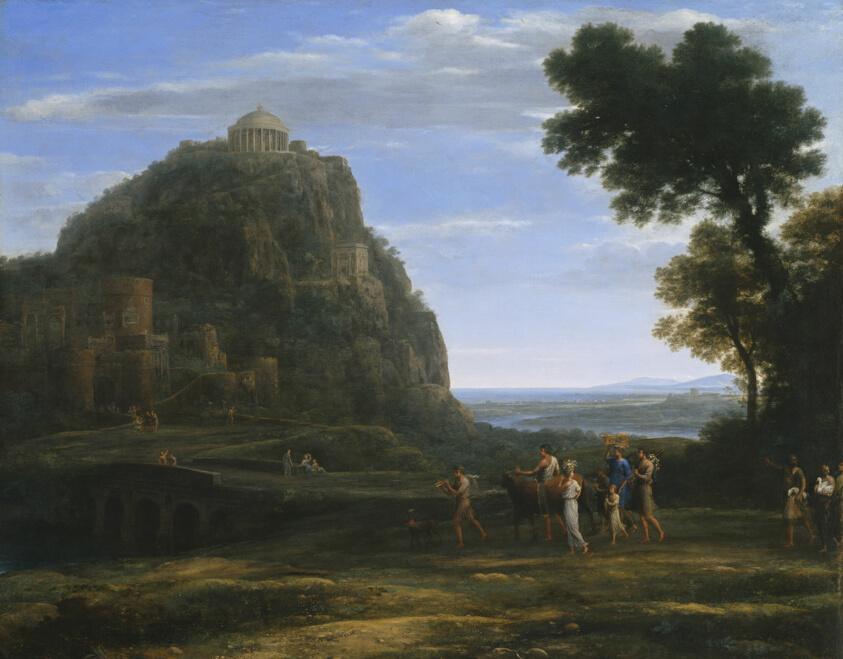
Claude Lorrain
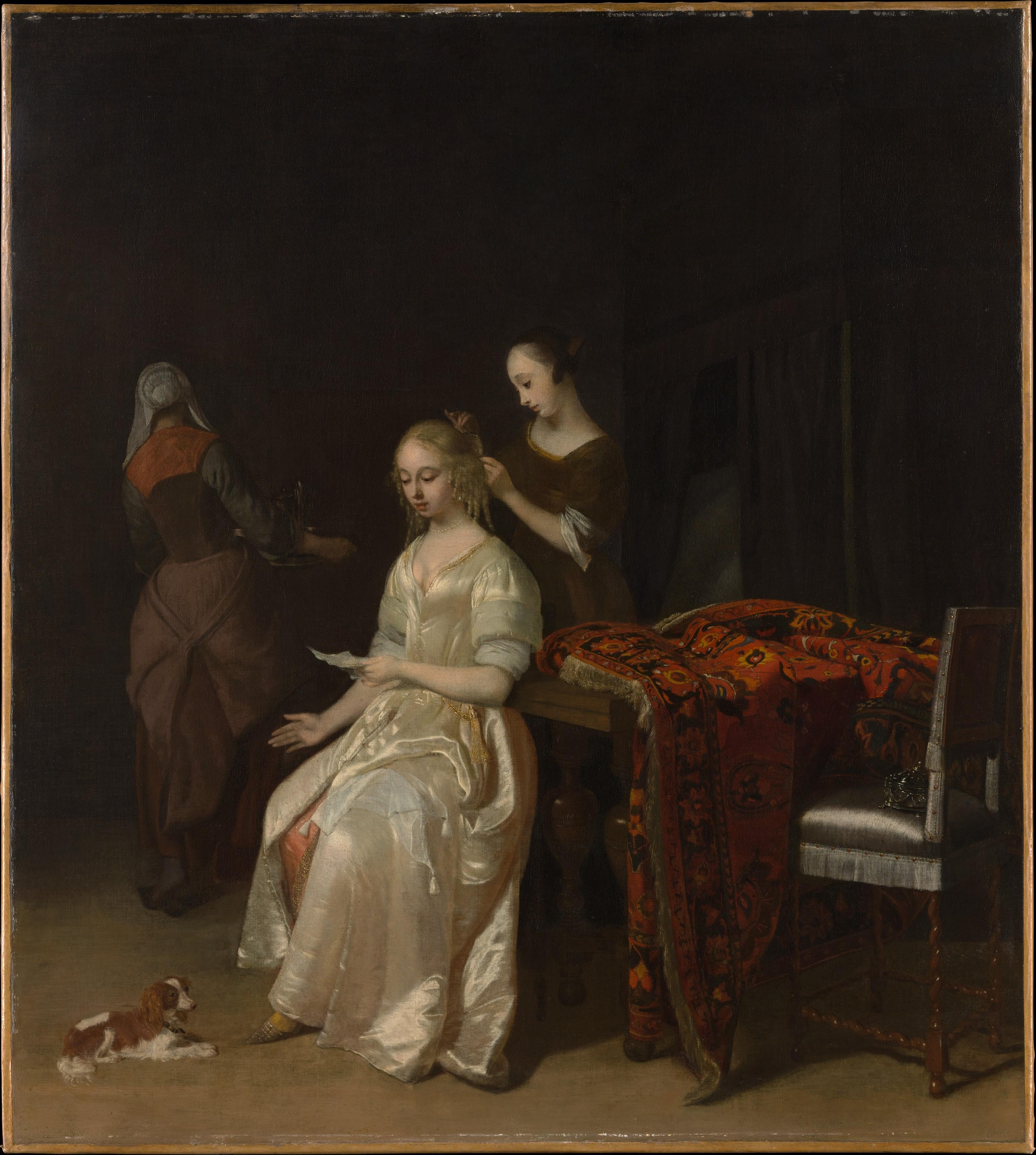
Jacob Ochtervelt
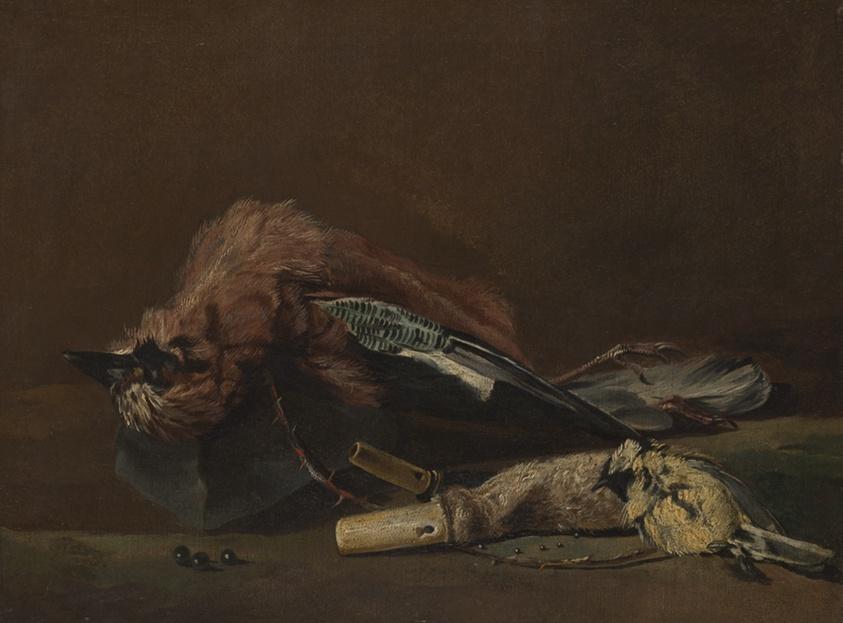
Attributed to Pieter Boel
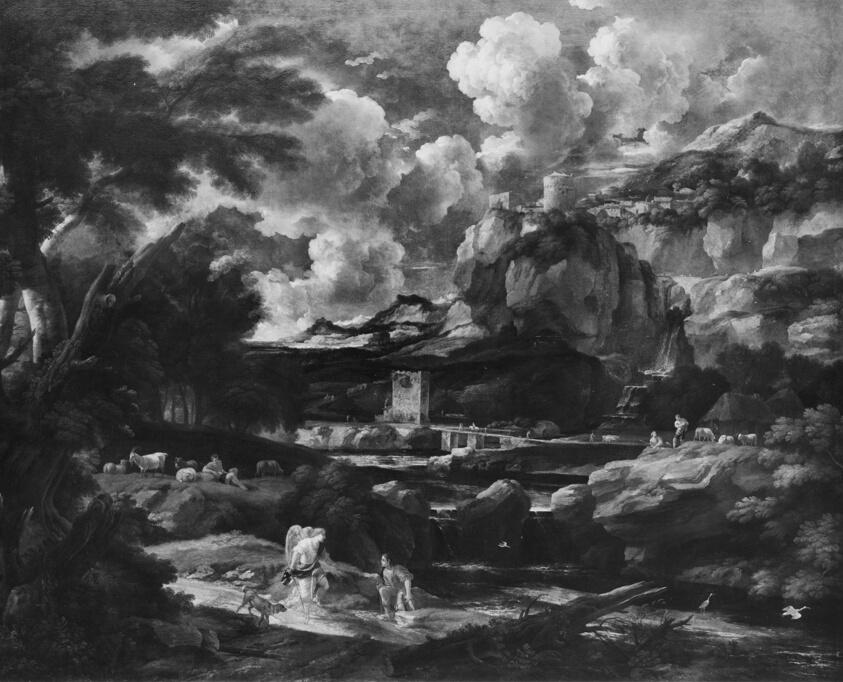
Pieter Mulier, II
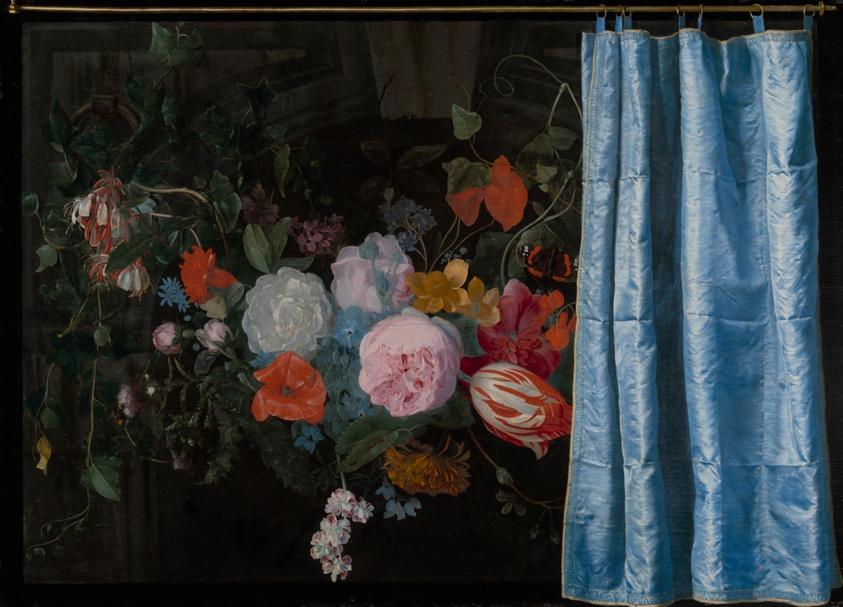
Adriaen van der SpeltFrans van Mieris

Leonardo da Vinci

Leonardo da Vinci