Van Dyck vs. Rubens: Master and Pupil Compared
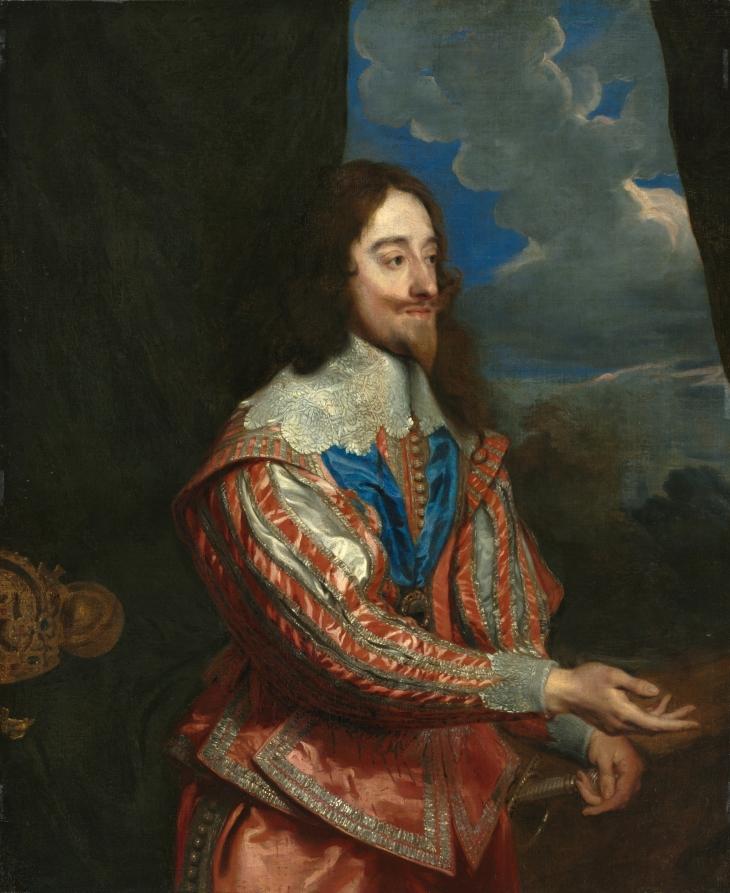
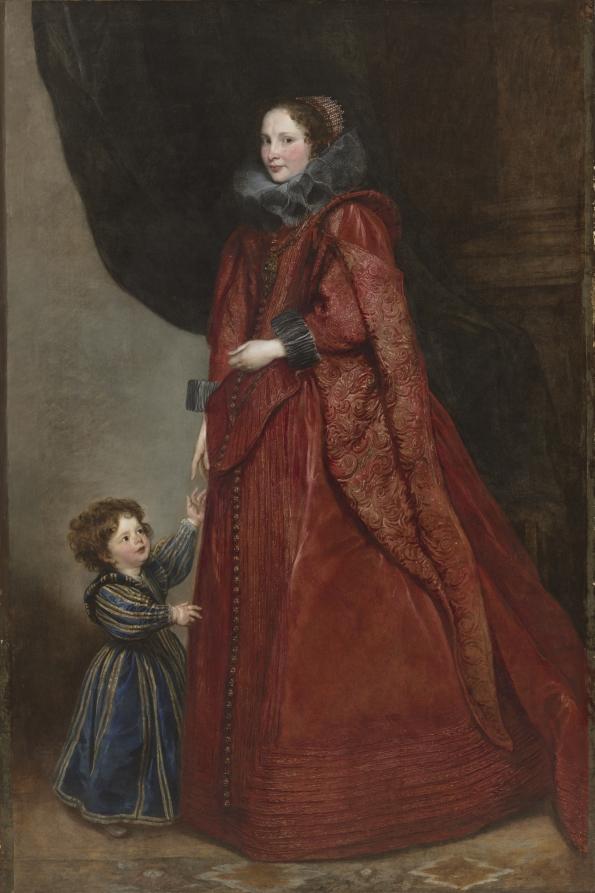
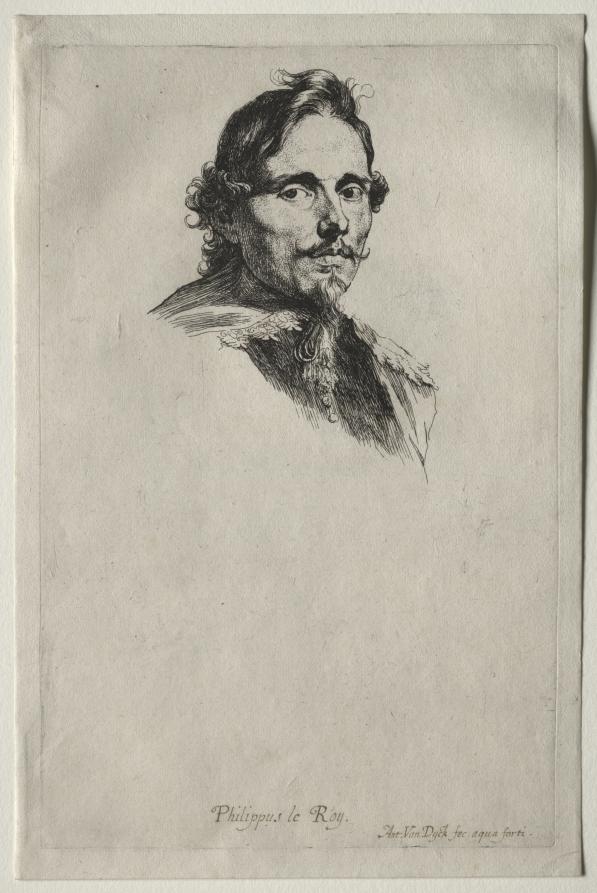
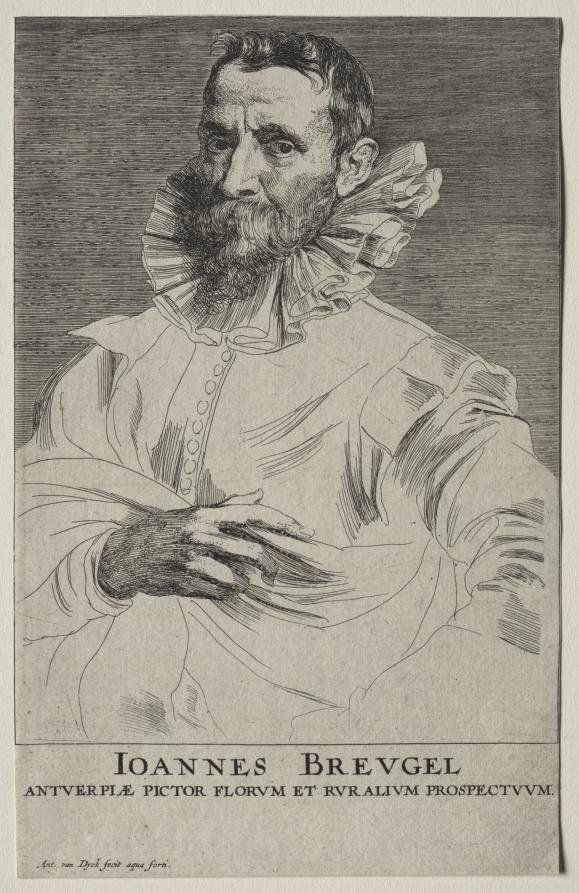
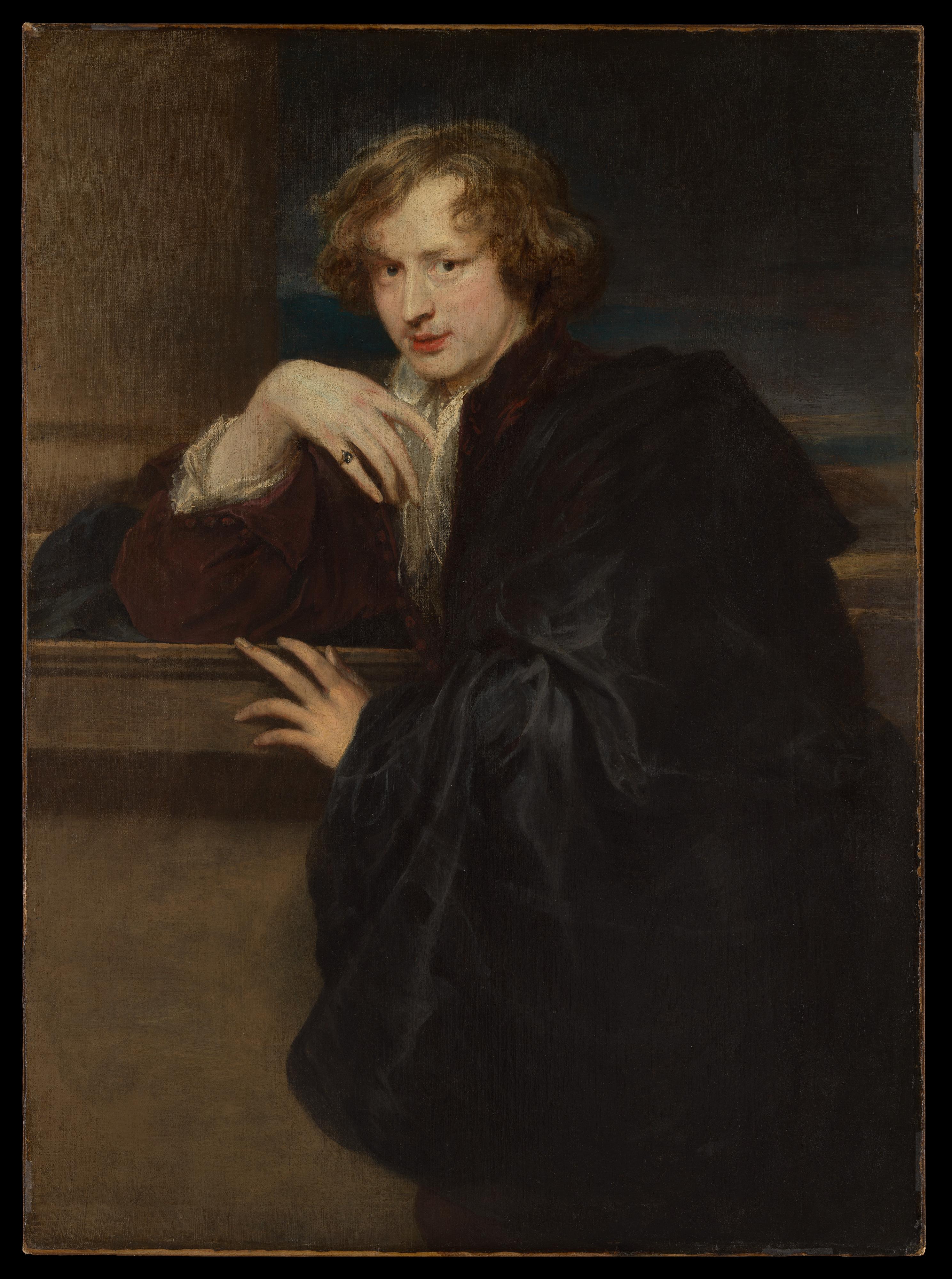
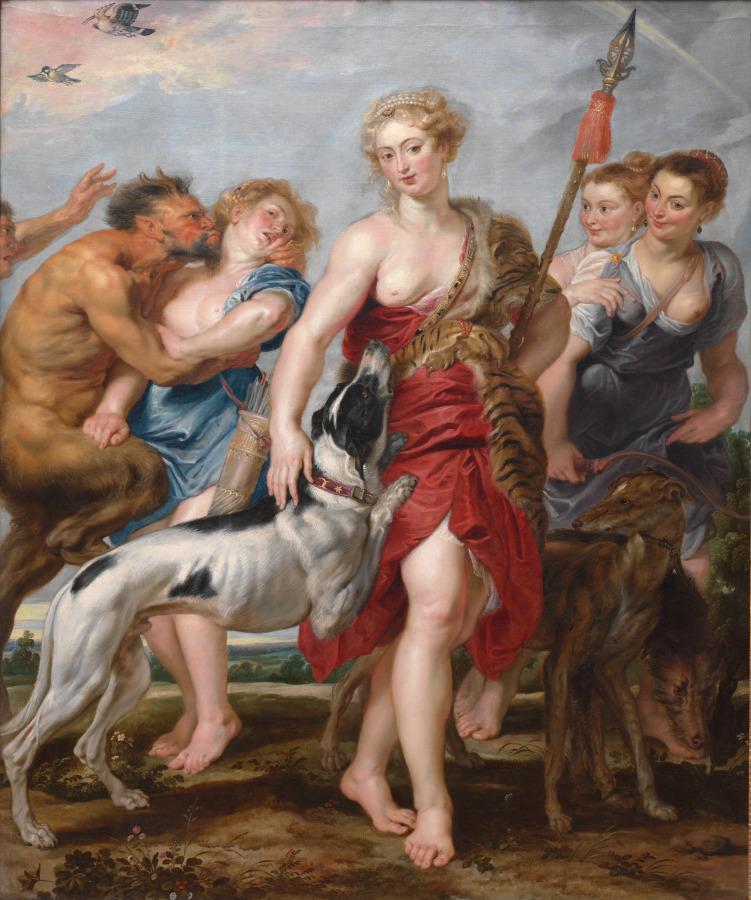
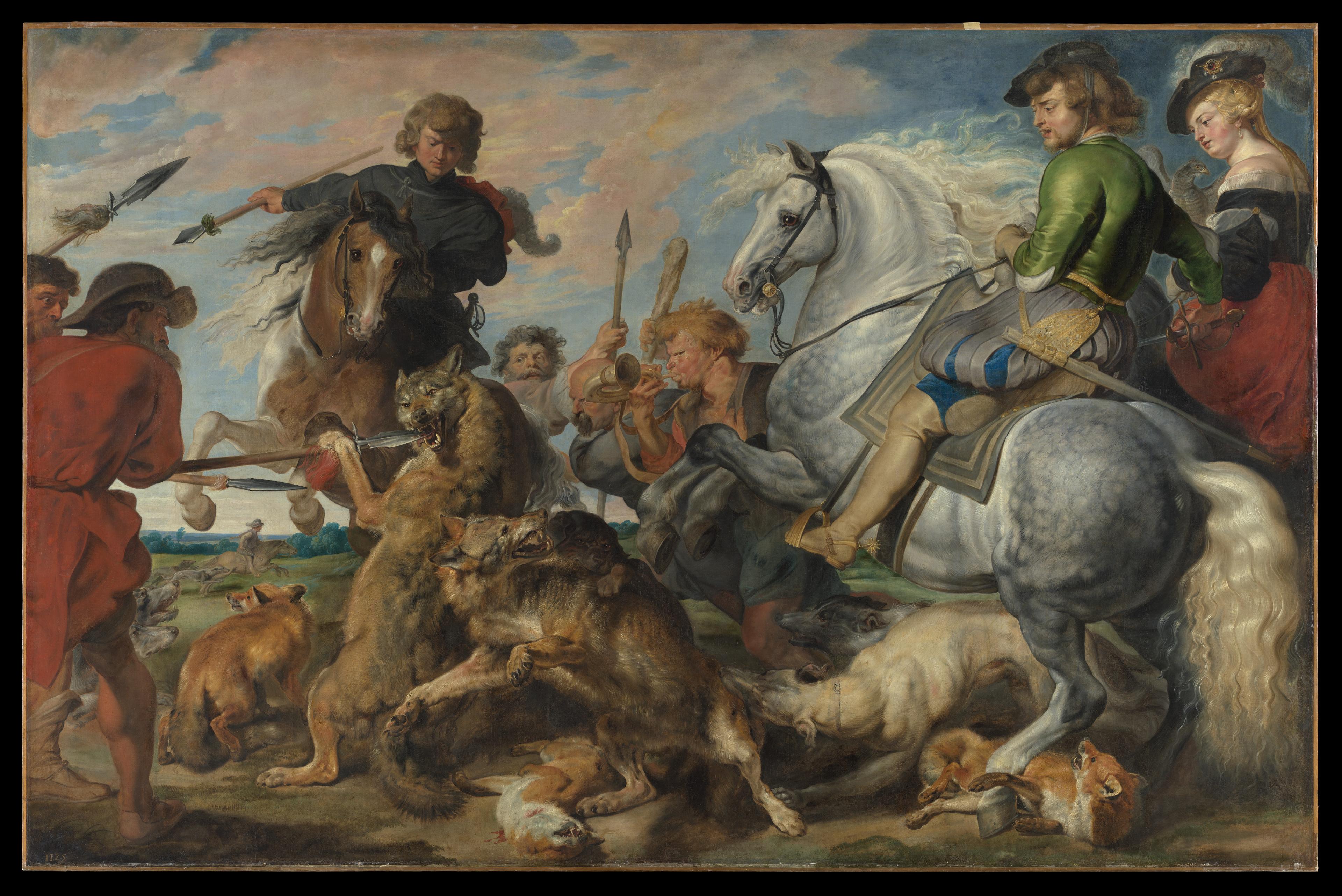
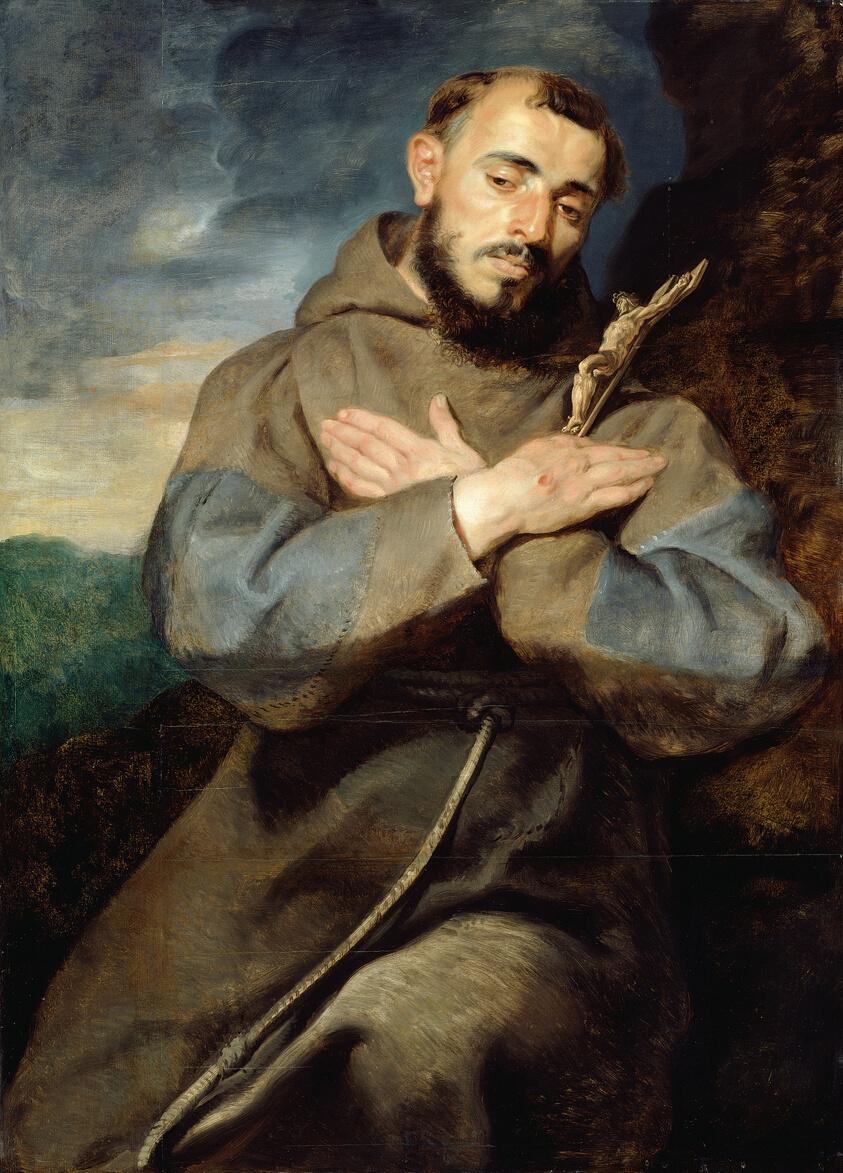
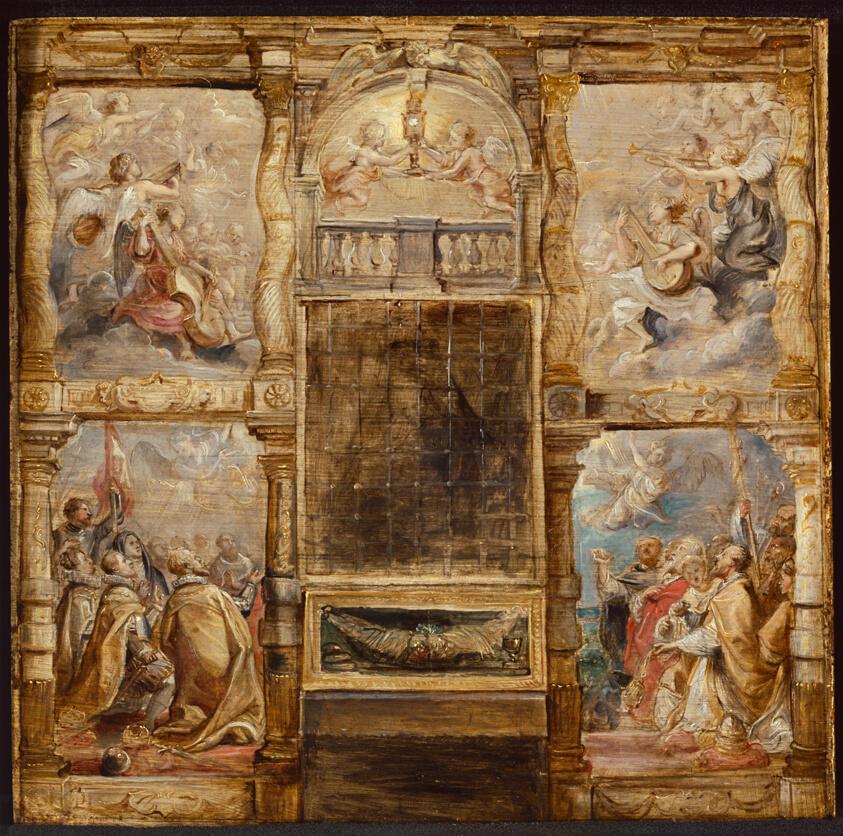
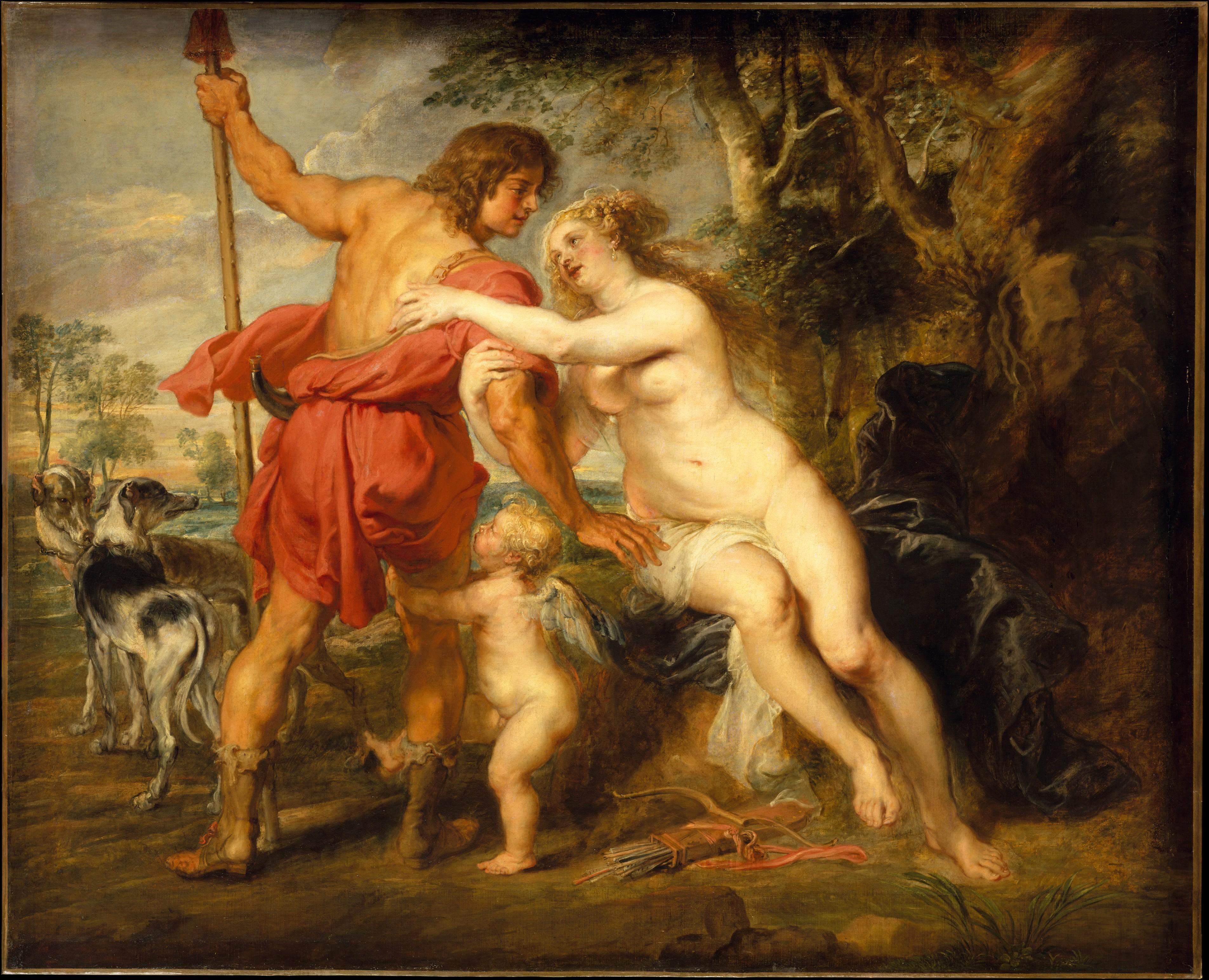
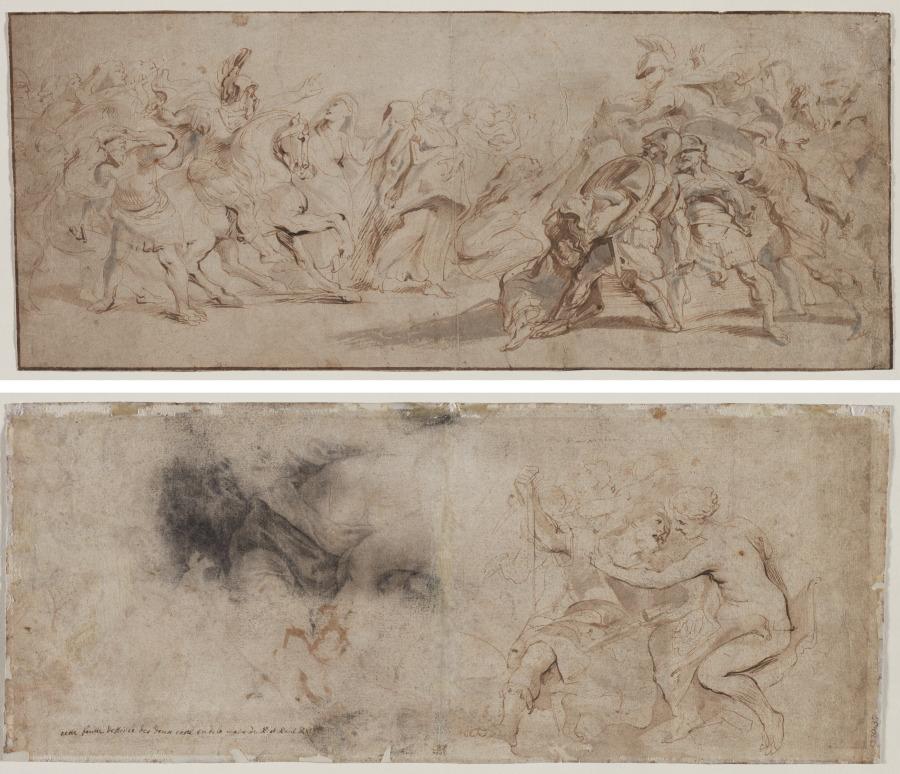
Anthony van Dyck was Peter Paul Rubens’s most talented student and, for a time, his chief assistant in Antwerp — which makes their differences more interesting than their similarities. Both were Flemish, both trained in the same tradition of rich color and confident brushwork, and both eventually worked for royal courts. But where Rubens painted mythological and religious subjects with muscular physical energy, van Dyck became the definitive court portraitist of his era, prized for an elegance and psychological restraint Rubens rarely aimed for.
| Anthony van Dyck | Peter Paul Rubens | |
|---|---|---|
| Relationship | Student and chief assistant | Teacher and workshop head |
| Career peak location | Genoa, then the English court of Charles I | Antwerp, working for courts across Europe |
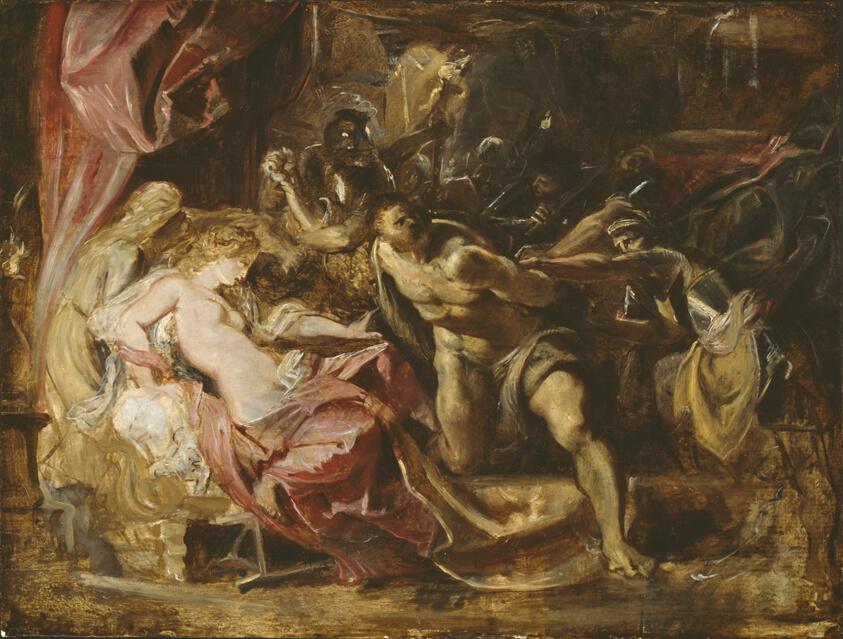
| Signature genre | Elegant, aristocratic portraiture | Mythological and religious history painting |
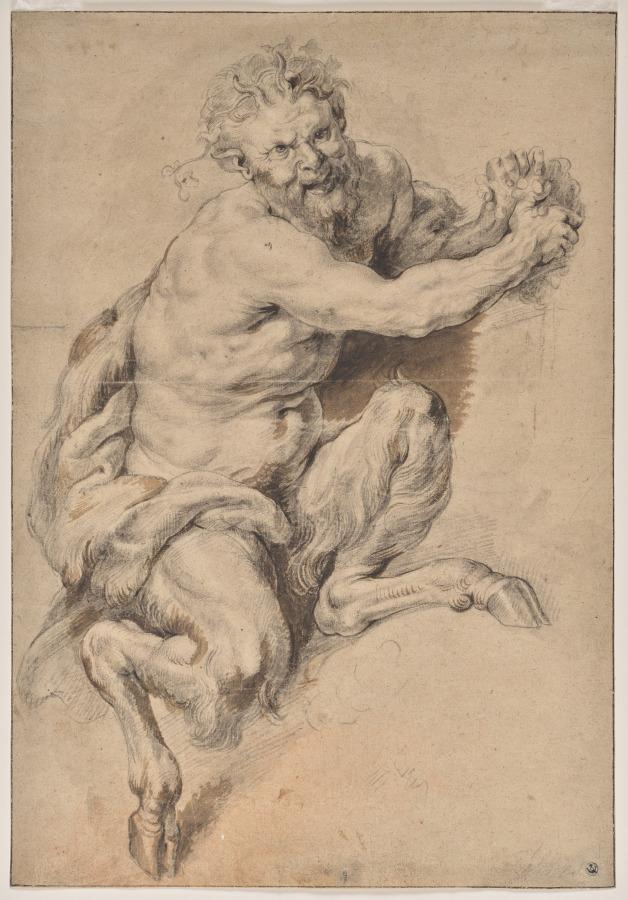
| Figure treatment | Elongated, refined, poised | Muscular, dynamic, physically emphatic |
| Later influence | Defined English portrait painting for a century | Defined large-scale Baroque history painting broadly |
The verdict
Van Dyck took Rubens’s technical vocabulary — rich color, confident paint handling — and redirected it toward something quieter and more aristocratic. It’s a rare, well-documented case of a student absorbing a master’s technique while pointing it at an almost opposite emotional register.