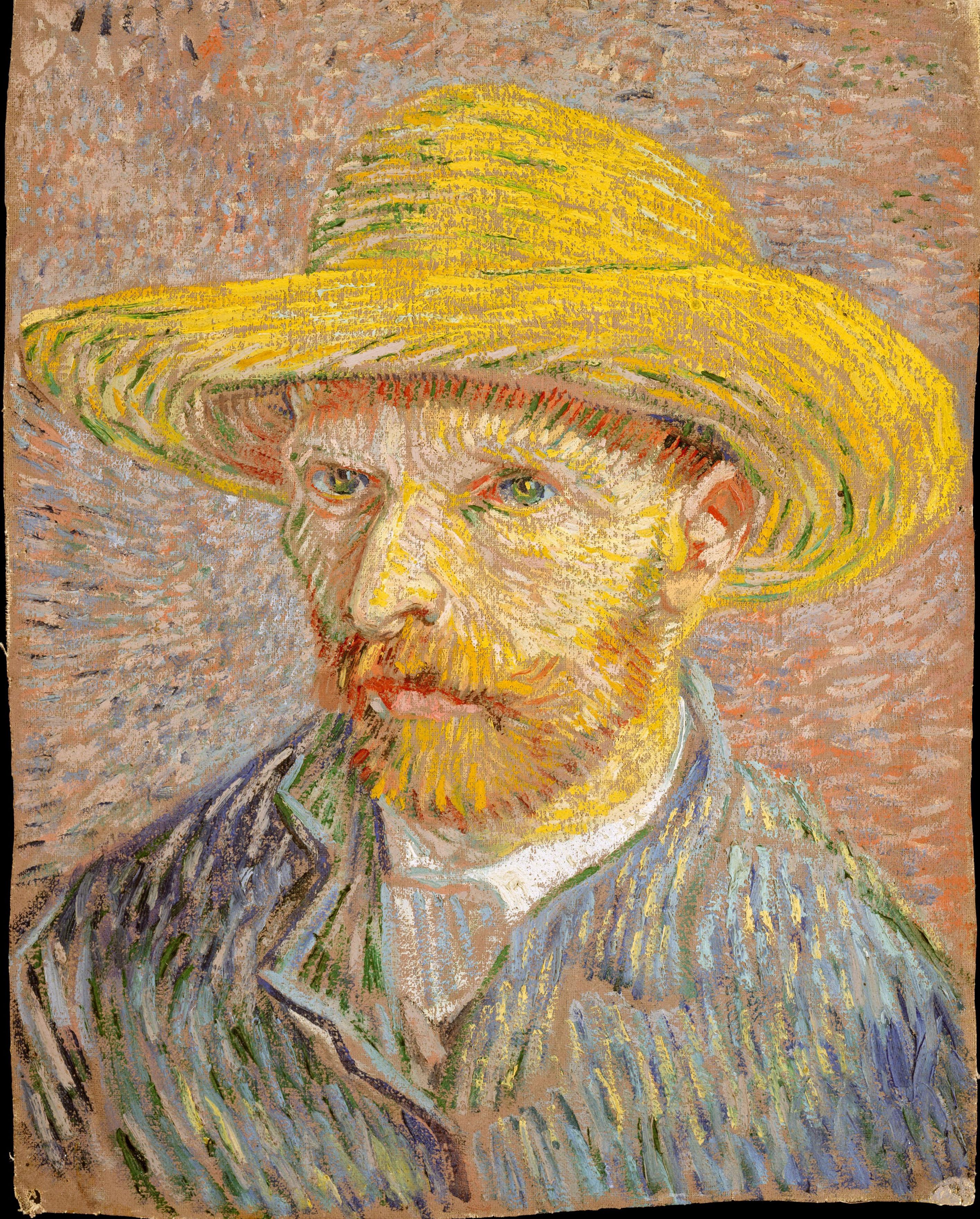
Self-Portrait with a Straw Hat (obverse: The Potato Peeler)
Vincent van Gogh
1472 likes142 comments
Paintale uses cookies for essential site functionality and, where enabled, to serve relevant advertising via Google AdSense. You can accept all cookies or reject non-essential ones. See our Privacy Policy for details.
Now viewing
Self-Portrait
Vincent van Gogh
Period
1871-1900
Theme
Portrait
Medium
Oil on artist's board, mounted on cradled panel
Current Location
Art Institute of Chicago, Chicago
The Story
The Dutch Post-Impressionist painter Vincent van Gogh painted a self-portrait in oil on canvas in September 1889. The work, which may have been his last self-portrait, was painted shortly before he left Saint-Rémy-de-Provence in southern France. It is now in the collection of the Musée d'Orsay in Paris. This self-portrait was one of about 32 produced by van Gogh over a 10-year period, and these were an important part of his work as a painter; he painted himself because he often lacked the money to pay for models.
He took the painting with him to Auvers-sur-Oise, near Paris, where he showed it to Dr. Paul Gachet, who, according to Van Gogh, was "absolutely fanatical" about it. Art historians are divided as to whether this painting or the self-portrait without a beard in a private collection is van Gogh's final self-portrait. The art historians Ingo F.
Executed in Oil on artist's board, mounted on cradled panel, measuring 41 × 32.5 cm (16 1/8 × 12 13/16 in.); Framed: 61.6 × 53.4 × 8.9 cm (24 1/4 × 21 × 3 1/2 in.), the surface rewards close looking. Vincent van Gogh builds the composition through layered glazes and a tightly controlled palette, letting cool shadows recede so that the warm, lit passages step forward.
Look closely and the painting opens up. Objects you might pass over — a folded letter, a half-drawn curtain, the angle of a glance — were placed to be read. Likeness was only part of the job; the painting also had to argue for the sitter's place in the world.
Today the painting is held by Art Institute of Chicago in Chicago, where it remains a touchstone for understanding Vincent van Gogh's contribution to Western art. It has been studied, copied, restored, and argued over for centuries — proof that great paintings keep generating new readings long after their creators have gone.
“A silence so complete it becomes its own witness.”
Vincent van Gogh, man, painter, beard.
In 1886 Vincent van Gogh left his native Holland and settled in Paris, where his beloved brother Theo was a dealer in paintings. Van Gogh was apparently inspired by the energy of the city and by his introduction to Impressionism, and he created at least twenty-four self-portraits during his two-year stay in the French capital. This early example is modest in size and was painted on prepared artist’s board rather than canvas. Its densely dabbed brushwork, which became a hallmark of Van Gogh’s style, reflects the artist’s response to Georges Seurat’s revolutionary pointillist technique in A Sunday on La Grande Jatte—1884. What was for Seurat a method based on the cool objectivity of science became in Van Gogh’s hands an intense emotional language. The surface of the painting dances with particles of color—intense greens, blues, reds, and oranges. Dominating this dazzling array of staccato dots and dashes are the artist’s deep green eyes and the intensity of their gaze. “I prefer painting people’s eyes to cathedrals,” Van Gogh once wrote to Theo. “However solemn and imposing the latter may be—a human soul, be it that of a poor streetwalker, is more interesting to me.” From Paris, Van Gogh traveled to the southern town of Arles for fifteen months. At the time of his death, in 1890, he had actively pursued his art for only five years. Van Gogh’s career as a painter was actually very brief. From Paris, he traveled to the southern town of Arles for fi ft een months. At the time of his death, in 1890, he had actively pursued his art for just five years. This is one of thirty-five works that comprise the Winterbotham Collection. Click here to learn more about the collection.
Joseph Winterbotham Collection
Materials: oil paint, canvas.
Technique: oil painting, painting, painting techniques, painting (image making).
The artist’s sister-in-law, Johanna van Gogh-Bonger (died 1925), Amsterdam [this and the following according to Van Gogh-Bonger’s account book: "19/2 2-1912 'Kunstverein Frankfurt portret' 2942.50 [guilders]" and "95/15 2-1912 'ontvangen uit Frankfort Kunstverein voor portret' 2942.50 [guilders];" reproduced in Stolwijk and Veenenbos 2002, 54, 130]; sold through Frankfurter Kunstverein to Leonhard Tietz (died 1914), Cologne, Feb. 1912; by descent to his son, Alfred Tietz, Cologne, 1914 [Amsterdam 1930]; sold to E. J. van Wisselingh and Co., Amsterdam, Dec. 12, 1933 [this and the following according to the E. J. Van Wisselingh and Co. Stock Book, no. 5440, Rijksbureau voor Kunsthistorische Documentatie, The Hague; copy in curatorial object file]; sold to Étienne Bignou (Bignou Art Gallery), Paris, Dec. 31, 1933; transferred to Bignou Art Gallery, New York [photograph of the painting, no. 2156, Bignou Gallery album, n.d., Frick Art Reference Gallery; copy in curatorial object file]; sold to Joseph Winterbotham (died 1953), Burlington, Vermont by 1935 [letter from Joseph Winterbotham to Robert Harshe, June 10, 1935; copy in curatorial object file]; given to the Art Institute, 1954.
Art Institute of Chicago, Chicago. View on the museum’s official page.
See more works at Art Institute of Chicago or browse the full Vincent van Gogh collection.
A restrained palette and sculptural lighting create a solemn geometry. The wooden crate and letter anchor the narrative with journalistic precision.
Sources
Keep Exploring
More paintings like this
Vincent van Gogh

Vincent van Gogh
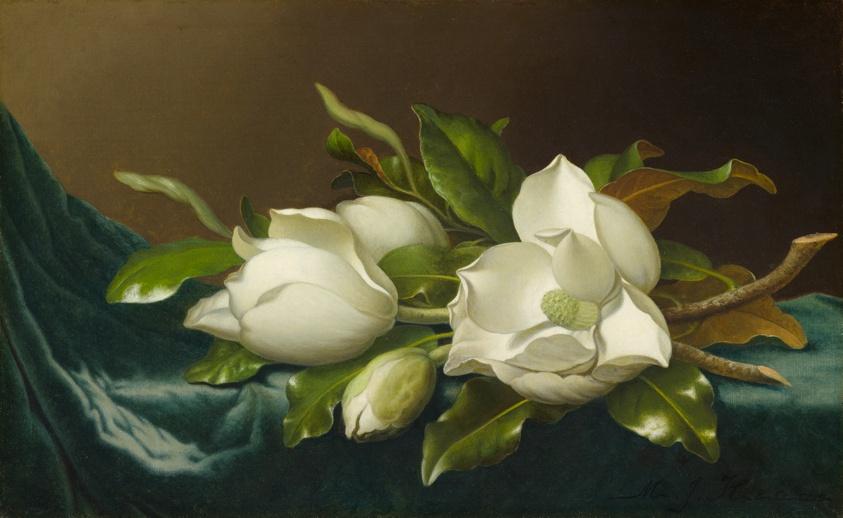
Martin Johnson Heade
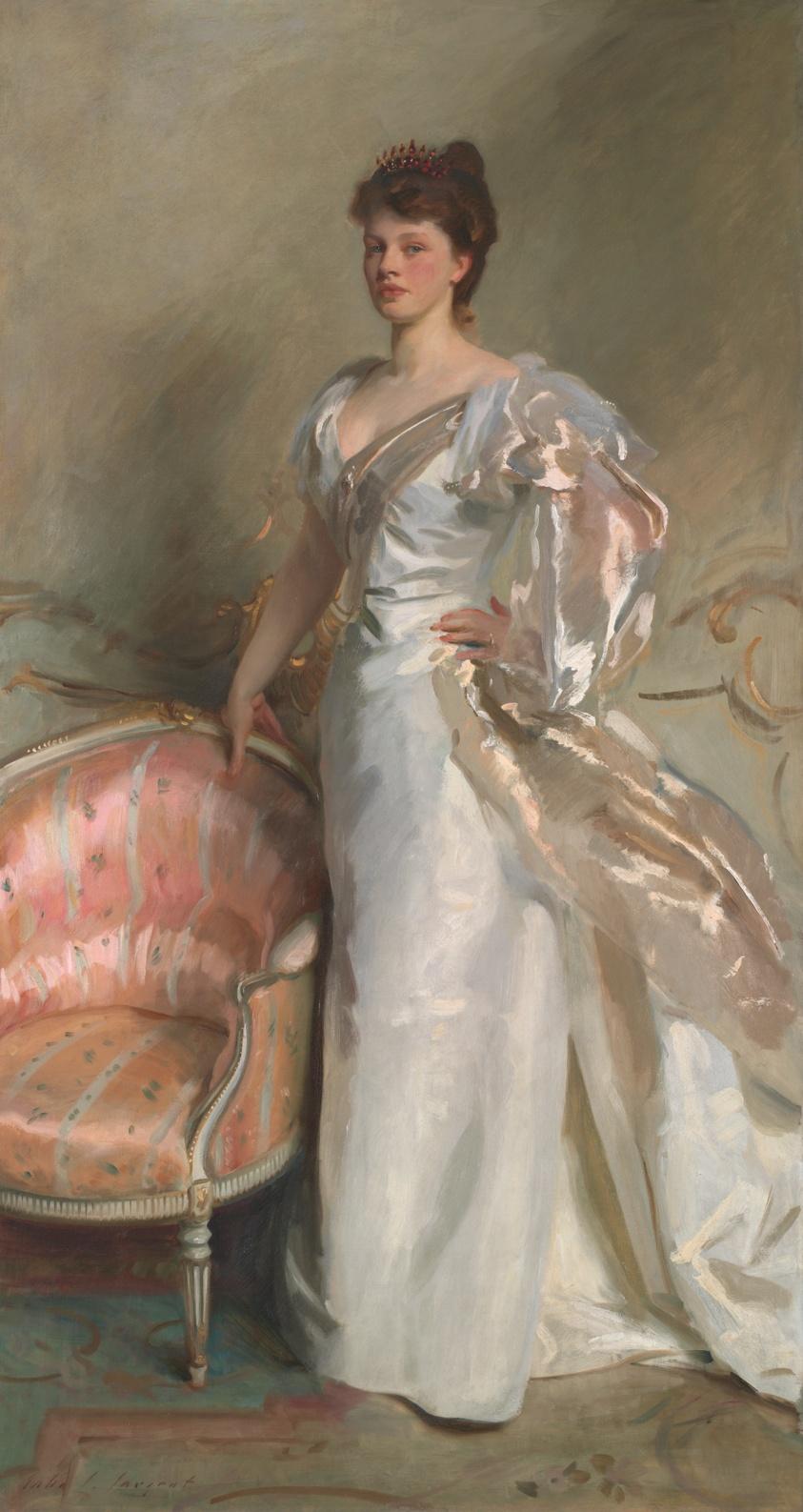
John Singer Sargent
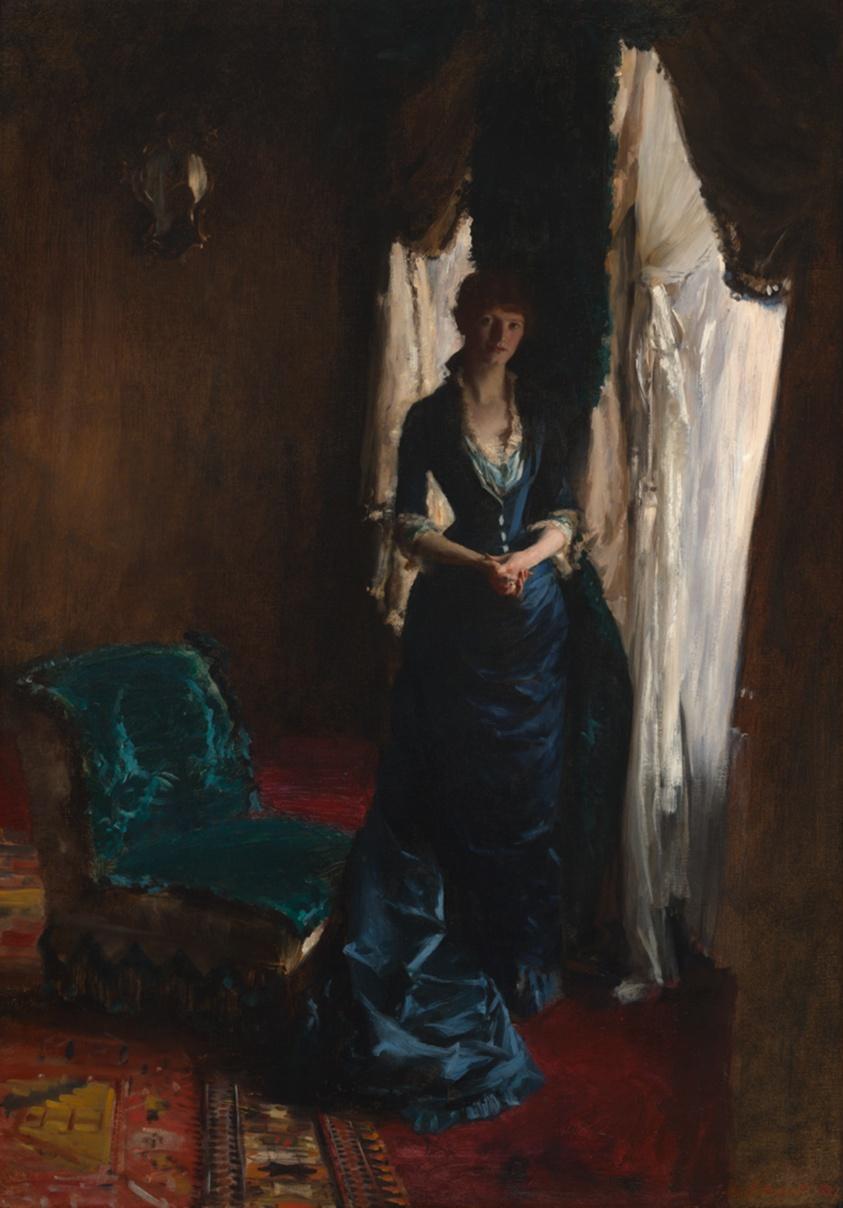
John Singer Sargent
Albert Besnard
John Singer Sargent
Albert Pinkham Ryder American