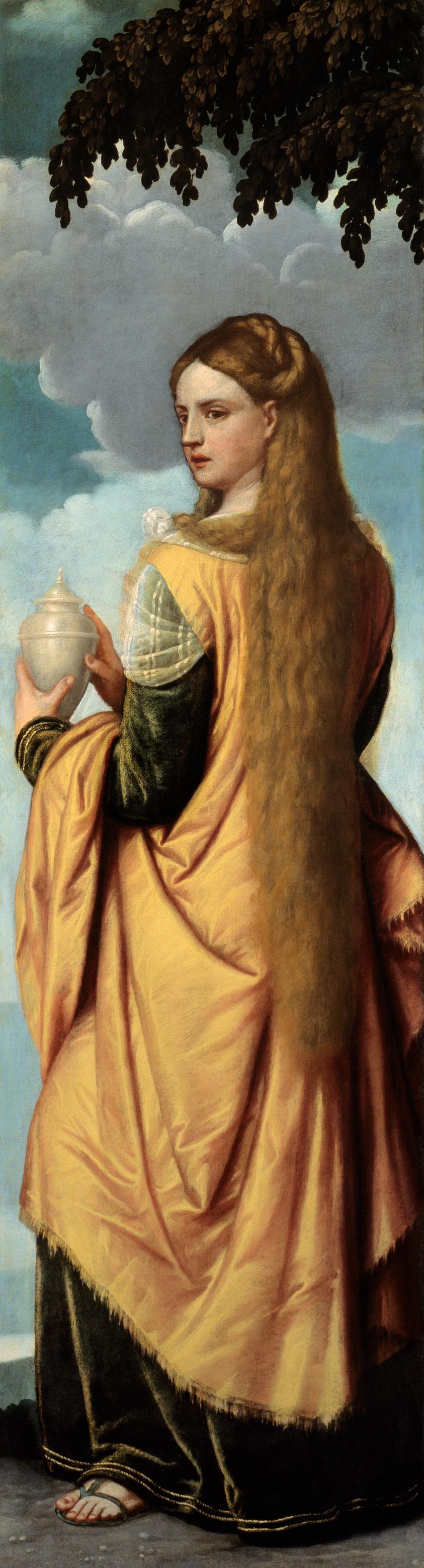
Mary Magdalene
Moretto da Brescia
1134 likes104 comments
Paintale uses cookies for essential site functionality and, where enabled, to serve relevant advertising via Google AdSense. You can accept all cookies or reject non-essential ones. See our Privacy Policy for details.
Now viewing
The Nativity
Fra Bartolommeo
Period
1500-1550
Theme
Power & Politics
Medium
Oil on panel
Current Location
Art Institute of Chicago, Chicago
The Story
To develop his own intimate style, Fra Bartolommeo looked to the most lyrical and harmonious paintings of his fellow artists working in Florence in the first years of the 16th century, including Leonardo da Vinci, Michelangelo, and Raphael. When the young artist came under the spell of the ardent Dominican reformer Girolamo Savonarola in 1500, he abandoned his artistic career for several years to join the order, becoming Fra (Friar) Bartolommeo. He made this work after his return to painting in 1504, investing it with a new spirituality.
Created in 1504 during the 1500-1550 period, this work belongs firmly within the power & politics tradition. Fra Bartolommeo worked at a moment when the rediscovery of classical antiquity reshaped what a painting could mean. Every gesture, fabric, and gleam of light was decoded by contemporary viewers like a private language.
The physical object — Oil on panel, 34 × 24.5 cm (13 3/8 × 9 5/8 in.); Framed: 52.7 × 35.6 cm (20 3/4 × 14 1/16 in.) — carries its own history of handling and restoration. Fra Bartolommeo's brushwork here moves between exacting description and looser, more suggestive passages, a balance typical of Renaissance studio practice.
Look closely and the painting opens up. Objects you might pass over — a folded letter, a half-drawn curtain, the angle of a glance — were placed to be read. Commissioned images like this one were rarely neutral; every architectural flourish argues for authority.
Art Institute of Chicago in Chicago now holds the work, where conservators and historians continue to revisit its condition and attribution. Each generation of scholarship adds a layer to how Fra Bartolommeo's output from this period is understood.
“A silence so complete it becomes its own witness.”
To develop his own intimate style, Fra Bartolommeo looked to the most lyrical and harmonious paintings of his fellow artists working in Florence in the first years of the 16th century, including Leonardo da Vinci, Michelangelo, and Raphael. When the young artist came under the spell of the ardent Dominican reformer Girolamo Savonarola in 1500, he abandoned his artistic career for several years to join the order, becoming Fra (Friar) Bartolommeo. He made this work after his return to painting in 1504, investing it with a new spirituality.
Ethel T. Scarborough Fund; John G. Searle Family Trust, L. L. and A. S. Coburn, Mr. and Mrs. Lester King, John and Josephine Louis, Samuel A. Marx, Alexander McKay, Chester D. Tripp, and Murray Vale endowment funds; purchased with funds provided by Marilynn Alsdorf, Anne Searle Bent, David and Celia Hilliard, Alexandra and John Nichols, Mrs. Harold T. Martin, Mrs. George B. Young in memory of her husband, and the Rhoades Foundation; gift of John Bross and members of the Old Masters Society in memory of Louise Smith Bross; through prior gift of the George F. Harding, Mr. and Mrs. W. W. Kimball, Mr. and Mrs. Martin A. Ryerson, and Charles H. and Mary F. S. Worcester collections
Technique: painting (image making), oil painting, painting, painting techniques, panel painting.
Sold through the Monastery of San Marco, Florence, to Domenico Perini, April 16, 1507; sent by Domenico Perini to France and possibly sold to Louis XII, King of France, along with a Noli me tangere now in the Louvre, according to a list of all Fra Bartolommeo’s pictures compiled in 1516; Bedemeau de Buxerolles, Poitou. Tabarly collection, Blois, Pierre Landry, Paris, by 1955; his heirs, sold, Christie’s, London, 11 July 2001, no. 68 to Haboldt and Company, Paris; sold to the Art Institute of Chicago, 2005.
Art Institute of Chicago, Chicago. View on the museum’s official page.
See more works at Art Institute of Chicago or browse the full Fra Bartolommeo collection.
A restrained palette and sculptural lighting create a solemn geometry. The wooden crate and letter anchor the narrative with journalistic precision.
Sources
Keep Exploring
More paintings like this
Moretto da Brescia

Correggio
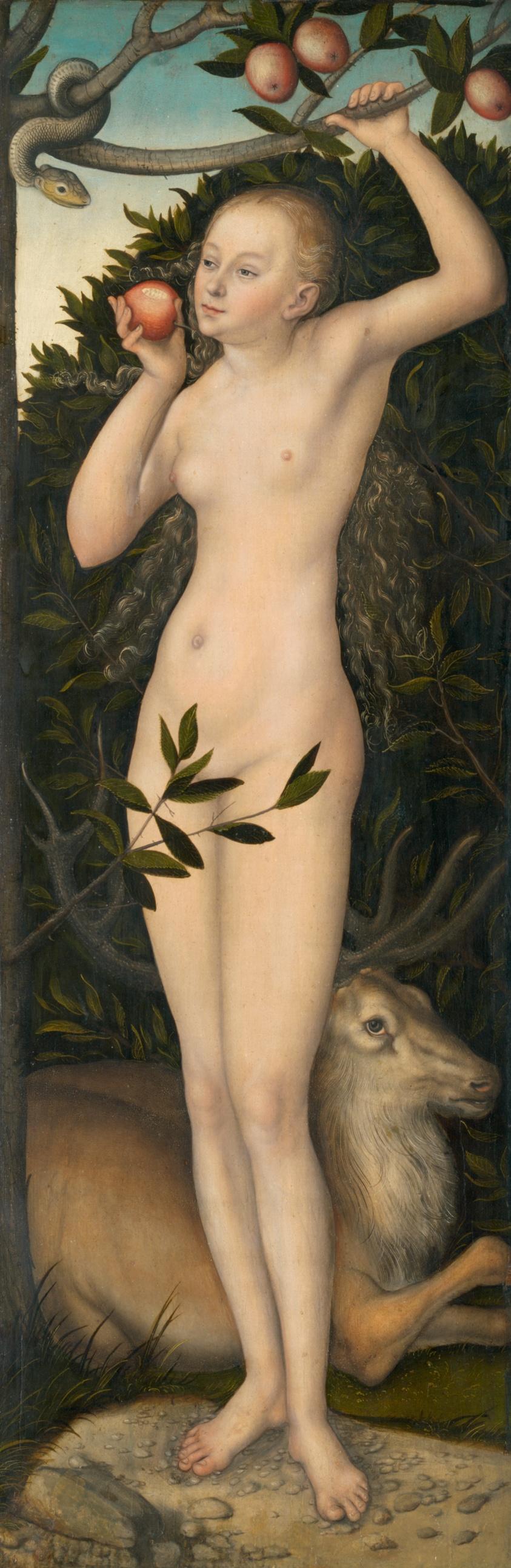
Lucas Cranach the Elder
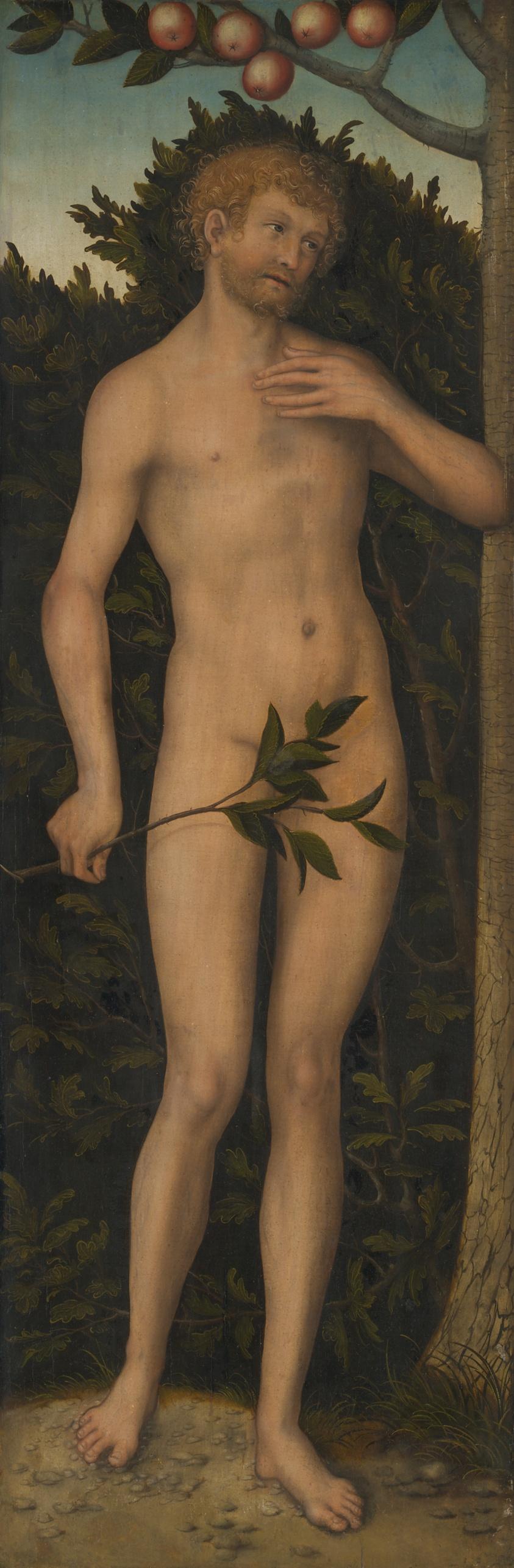
Lucas Cranach the Elder
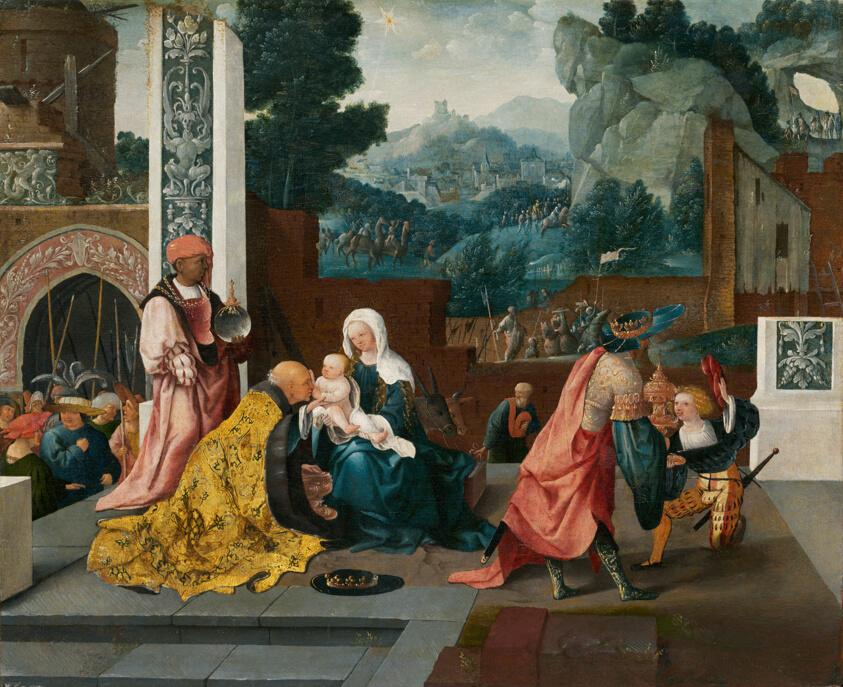
Jan van Scorel
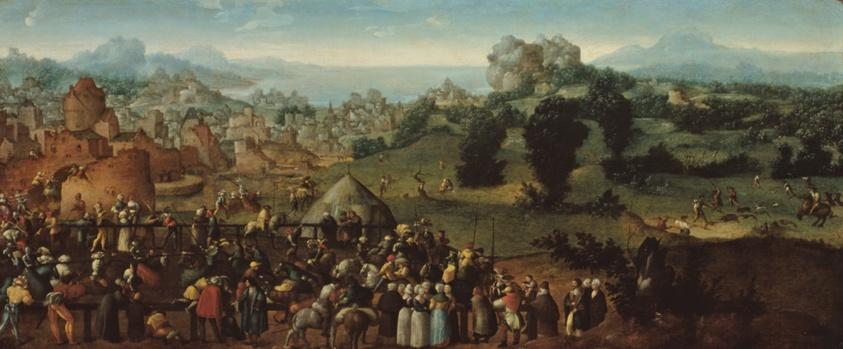
Jan van Scorel
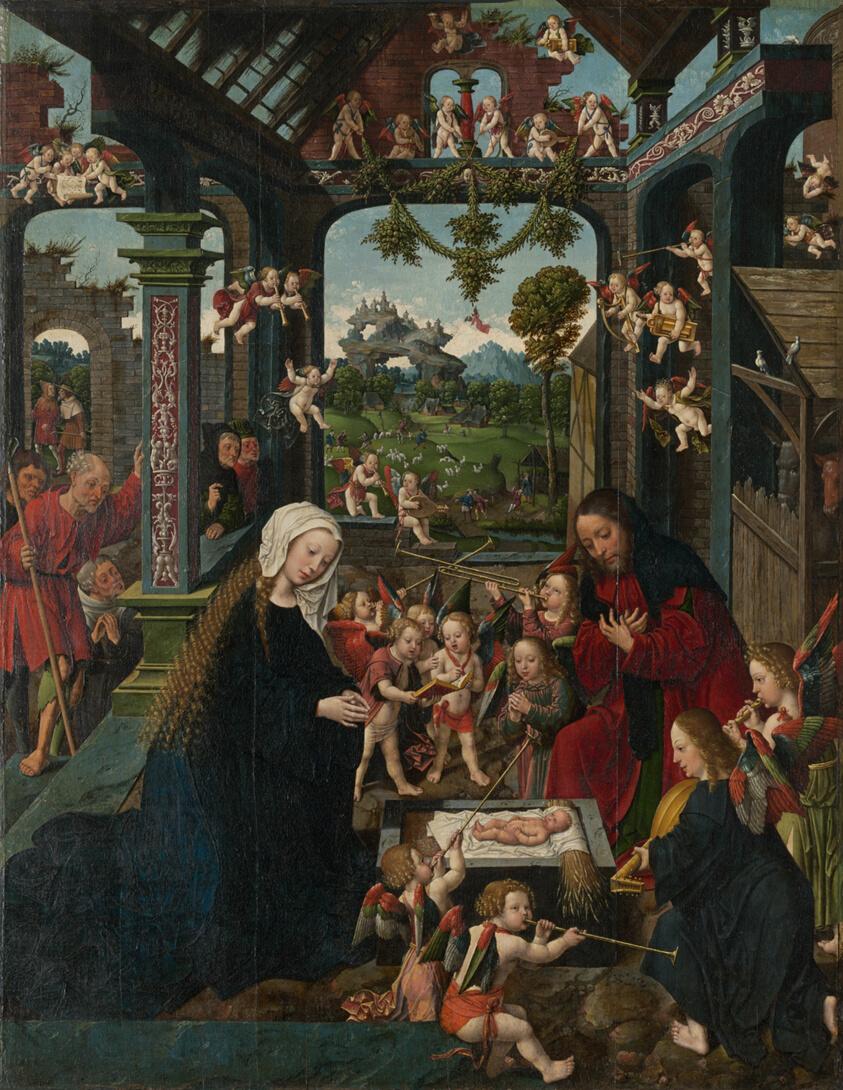
Jacob Cornelisz. van OostsanenWorkshop of Jacob Cornelisz. van Oostsanen
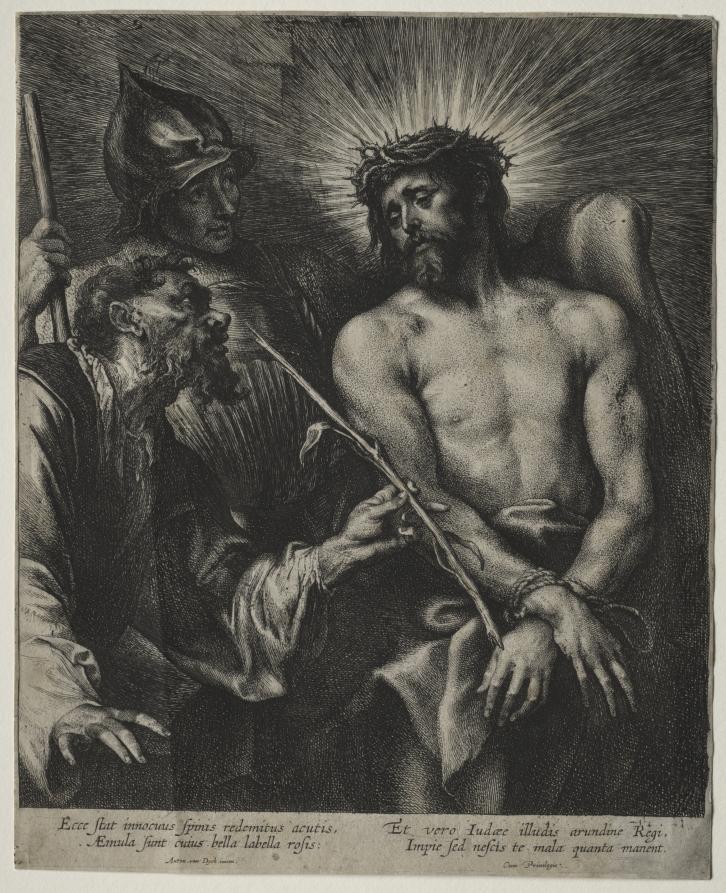
Anthony van Dyck