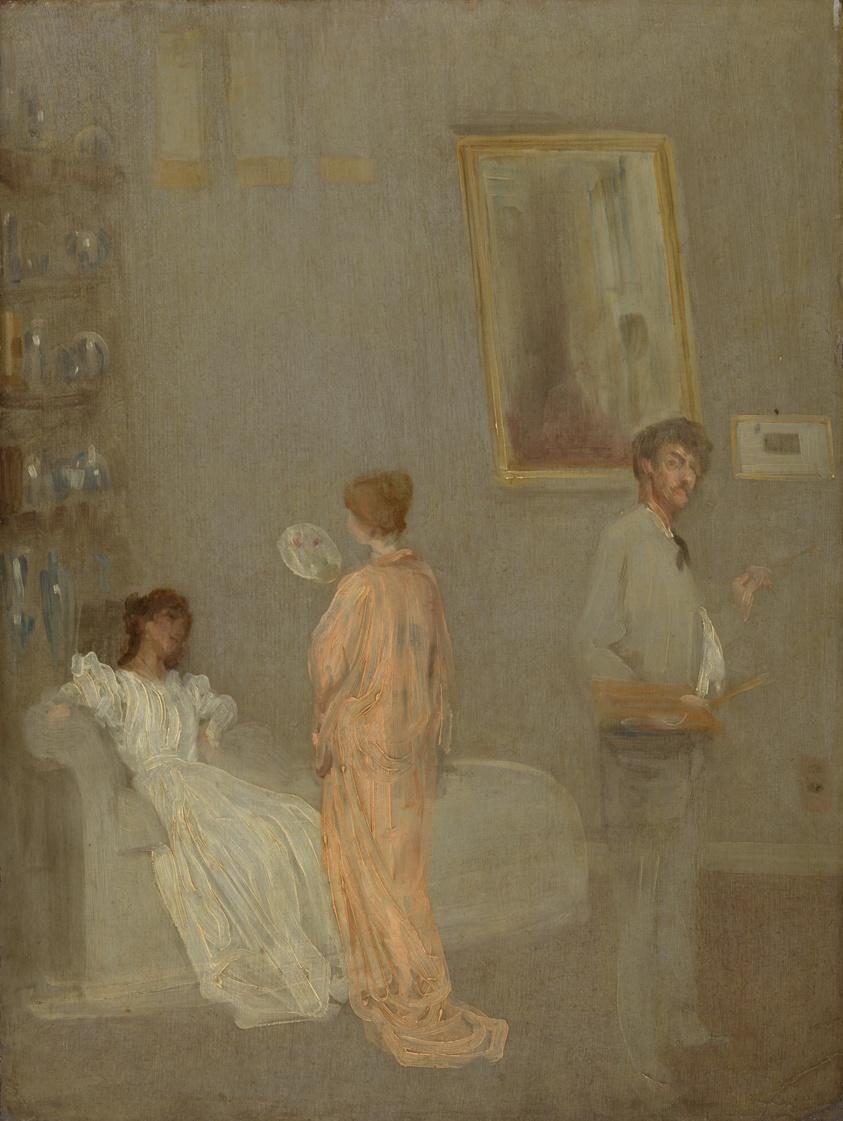
The Artist in His Studio
James McNeill Whistler
1123 likes73 comments
Paintale uses cookies for essential site functionality and, where enabled, to serve relevant advertising via Google AdSense. You can accept all cookies or reject non-essential ones. See our Privacy Policy for details.
Now viewing
Rocky Coast
John Frederick Kensett
Period
1831-1870
Theme
Portrait
Medium
Oil on canvas
Current Location
Art Institute of Chicago, Chicago
The Story
Like the Impressionists, who emphasized light effects, painters of the Hudson River School focused on temporal conditions of the landscape to suggest specific atmospheres. In Rocky Coast, John Frederick Kensett depicted the shoreline on a hazy day, with calm water and gentle waves.
The careful treatment of nature by the Hudson River School artists has been linked to the writings of Transcendentalists such as Ralph Waldo Emerson, who wrote in Nature (1836): “Standing on the bare ground,—my head bathed by the blithe air, and uplifted into infinite space,—all mean egotism vanishes. I become a transparent eye-ball. I am nothing. ” The horizon line of Rocky Coast illustrates this idea, as the uninterrupted water appears infinite, suggesting that the ocean continues beyond the vision of the viewer.
Working in Oil on canvas at 35.6 × 61 cm (14 × 24 in.), John Frederick Kensett constructs depth through value contrast rather than outline, letting figures emerge from darkness the way they would under candlelight or through a shuttered window.
Look closely and the painting opens up. Objects you might pass over — a folded letter, a half-drawn curtain, the angle of a glance — were placed to be read. Likeness was only part of the job; the painting also had to argue for the sitter's place in the world.
Art Institute of Chicago in Chicago now holds the work, where conservators and historians continue to revisit its condition and attribution. Each generation of scholarship adds a layer to how John Frederick Kensett's output from this period is understood.
“A silence so complete it becomes its own witness.”
Like the Impressionists, who emphasized light effects, painters of the Hudson River School focused on temporal conditions of the landscape to suggest specific atmospheres. In Rocky Coast, John Frederick Kensett depicted the shoreline on a hazy day, with calm water and gentle waves. The careful treatment of nature by the Hudson River School artists has been linked to the writings of Transcendentalists such as Ralph Waldo Emerson, who wrote in Nature (1836): “Standing on the bare ground,—my head bathed by the blithe air, and uplifted into infinite space,—all mean egotism vanishes. I become a transparent eye-ball. I am nothing. I see all.” The horizon line of Rocky Coast illustrates this idea, as the uninterrupted water appears infinite, suggesting that the ocean continues beyond the vision of the viewer.
Gift of Brooks McCormick
Art Institute of Chicago, Chicago. View on the museum’s official page.
See more works at Art Institute of Chicago or browse the full John Frederick Kensett collection.
A restrained palette and sculptural lighting create a solemn geometry. The wooden crate and letter anchor the narrative with journalistic precision.
Sources
Keep Exploring
More paintings like this
James McNeill Whistler
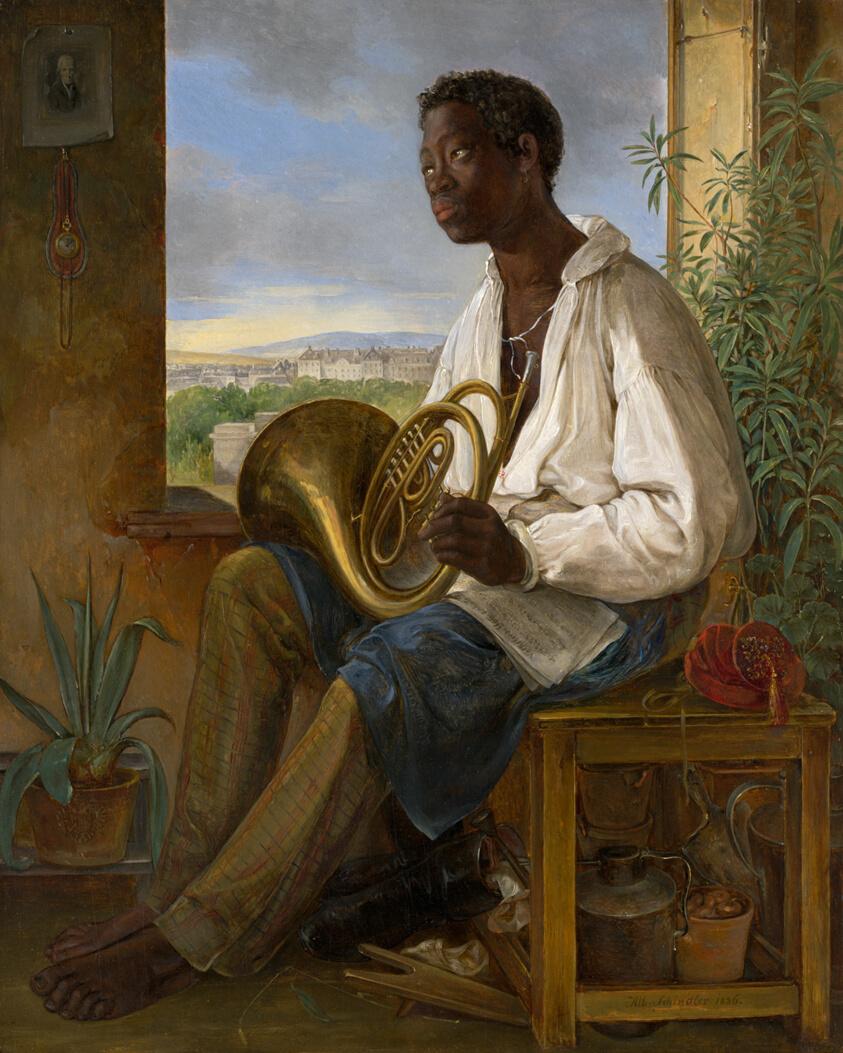
Albert Schindler
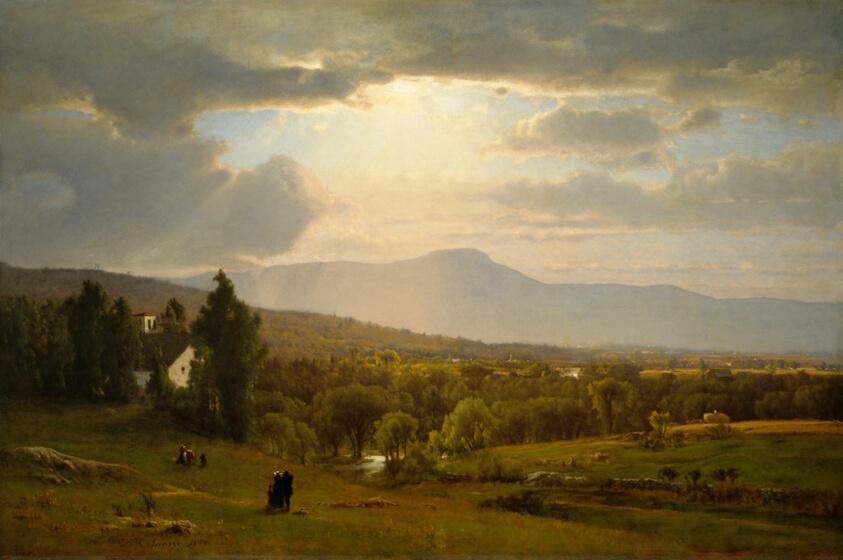
George Inness

Eastman Johnson
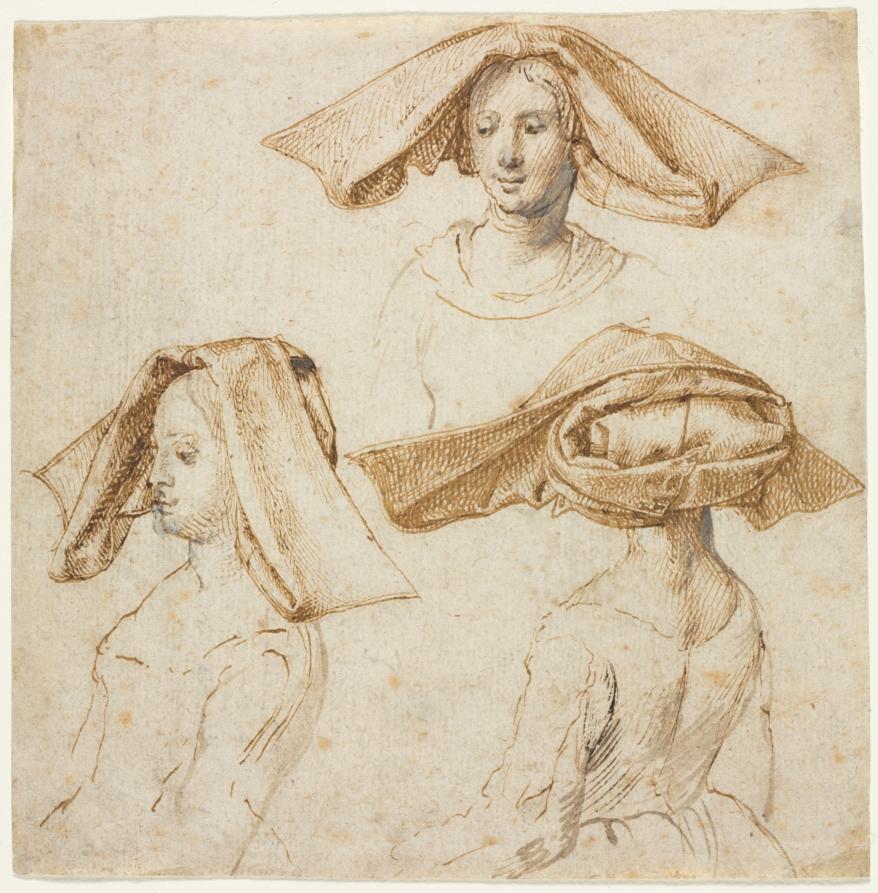
Anonymous
Albrecht Dürer
Albrecht Dürer
Albrecht Dürer