Nicolas Rubens, the Artist's Son
Attributed to Peter Paul Rubens
409 likes139 comments
Paintale uses cookies for essential site functionality and, where enabled, to serve relevant advertising via Google AdSense. You can accept all cookies or reject non-essential ones. See our Privacy Policy for details.
Now viewing
Young Woman at an Open Half-Door
Rembrandt van RijnWorkshop of Rembrandt van Rijn
Period
1600-1650
Theme
Daily Life
Medium
Oil on canvas
Current Location
Art Institute of Chicago, Chicago
The Story
This young woman, with her sidelong glance and the ambiguous lift at the corner of her mouth, exemplifies the playful nature of Rembrandt van Rijn’s character studies, called tronies, as well as his use of doorways and windows as clever framing devices. However, the overall flatness of this composition argues against Rembrandt’s authorship. It may have been created by a member of his prolific workshop and then endorsed as a studio product with the artist’s signature and date.
Created in 1645 during the 1600-1650 period, this work belongs firmly within the daily life tradition. Rembrandt van RijnWorkshop of Rembrandt van Rijn worked at a moment when the rivalry between Catholic Baroque drama and Protestant restraint reshaped what a painting could mean. Every gesture, fabric, and gleam of light was decoded by contemporary viewers like a private language.
Executed in Oil on canvas, measuring 102.5 × 85.1 cm (40 3/8 × 33 1/2 in.); Framed: 121.6 × 104.4 × 5.7 cm (47 7/8 × 41 1/8 × 2 1/4 in.), the surface rewards close looking. Rembrandt van RijnWorkshop of Rembrandt van Rijn builds the composition through layered glazes and a tightly controlled palette, letting cool shadows recede so that the warm, lit passages step forward.
Look closely and the painting opens up. Objects you might pass over — a folded letter, a half-drawn curtain, the angle of a glance — were placed to be read. The apparent casualness is staged — objects and gestures are arranged to read as a moment caught rather than composed.
Today the painting is held by Art Institute of Chicago in Chicago, where it remains a touchstone for understanding Rembrandt van RijnWorkshop of Rembrandt van Rijn's contribution to Western art. It has been studied, copied, restored, and argued over for centuries — proof that great paintings keep generating new readings long after their creators have gone.
“A silence so complete it becomes its own witness.”
This young woman, with her sidelong glance and the ambiguous lift at the corner of her mouth, exemplifies the playful nature of Rembrandt van Rijn’s character studies, called tronies, as well as his use of doorways and windows as clever framing devices. However, the overall flatness of this composition argues against Rembrandt’s authorship. It may have been created by a member of his prolific workshop and then endorsed as a studio product with the artist’s signature and date.
Mr. and Mrs. Martin A. Ryerson Collection
Technique: oil painting, painting, painting (image making), painting techniques.
Inscriptions: Inscribed bottom center, on door: Rembrandt f. 1645.
De Gueffier, Paris; sold Paillet, Paris, 1 March 1791, no. 67, “Une jeune Fille du pays de Frise, appuyée devant une croisée” (a young girl from Friesland leaning on a half-door”) together with a painting at half-length of a young soldier in armor, buckling his sword belt. François-Antoine Robit, Paris, sold Paillet and Delaroche, Paris, May 11 and following, 1801, no. 120, as a pendant to no. 119, portrait of a young warrior, for 2500 fr. to Lafontaine as an agent for Michael Bryan [see Edwards 1996, p. 304]; to George Hibbert, London [Hibbert and Sir Simon Clarke supplied the funds for Bryan’s extensive purchases at the Robit sale and retained many of the pictures]; offered for sale, Christie’s London, 13 1829, no. 68, bought in; by descent to Nathaniel Hibbert, until until 1875 [lent by him to London 1857 and memorandum dated April 28, 1905 of a conversation with Holland Hibbert in the Art Institute archives; copy in curatorial file]; by descent to A. Holland Hibbert [for this and the following transaction see the memorandum cited above]; sold by him to Prince Paul Demidoff (died 1885), San Donato, 1880; offered for sale Florence, Pillet, Le Roy and Mannheim, March 15-April 10, 1880, no. 1114, engraved, bought in [a half-length of a young warrior buckling his sword belt was no. 1120 in this sale, also engraved, and sold with 1894.1022 in the Gueffier, Robit and Hibbert sales, see Bikker 2005, no. R21]; by descent to Princess Demidoff (formerly Princess Lise Troubetzkoi), 1885; sold through Durand-Ruel, Paris, June 1890, as part of a group of Dutch and Flemish paintings, many from the Demidoff collection, with funds advanced by Martin A. Ryerson and other trustees of the Art Institute [annual report 1891]; the cost of 1894.1022 was re-imbursed by Ryerson.
Art Institute of Chicago, Chicago. View on the museum’s official page.
See more works at Art Institute of Chicago or browse the full Rembrandt van RijnWorkshop of Rembrandt van Rijn collection.
A restrained palette and sculptural lighting create a solemn geometry. The wooden crate and letter anchor the narrative with journalistic precision.
Sources
Keep Exploring
More paintings like this
Attributed to Peter Paul Rubens
Pieter Claesz
Frans Snyders
Pietro della Vecchia
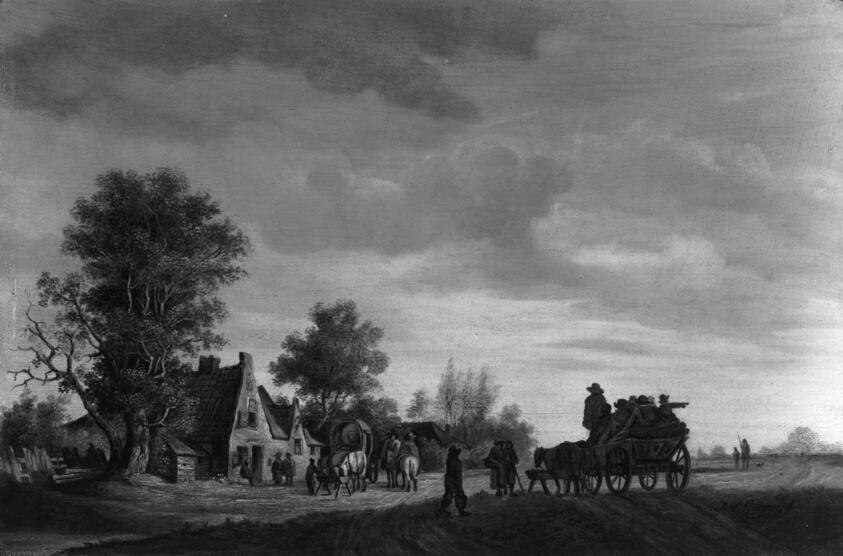
Pieter de Neyn
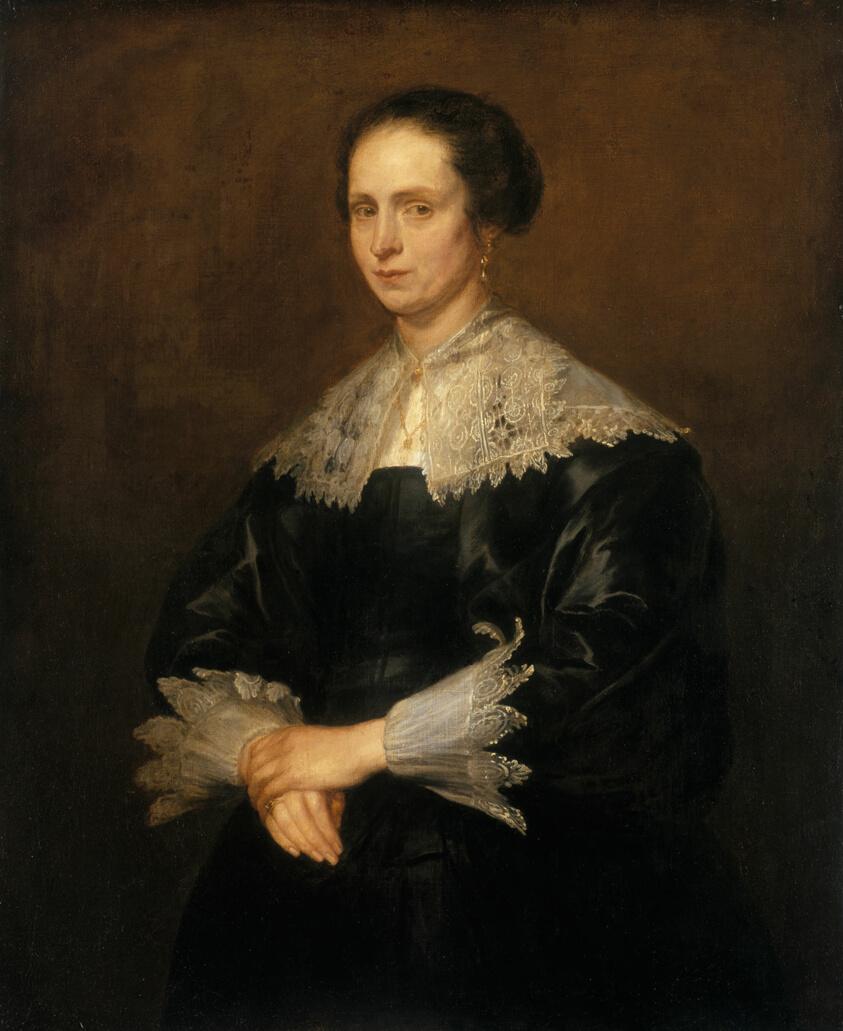
Attributed to Anthony van Dyck
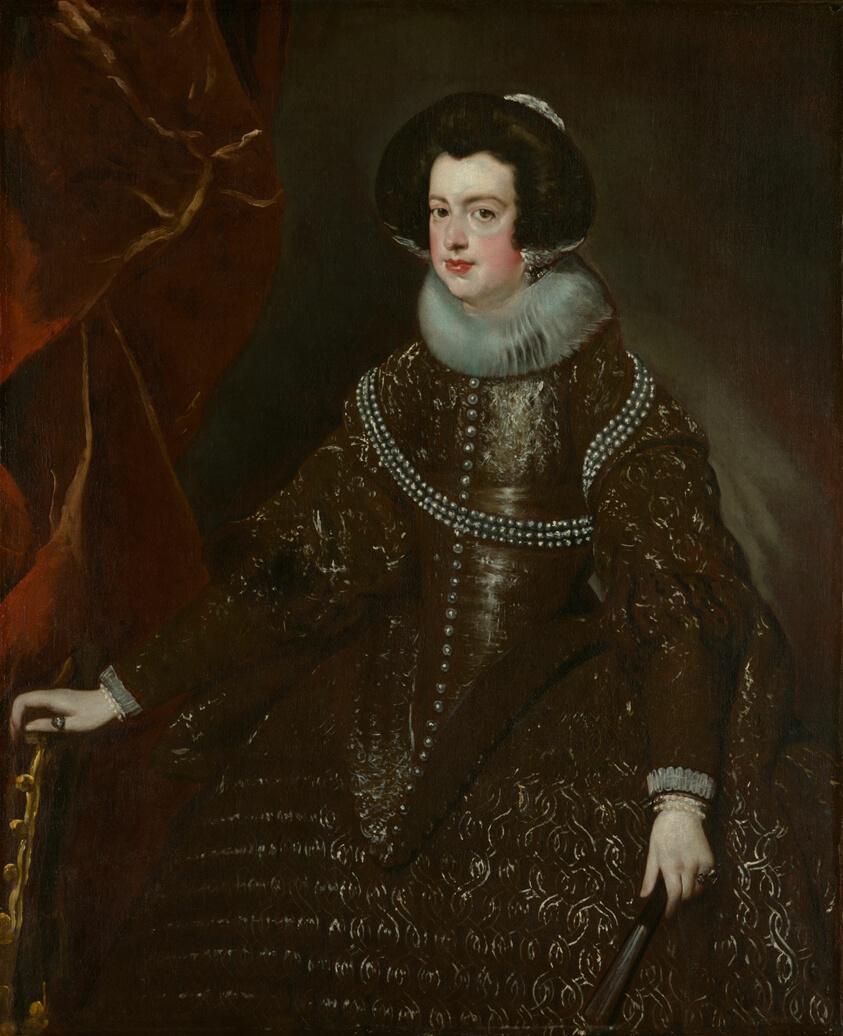
Workshop of Diego Velázquez
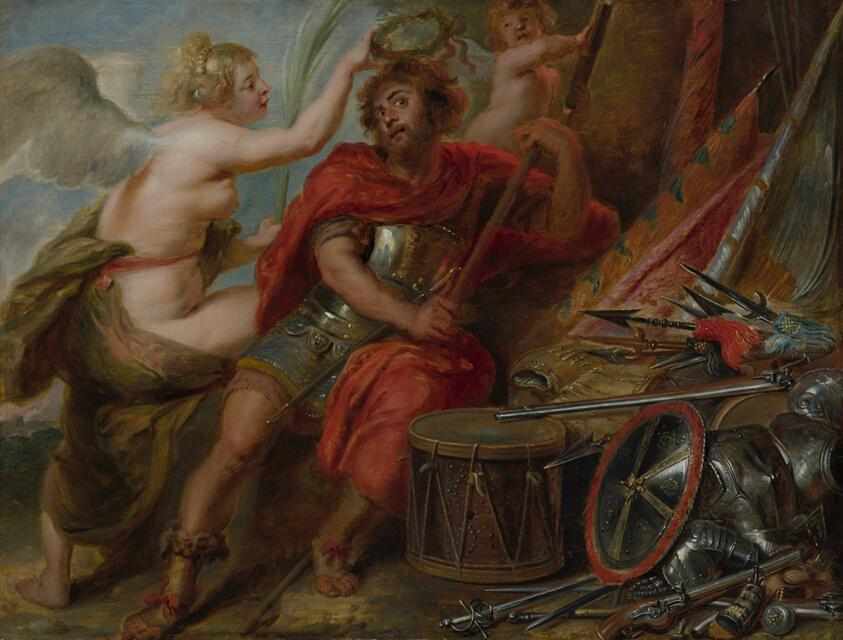
Follower of Peter Paul Rubens