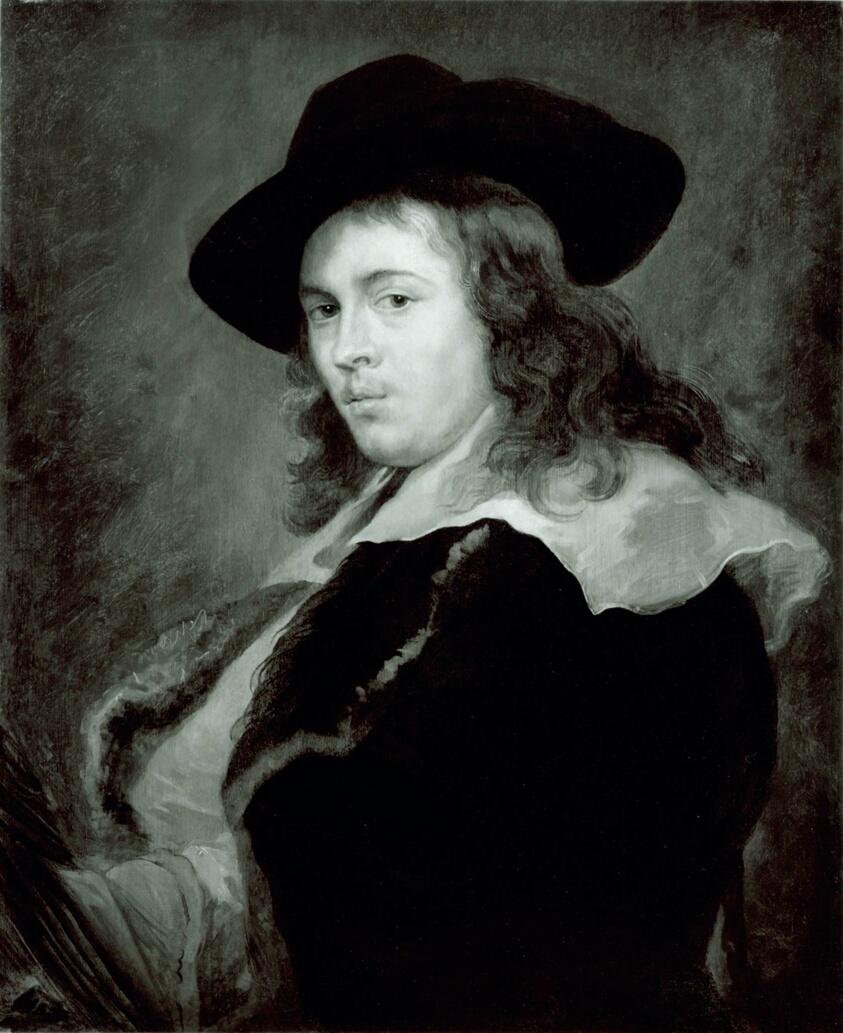
Nicolas Rubens, the Artist's Son
Attributed to Peter Paul Rubens
409 likes139 comments
Paintale uses cookies for essential site functionality and, where enabled, to serve relevant advertising via Google AdSense. You can accept all cookies or reject non-essential ones. See our Privacy Policy for details.
Now viewing
Still Life with Dead Game, Fruits, and Vegetables in a Market
Frans Snyders
Period
1600-1650
Theme
Daily Life
Medium
Oil on canvas
Current Location
Art Institute of Chicago, Chicago
The Story
This Flemish market stall overflowing with dead game is enlivened by fighting roosters, an aggressive cat, and a pickpocket. An early example of Frans Snyders’s animated combination of highly ornamental still-life elements with secondary figures and a low viewpoint, this scene might have adorned the dining room of an aristocratic collector. Snyders was the leading Flemish painter of monumental still lifes. He regularly collaborated with his fellow Antwerp artist Peter Paul Rubens, contributing fruits and animals to Rubens’s compositions.
Created in 1614 during the 1600-1650 period, this work belongs firmly within the daily life tradition. Frans Snyders worked at a moment when the rivalry between Catholic Baroque drama and Protestant restraint reshaped what a painting could mean. Every gesture, fabric, and gleam of light was decoded by contemporary viewers like a private language.
The physical object — Oil on canvas, 212 × 308 cm (83 1/2 × 121 1/4 in.); Framed: 251.5 × 348 × 10.2 cm (99 × 137 × 4 in.) — carries its own history of handling and restoration. Frans Snyders's brushwork here moves between exacting description and looser, more suggestive passages, a balance typical of Baroque studio practice.
Look closely and the painting opens up. Objects you might pass over — a folded letter, a half-drawn curtain, the angle of a glance — were placed to be read. Even the everyday is loaded: a basin, a candle, a worn shoe become small monuments to a vanished daily world.
Today the painting is held by Art Institute of Chicago in Chicago, where it remains a touchstone for understanding Frans Snyders's contribution to Western art. It has been studied, copied, restored, and argued over for centuries — proof that great paintings keep generating new readings long after their creators have gone.
“A silence so complete it becomes its own witness.”
This Flemish market stall overflowing with dead game is enlivened by fighting roosters, an aggressive cat, and a pickpocket. An early example of Frans Snyders’s animated combination of highly ornamental still-life elements with secondary figures and a low viewpoint, this scene might have adorned the dining room of an aristocratic collector. Snyders was the leading Flemish painter of monumental still lifes. He regularly collaborated with his fellow Antwerp artist Peter Paul Rubens, contributing fruits and animals to Rubens’s compositions.
Charles H. and Mary F. S. Worcester Collection
Technique: painting, oil painting, painting (image making), painting techniques.
Inscriptions: Inscribed lower right: F . SNYDERS . FECIT . 1614 ..
Olléon collection by late 19th century; by family descent to Jean Olléon, Paris until at least 1970 [according to letter from Hella Robels, dated July 31, 1988, in curatorial file]. Galerie Birtschansky, Paris, 1980. Galerie Maurice Segoura, New York, 1981; sold to the Art Institute, 1981.
Art Institute of Chicago, Chicago. View on the museum’s official page.
See more works at Art Institute of Chicago or browse the full Frans Snyders collection.
A restrained palette and sculptural lighting create a solemn geometry. The wooden crate and letter anchor the narrative with journalistic precision.
Sources
Keep Exploring
More paintings like this
Attributed to Peter Paul Rubens
Pieter Claesz
Pietro della Vecchia
Pieter de Neyn
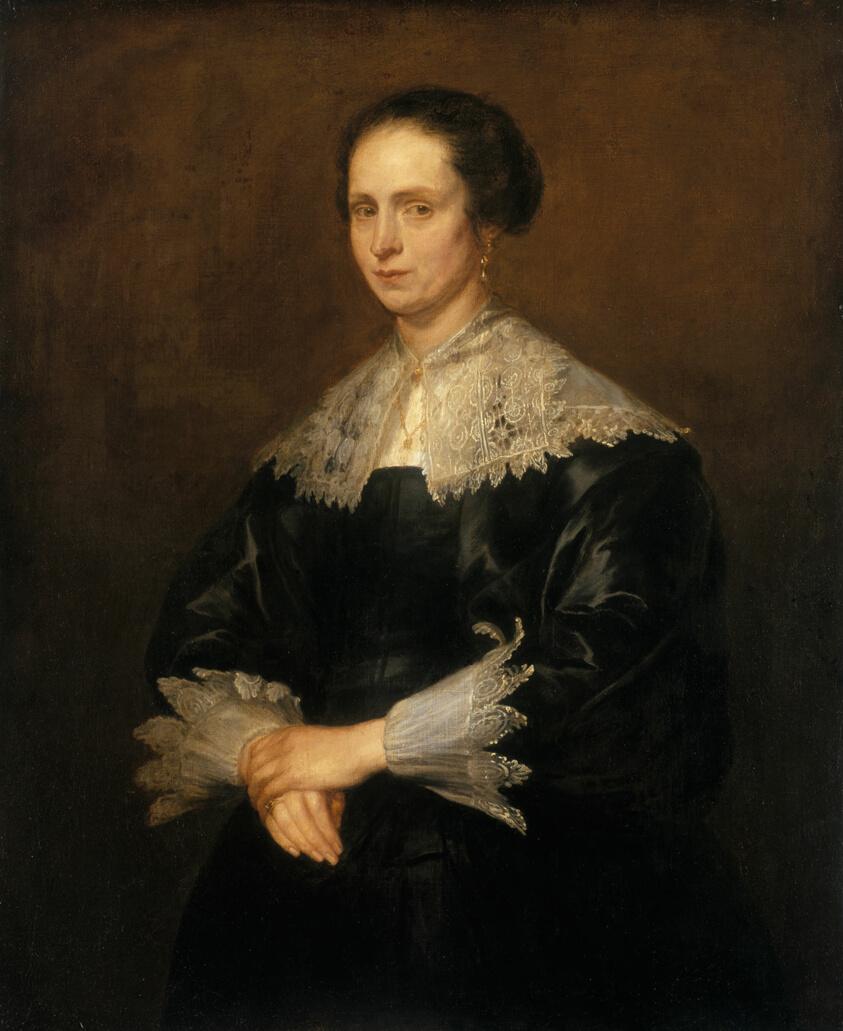
Attributed to Anthony van Dyck
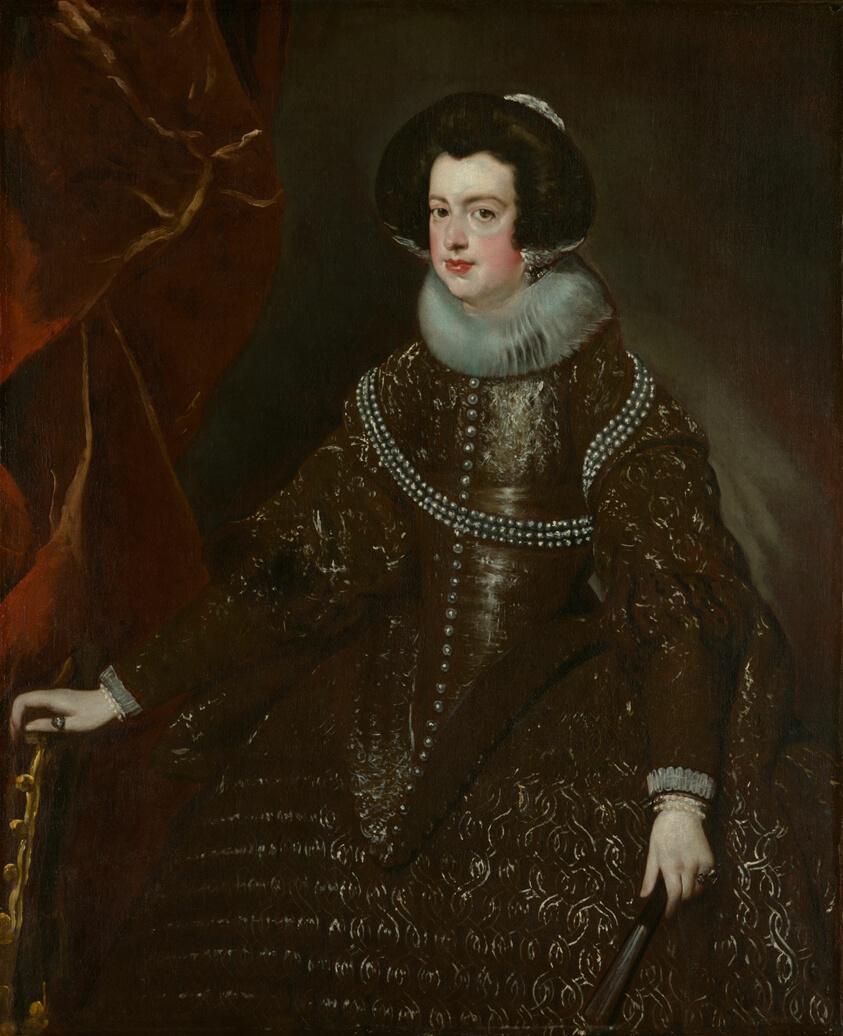
Workshop of Diego Velázquez
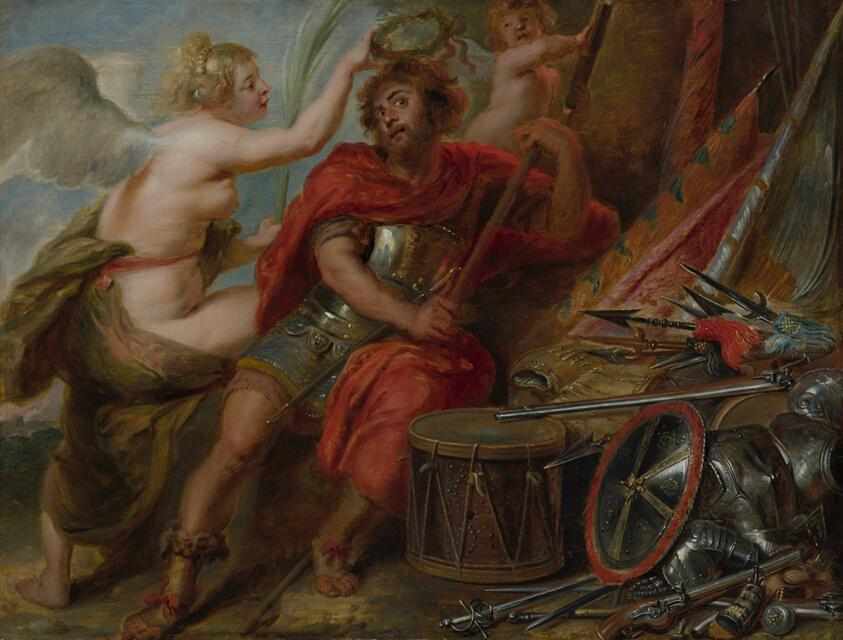
Follower of Peter Paul Rubens
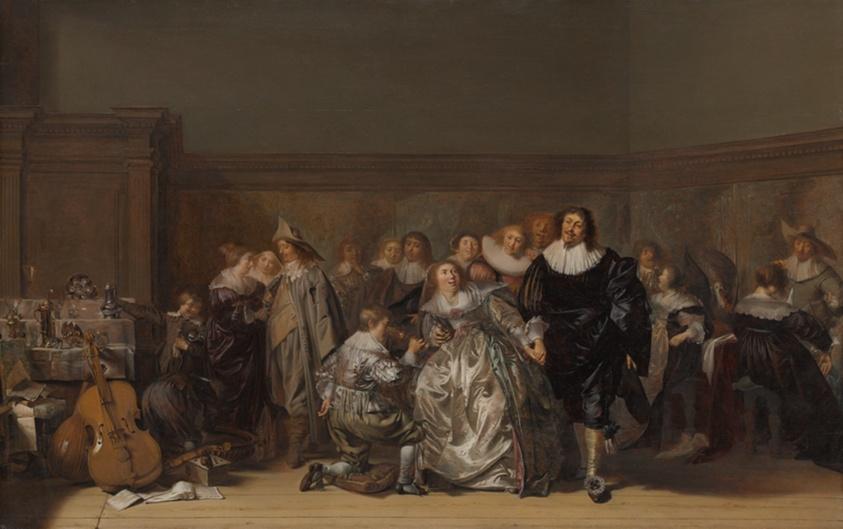
Pieter Codde