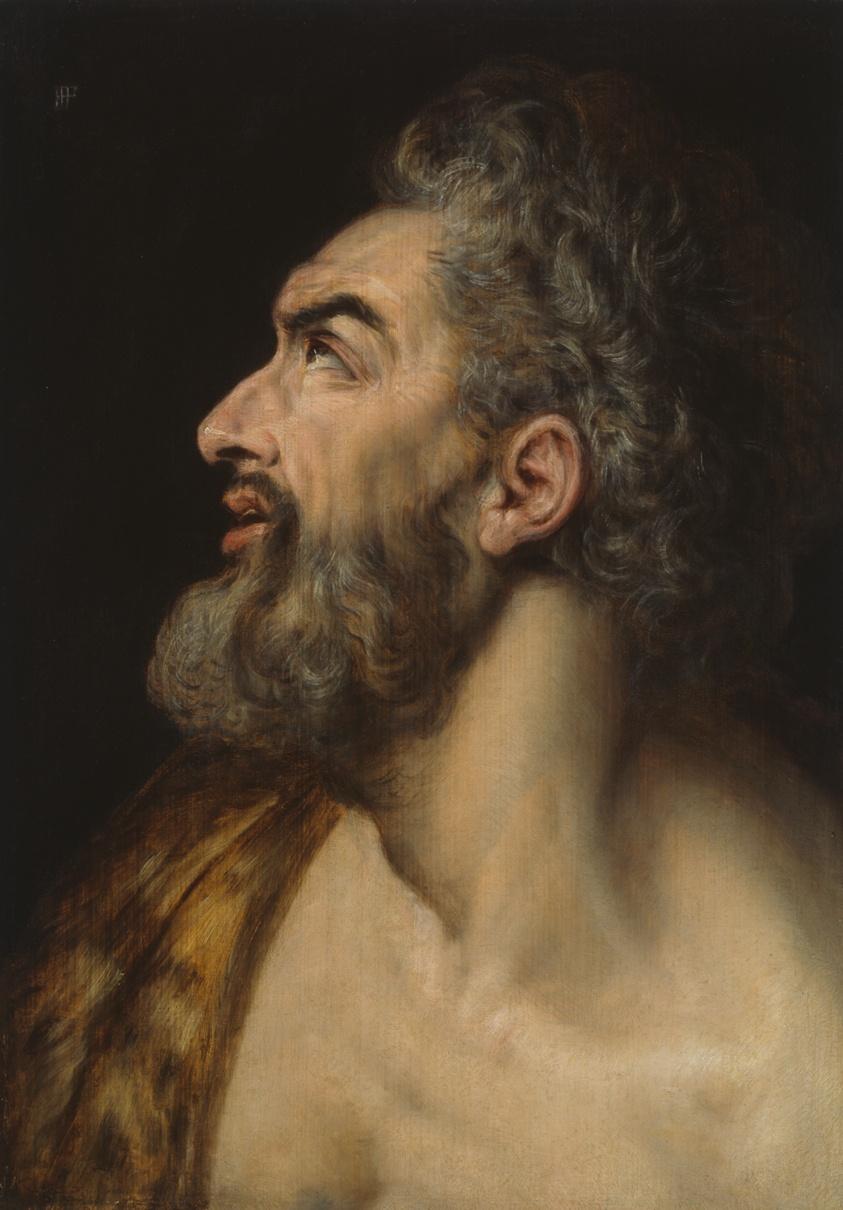
Study Head of a Bearded Man
Frans Floris, I
976 likes46 comments
Paintale uses cookies for essential site functionality and, where enabled, to serve relevant advertising via Google AdSense. You can accept all cookies or reject non-essential ones. See our Privacy Policy for details.
Now viewing
Portrait of a Lady of the Wentworth Family (Probably Jane Cheyne)
Hans Eworth
Period
1550-1600
Theme
Portrait
Medium
Oil on panel
Current Location
Art Institute of Chicago, Chicago
The Story
Portrait of a Lady of the Wentworth Family (Probably Jane Cheyne) is one of the most evocative works by Hans Eworth, painted around 1563. The canvas distills the obsessions of the 1550-1600 era — patrons, faith, power, and the fragile theatre of human emotion — into a single, charged image.
Created in 1563 during the 1550-1600 period, this work belongs firmly within the portrait tradition. Hans Eworth worked at a moment when the rediscovery of classical antiquity reshaped what a painting could mean. Every gesture, fabric, and gleam of light was decoded by contemporary viewers like a private language.
As Oil on panel (110.6 × 79.5 cm (43 9/16 × 31 5/16 in.); Framed: 139.7 × 108 × 10.2 cm (55 × 42 1/2 × 4 in.)), the work shows the tool marks and layering choices typical of Hans Eworth's output in this period — decisions about ground, underpainting, and glaze that a photograph can only partly convey.
Look closely and the painting opens up. Objects you might pass over — a folded letter, a half-drawn curtain, the angle of a glance — were placed to be read. The sitter is constructed: clothes, pose, and attributes were chosen to project status, virtue, and lineage.
Today the painting is held by Art Institute of Chicago in Chicago, where it remains a touchstone for understanding Hans Eworth's contribution to Western art. It has been studied, copied, restored, and argued over for centuries — proof that great paintings keep generating new readings long after their creators have gone.
“A silence so complete it becomes its own witness.”
Gift of Kate S. Buckingham
Technique: panel painting, oil painting, painting, painting (image making), painting techniques.
Inscriptions: Inscribed: AETATIS 24 / 1563 / HE (on tablet at upper right); coat of arms of the Wentworth (upper left).
Probably Thomas Wentworth, Lord Raby, 1st Earl of Strafford of the second creation (d. 1737), Wentworth Castle. Barnsley, North Yorkshire, as part of the settlement of the Toddington estate inherited by his wife, Anne Johnson (d. 1754) [see William Loftie Rutton, Three Branches of the Family of Wentworth, London, 1891, p. 116 and Jones in Wolff et al., 2008, pp. 320, 323]; presumably by descent to Frederick William Thomas Vernon-Wentworth (d. 1885), Wen-tworth Castle, Barnsley, North Yorkshire, by 1866 [lent by him to London 1866]; by descent to Captain Bruce C. Vernon-Wentworth; sold, Christie’s, London, Nov. 13, 1919, no. 53, to Mr. Sulley, a dealer of Grosvenor Street [according to Ellis Waterhouse’s notation in copy of London 1866 at Getty Research Center]; Knoedler, London and New York, 1920 [letter from Knoedler dated Dec. 21, 1920 in Art Institute Archives]; sold to Kate S. Bucking-ham for £2,000, 1920; given to the AIC, 1920.
Art Institute of Chicago, Chicago. View on the museum’s official page.
See more works at Art Institute of Chicago or browse the full Hans Eworth collection.
A restrained palette and sculptural lighting create a solemn geometry. The wooden crate and letter anchor the narrative with journalistic precision.
Sources
Keep Exploring
More paintings like this
Frans Floris, I
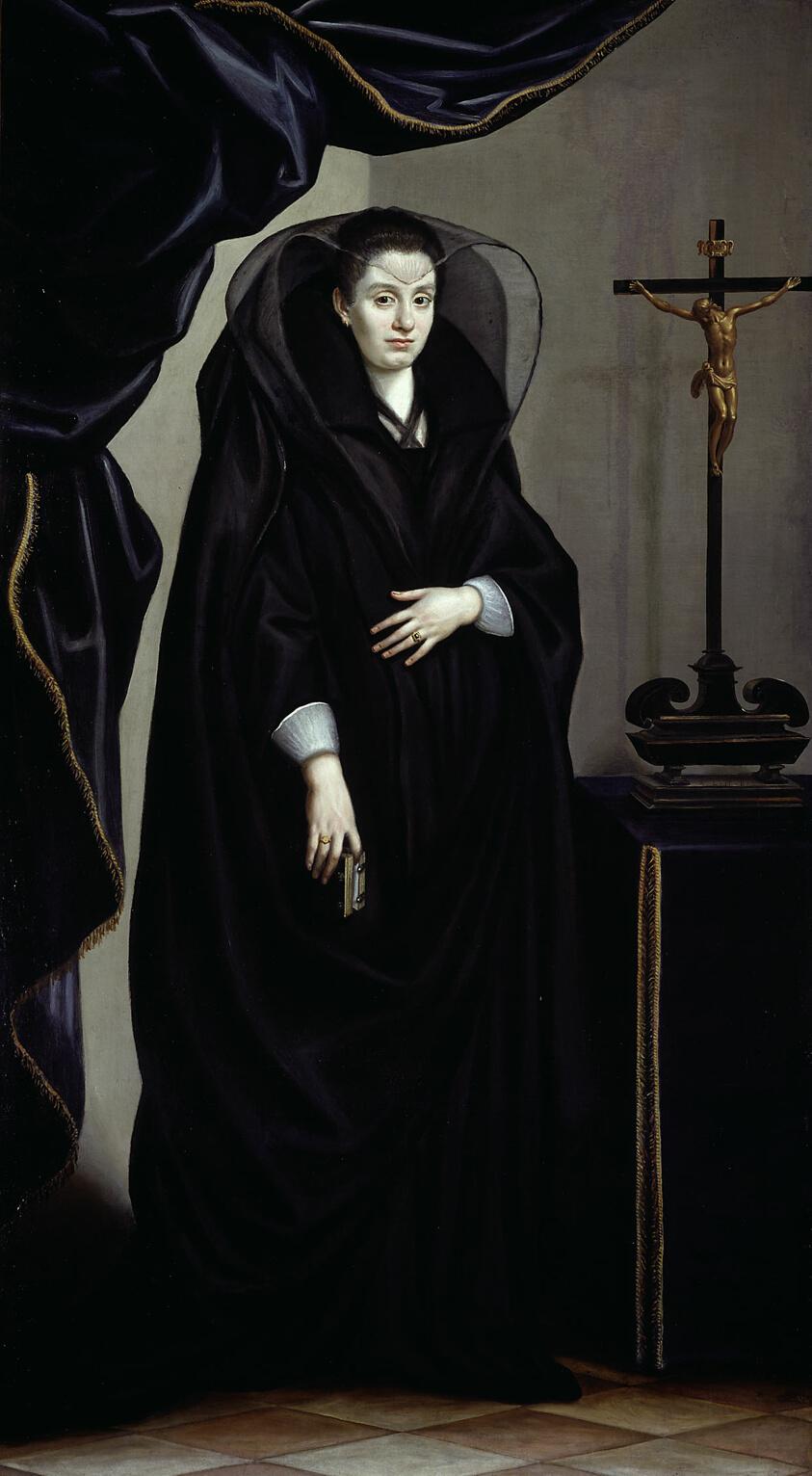
Jacopo da Empoli
Follower of Jacob Jordaens
Anonymous
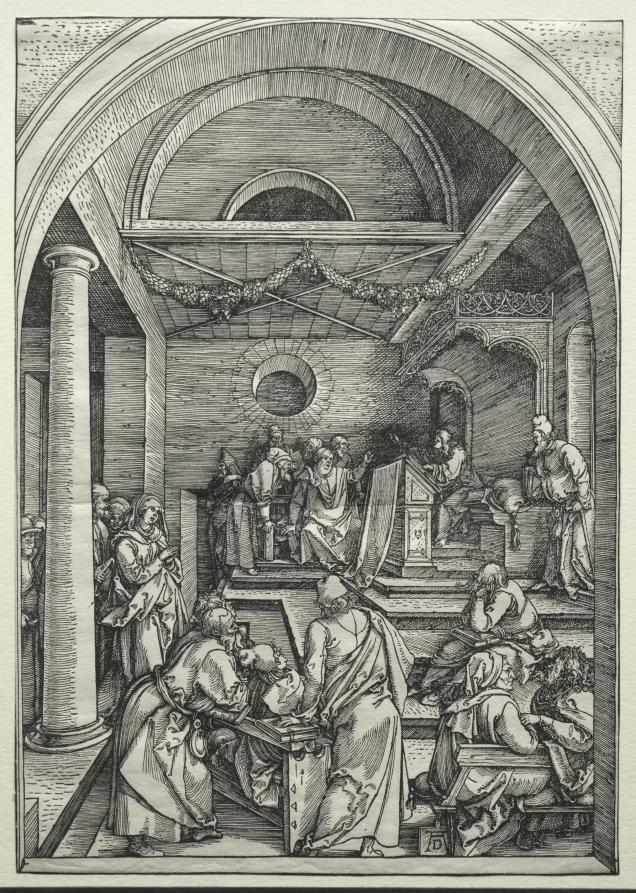
Albrecht Dürer
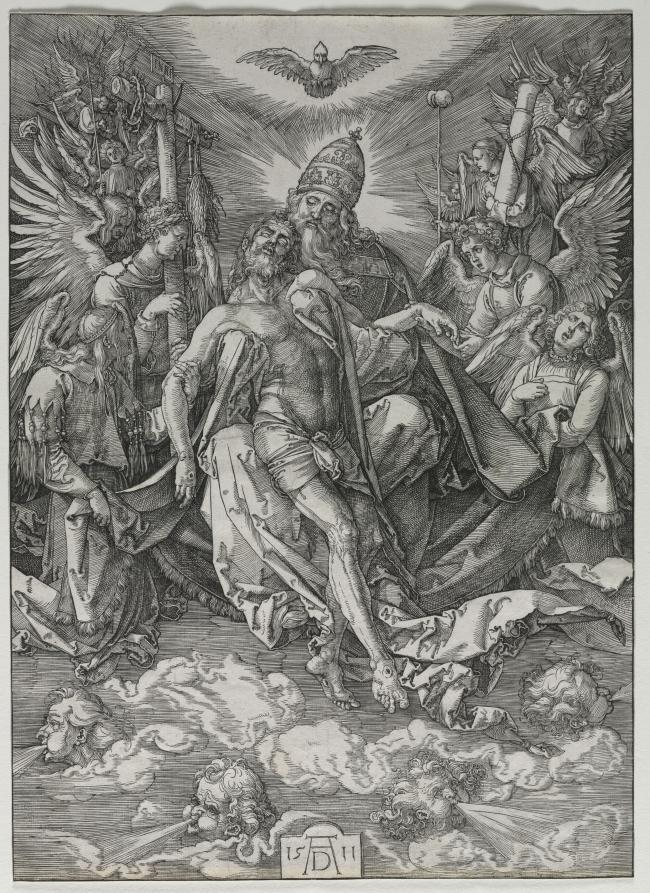
Albrecht Dürer
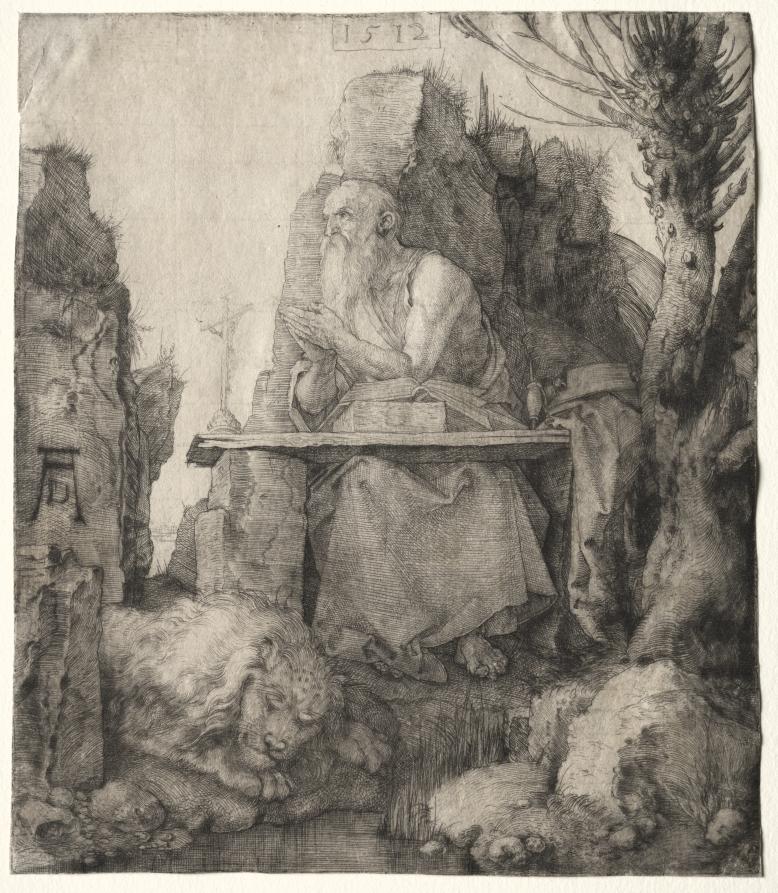
Albrecht Dürer
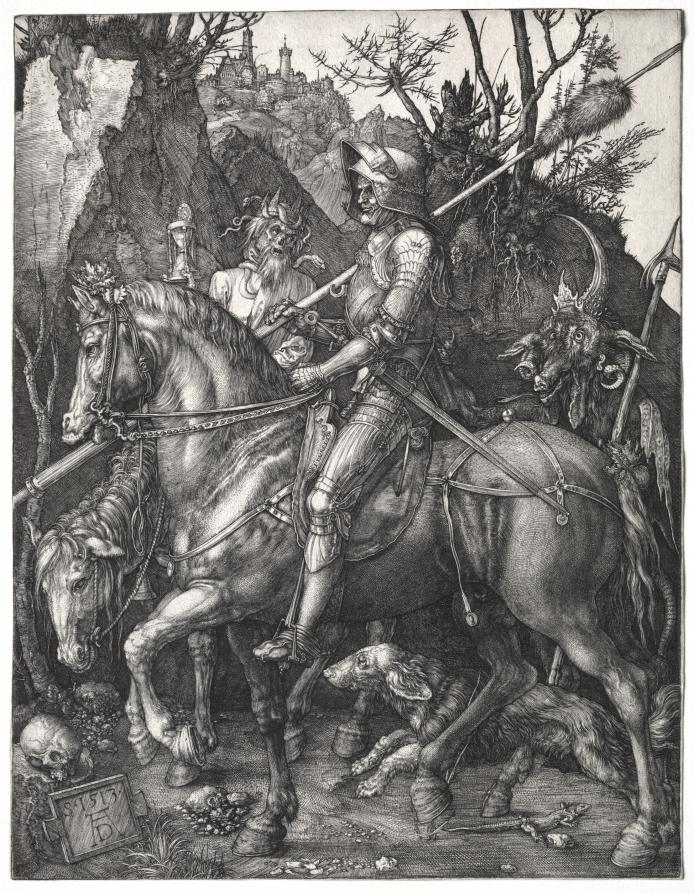
Albrecht Dürer