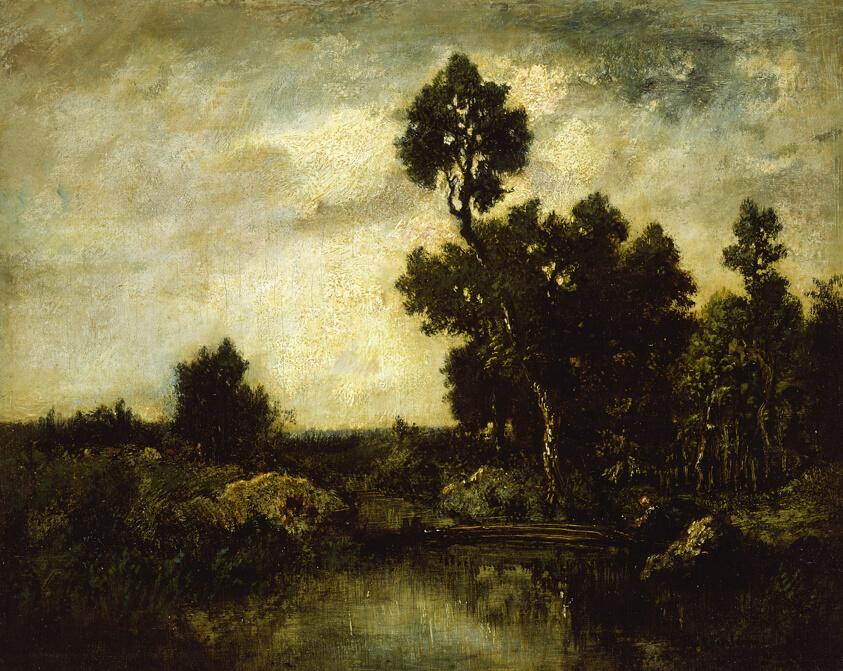
Landscape
Théodore Rousseau
1346 likes76 comments
Paintale uses cookies for essential site functionality and, where enabled, to serve relevant advertising via Google AdSense. You can accept all cookies or reject non-essential ones. See our Privacy Policy for details.
Now viewing
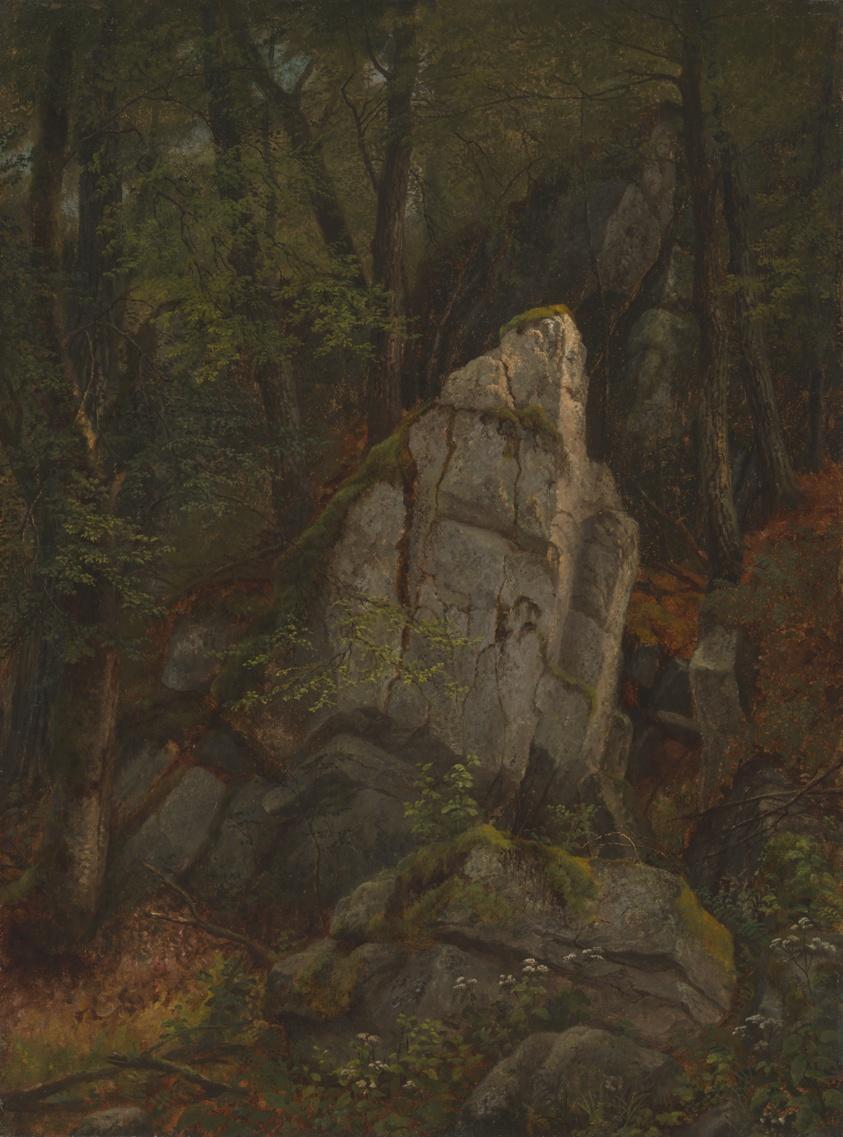
Wooded Landscape
Gustave Courbet
Period
1831-1870
Theme
Landscape
Medium
Oil on canvas
Current Location
Art Institute of Chicago, Chicago
The Story
Wooded Landscape is one of the most evocative works by Gustave Courbet, painted around 1860. The canvas distills the obsessions of the 1831-1870 era — patrons, faith, power, and the fragile theatre of human emotion — into a single, charged image.
Created in 1860, this work belongs firmly within the landscape tradition of American painting. Gustave Courbet worked at a moment when the young republic was still deciding what its own art should look like — how much to borrow from Europe, how much to invent from its own landscape and daily life. Every gesture, fabric, and gleam of light was pitched at an audience learning to take American subjects seriously.
As Oil on canvas (49.5 × 59.4 cm (19 1/2 × 23 3/8 in.); Framed: 63.2 × 73.1 × 7.7 cm (24 7/8 × 28 3/4 × 3 in.)), the work shows the tool marks and layering choices typical of Gustave Courbet's output in this period — decisions about ground, underpainting, and glaze that a photograph can only partly convey.
Look closely and the painting opens up. Objects you might pass over — a folded letter, a half-drawn curtain, the angle of a glance — were placed to be read. What reads as a faithful record of a place is also a composition: foreground, middle distance, and horizon are arranged to pull the eye on a deliberate path through the scene.
Art Institute of Chicago in Chicago now holds the work, where conservators and historians continue to revisit its condition and attribution. Each generation of scholarship adds a layer to how Gustave Courbet's output from this period is understood.
“A silence so complete it becomes its own witness.”
Gift of Mrs. Siegfried Schmidt
Technique: oil painting, painting, painting (image making), painting techniques.
Inscriptions: Signed lower left: G.Courbet.
Mrs. H. O. Havemeyer (died 1929), New York, to 1930; her sale, American Art Association and Andersen Galleries, Inc., April 10, 1930, no. 68, as Verdure d’Automne for $550 [price according to an annotated copy of the sale catalogue in the Ryerson Library, Art Institute]. Mrs. Siegfried G. Schmidt, Chicago; given to the Art Institute, 1968.
Art Institute of Chicago, Chicago. View on the museum’s official page.
See more works at Art Institute of Chicago or browse the full Gustave Courbet collection.
A restrained palette and sculptural lighting create a solemn geometry. The wooden crate and letter anchor the narrative with journalistic precision.
Sources
Keep Exploring
More paintings like this
Théodore Rousseau
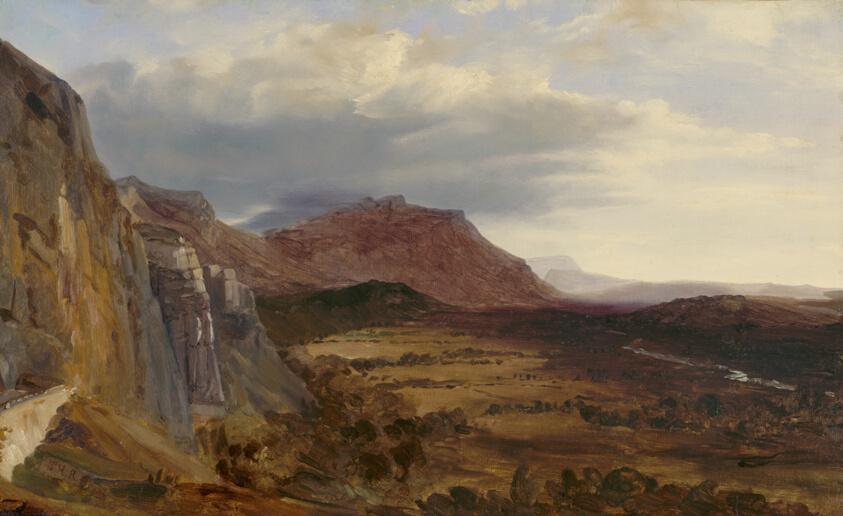
Théodore Rousseau
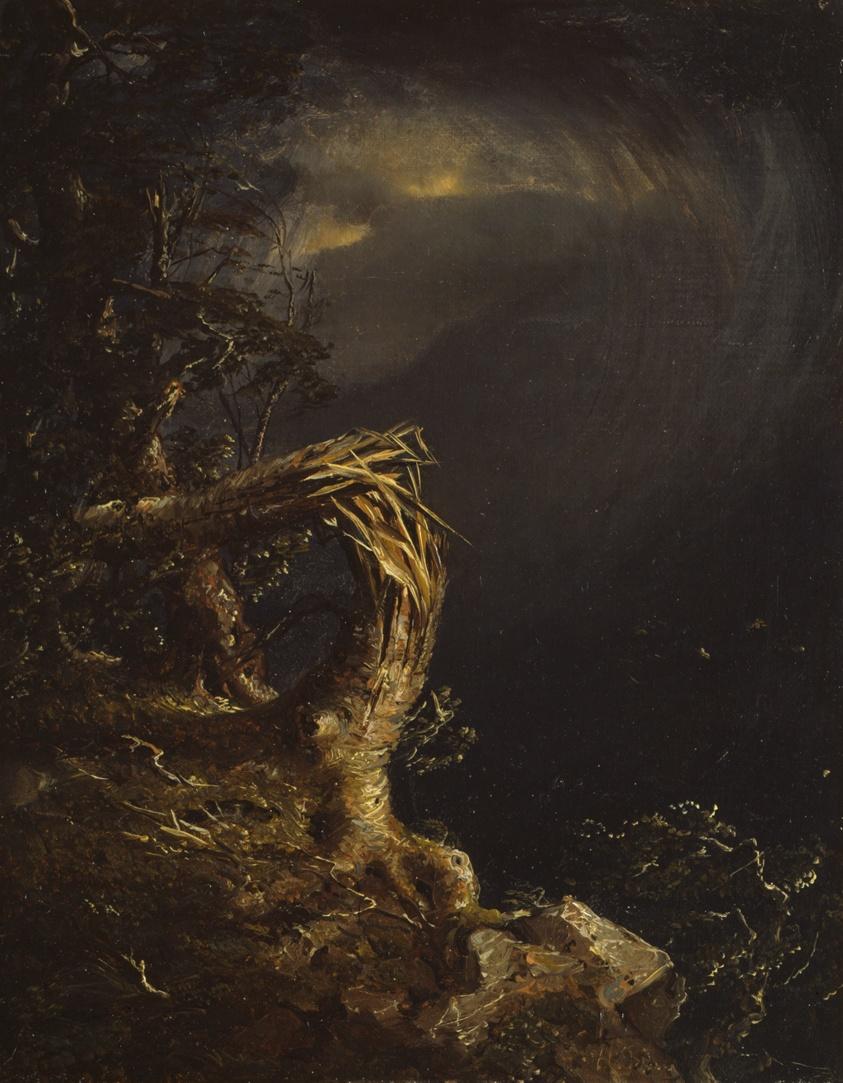
Jasper Francis Cropsey
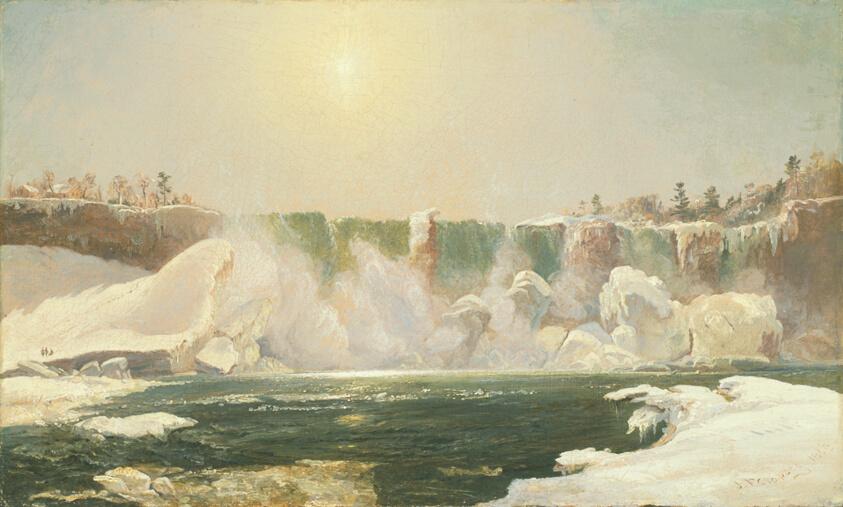
Jasper Francis Cropsey American
Asher B. Durand American
Sanford Robinson Gifford
Thomas Cole
Thomas Doughty American