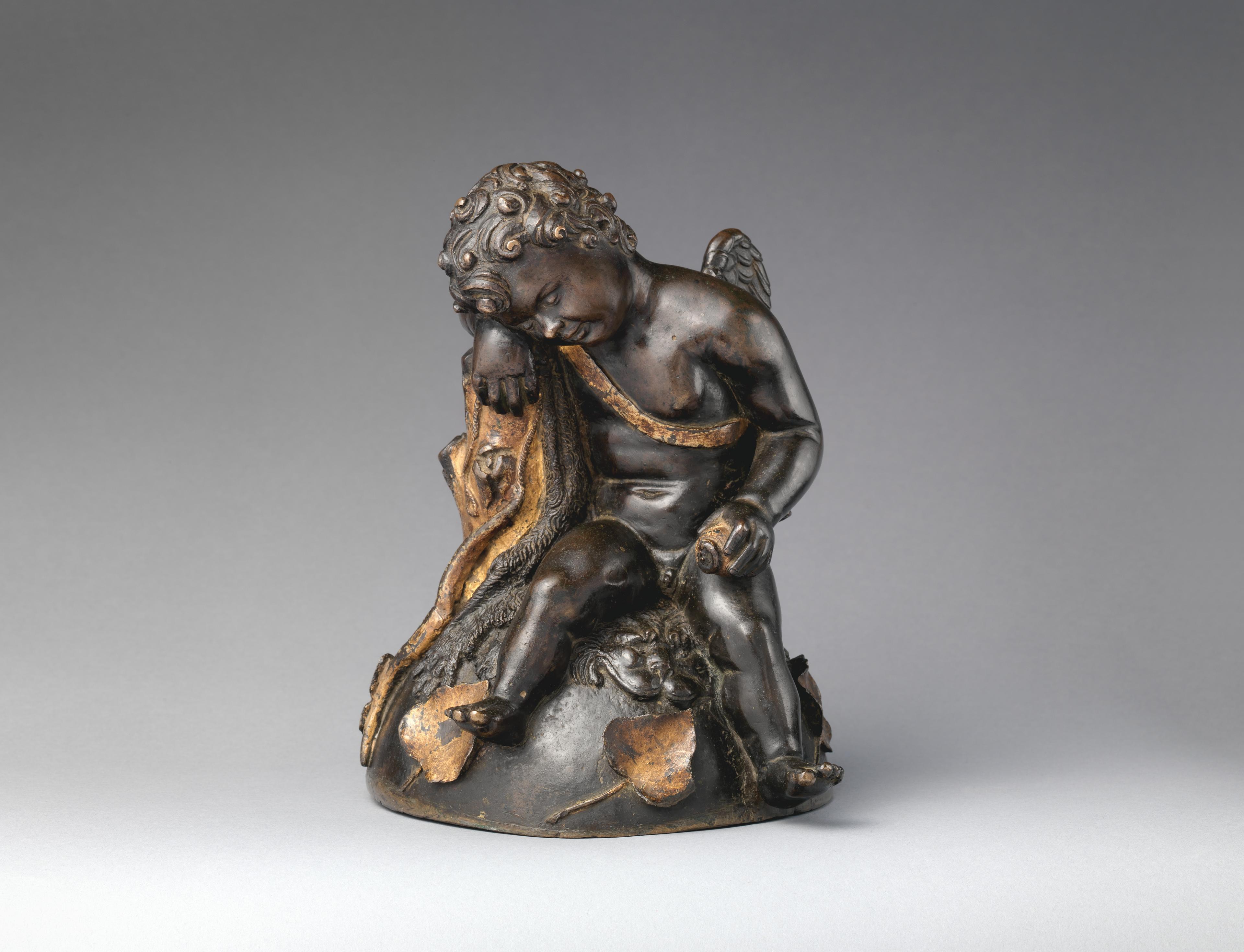
Sleeping Cupid
Caravaggio
1087 likes57 comments
Paintale uses cookies for essential site functionality and, where enabled, to serve relevant advertising via Google AdSense. You can accept all cookies or reject non-essential ones. See our Privacy Policy for details.
Now viewing
The Temptation of Saint Jerome
Giorgio Vasari
Period
1500-1550
Theme
Love & Romance
Medium
Oil on panel
Current Location
Art Institute of Chicago, Chicago
The Story
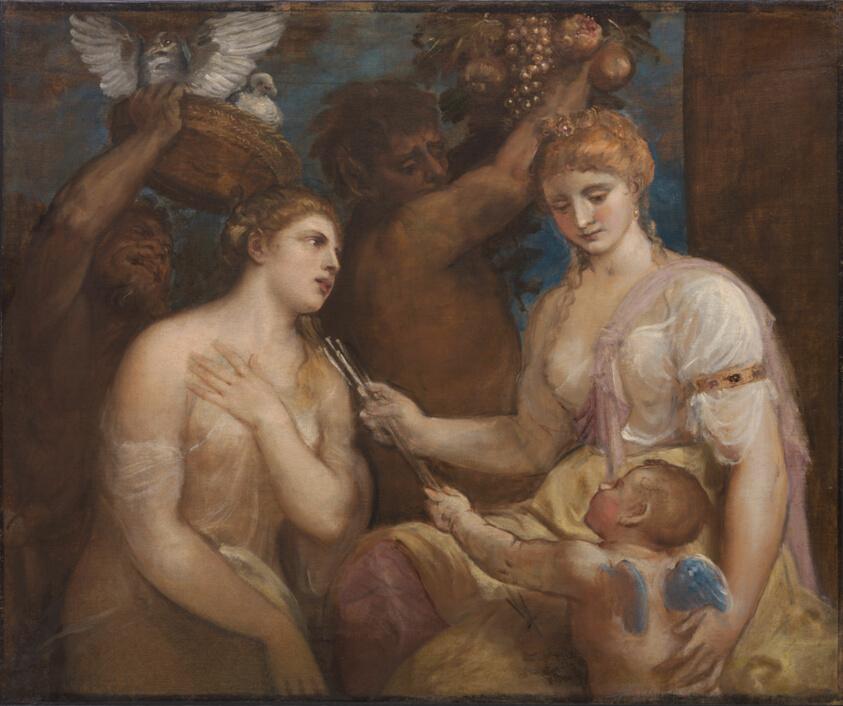
Giorgio Vasari is best known as the author of Lives of the Most Excellent Painters, Sculptors, and Architects, a monumental compendium of artist biographies. He was also a successful architect and a prolific painter for the Medici dukes of Florence. Here, he depicted an episode from the life of Saint Jerome, a scholar, translator of the Bible, and advocate of monasticism, an ascetic lifestyle dedicated to spiritual contemplation.
While meditating in the desert, he was assailed by tempting visions, here personified as Venus, the Roman goddess of love, accompanied by cupids. The work is unfinished: The black-chalk grid, used as an aid in enlarging and transferring the preparatory drawing onto the panel, is still visible through the thinly applied initial paint layers.
As Oil on panel (166.5 × 121.9 cm (65 1/2 × 48 in.); Framed: 203.9 × 161.3 × 15.3 cm (80 1/4 × 63 1/2 × 6 in.)), the work shows the tool marks and layering choices typical of Giorgio Vasari's output in this period — decisions about ground, underpainting, and glaze that a photograph can only partly convey.
Look closely and the painting opens up. Objects you might pass over — a folded letter, a half-drawn curtain, the angle of a glance — were placed to be read. Small objects scattered through the composition — a ring, a glance, a half-open door — carry the emotional plot.
Today the painting is held by Art Institute of Chicago in Chicago, where it remains a touchstone for understanding Giorgio Vasari's contribution to Western art. It has been studied, copied, restored, and argued over for centuries — proof that great paintings keep generating new readings long after their creators have gone.
“A silence so complete it becomes its own witness.”
Giorgio Vasari is best known as the author of Lives of the Most Excellent Painters, Sculptors, and Architects, a monumental compendium of artist biographies. He was also a successful architect and a prolific painter for the Medici dukes of Florence. Here, he depicted an episode from the life of Saint Jerome, a scholar, translator of the Bible, and advocate of monasticism, an ascetic lifestyle dedicated to spiritual contemplation. While meditating in the desert, he was assailed by tempting visions, here personified as Venus, the Roman goddess of love, accompanied by cupids. The work is unfinished: The black-chalk grid, used as an aid in enlarging and transferring the preparatory drawing onto the panel, is still visible through the thinly applied initial paint layers.
Charles H. and Mary F. S. Worcester Collection
Technique: oil painting, panel painting, painting techniques, painting (image making), painting.
Miss M. M. Webber until 1963; sold Sotheby’s, London, July 3, 1963, no. 89 (ill.) to Patch for £3800 [according to letter of October 10, 2000, from Camilla Harris, Sotheby’s, who also identified Patch as Weitzner]; Julius Weitzner, London; purchased by the Art Institute through Charles H. and Mary F.S. Worcester Collection Fund, 1964
Art Institute of Chicago, Chicago. View on the museum’s official page.
See more works at Art Institute of Chicago or browse the full Giorgio Vasari collection.
A restrained palette and sculptural lighting create a solemn geometry. The wooden crate and letter anchor the narrative with journalistic precision.
Sources
Keep Exploring
More paintings like this
Caravaggio

Sandro Botticelli

Sandro Botticelli
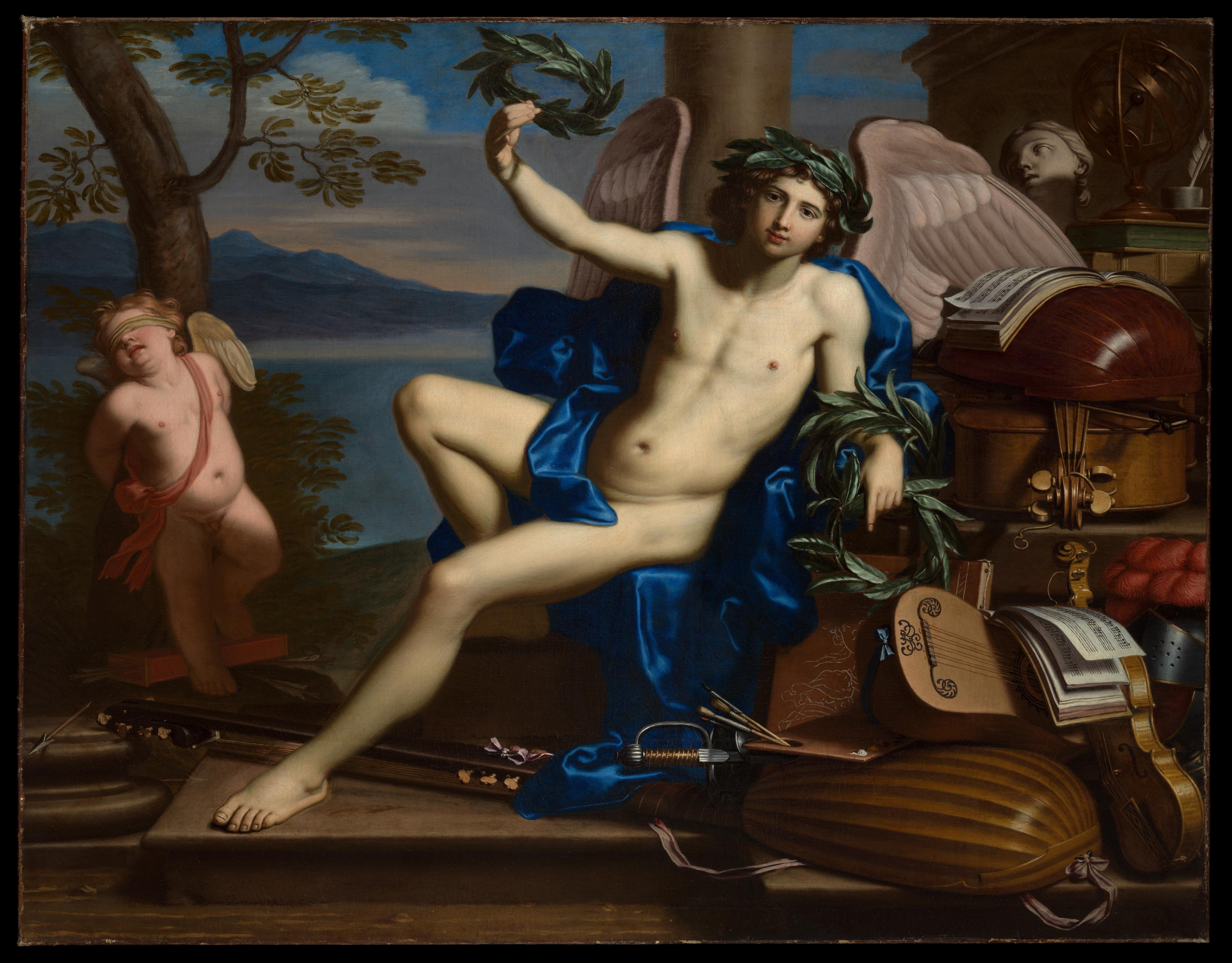
Michele Desubleo

Hieronymus Bosch
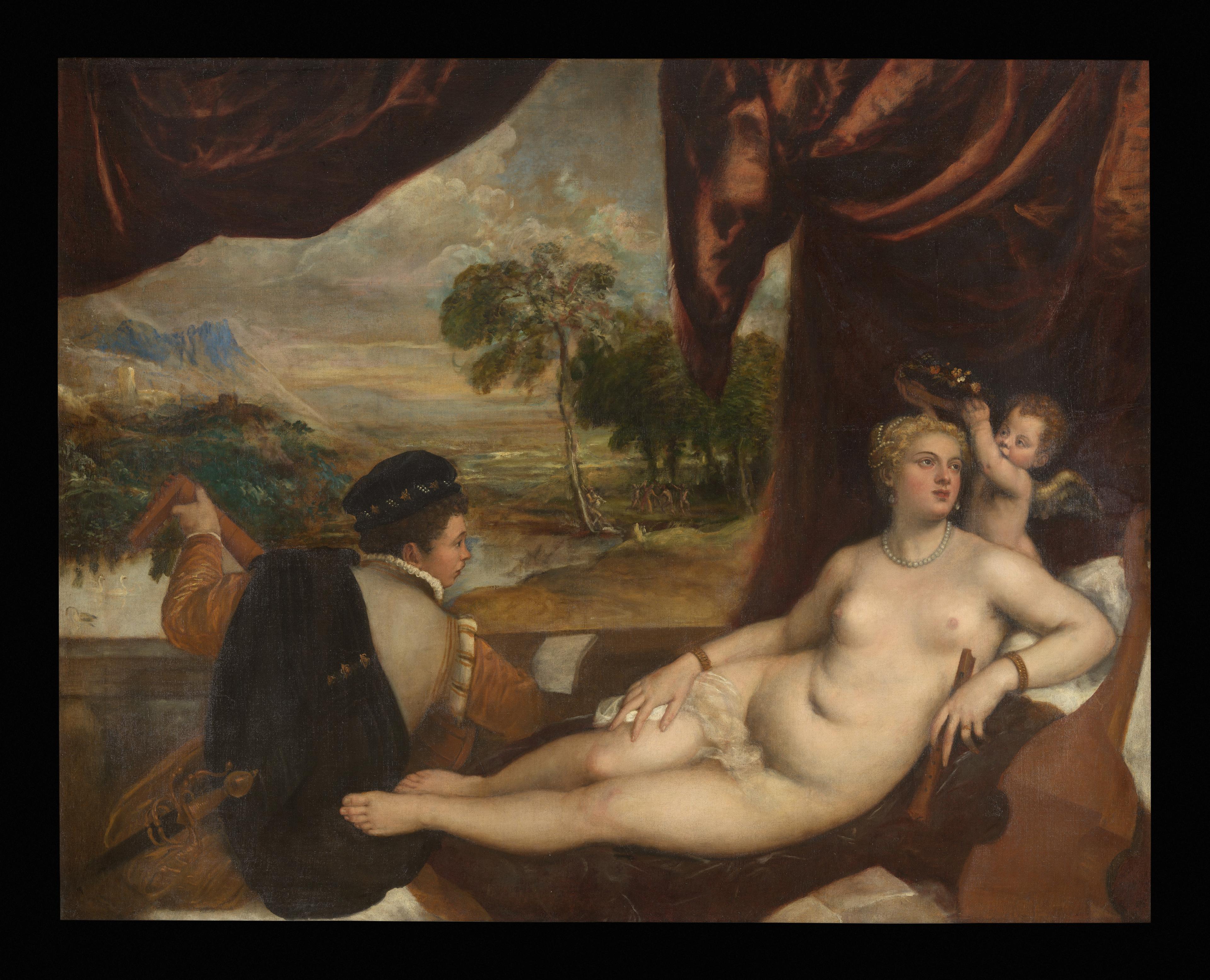
Titian
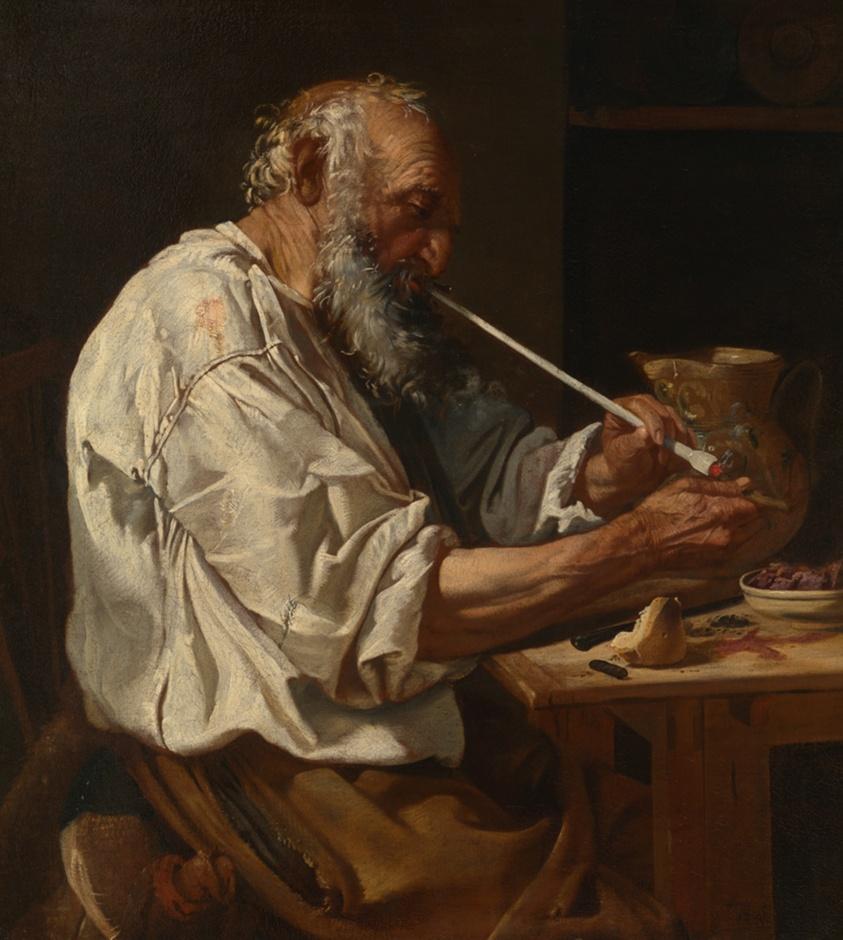
Johann Carl Loth
Imitator of Titian