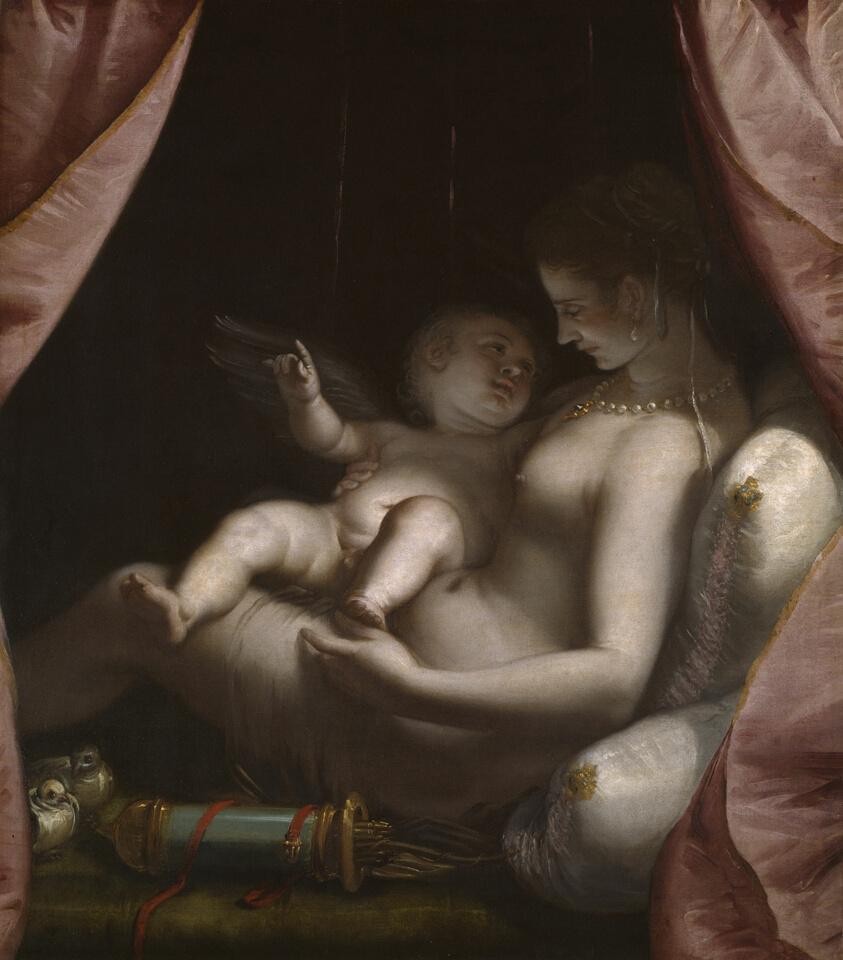
Venus and Cupid
Luca Cambiaso
1367 likes57 comments
Paintale uses cookies for essential site functionality and, where enabled, to serve relevant advertising via Google AdSense. You can accept all cookies or reject non-essential ones. See our Privacy Policy for details.
Now viewing
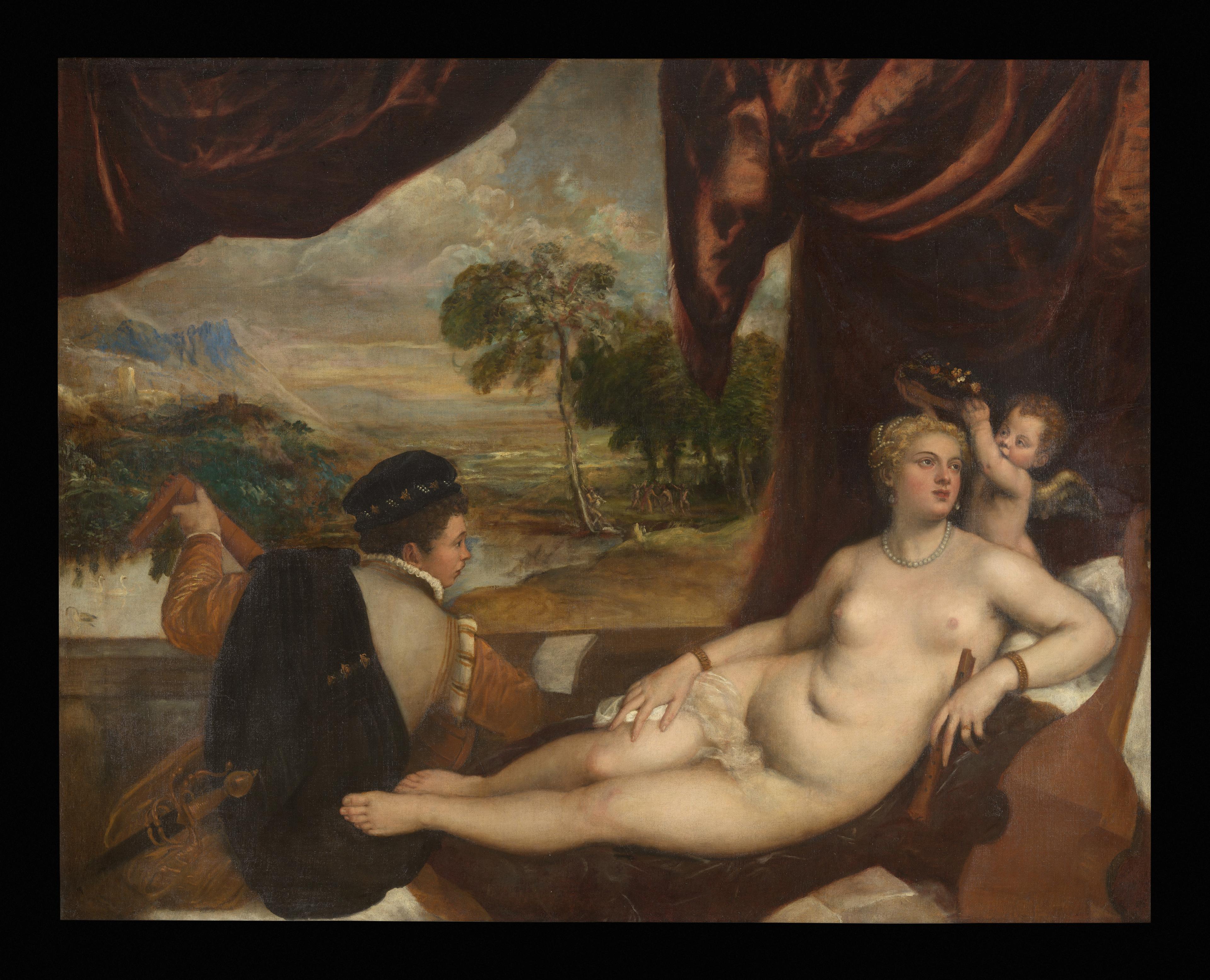
Allegory of Venus and Cupid
Imitator of Titian
Period
1550-1600
Theme
Love & Romance
Medium
Oil on canvas
Current Location
Art Institute of Chicago, Chicago
The Story
Allegory of Venus and Cupid is one of the most evocative works by Imitator of Titian, painted around 1595. The canvas distills the obsessions of the 1550-1600 era — patrons, faith, power, and the fragile theatre of human emotion — into a single, charged image.
Created in 1595 during the 1550-1600 period, this work belongs firmly within the love & romance tradition. Imitator of Titian worked at a moment when the rediscovery of classical antiquity reshaped what a painting could mean. Every gesture, fabric, and gleam of light was decoded by contemporary viewers like a private language.
The physical object — Oil on canvas, 129.9 × 155.3 cm (51 1/8 × 61 1/8 in.) — carries its own history of handling and restoration. Imitator of Titian's brushwork here moves between exacting description and looser, more suggestive passages, a balance typical of Renaissance studio practice.
Look closely and the painting opens up. Objects you might pass over — a folded letter, a half-drawn curtain, the angle of a glance — were placed to be read. The scene trades in a shared visual shorthand for courtship and longing that period audiences would have decoded instantly.
Art Institute of Chicago in Chicago now holds the work, where conservators and historians continue to revisit its condition and attribution. Each generation of scholarship adds a layer to how Imitator of Titian's output from this period is understood.
“A silence so complete it becomes its own witness.”
Charles H. and Mary F. S. Worcester Collection
Technique: oil painting, painting techniques, painting (image making), painting.
Francis, eighth Earl of Wemyss (died 1853), Gosford House, Longniddry, East Lothian, Scotland, by 1835 [lent by him to London, 1835; see A. Graves, A Century of Loan Exhibition, 1813–1912, New York [1968], vol. 3, pp. 1318–19]; by descent to Hugo Richard, eleventh Earl of Wemyss; sold by him to Wildenstein, Paris, 1927 [according to Ay-Whang Hsia, Wildenstein, New York, in conversation with Lisa Dunn, October 11, 1991]; Baron Heinrich Thyssen-Bornemisza, by 1930 [Valentiner 1930; the identity of the owner is given in a letter of February 3, 1937 from Felix Wildenstein to Daniel Catton Rich in curatorial file]; Wildenstein, Paris and New York, by 1935 [Ay-Whang Hsia interpreted the Wildenstein stock books as indicating that the purchaser of the painting – i.e. Thyssen, though no name is given–returned the paintings to Wildenstein in the mid 1930s; see Lisa Dunn’s note of telephone conversation cited above]; sold by Wildenstein to Charles H. Worcester, Chicago, 1936 [according to correspondence from Felix Wildenstein to Robert B. Harshe of June 8, 1936, and from Charles H. Worcester to Felix Wildenstein of November 21, 1936, in curatorial file]; on loan to the Art Institute from 1936; given to the Art Institute, 1943.
Art Institute of Chicago, Chicago. View on the museum’s official page.
See more works at Art Institute of Chicago or browse the full Imitator of Titian collection.
A restrained palette and sculptural lighting create a solemn geometry. The wooden crate and letter anchor the narrative with journalistic precision.
Sources
Keep Exploring
More paintings like this
Luca Cambiaso
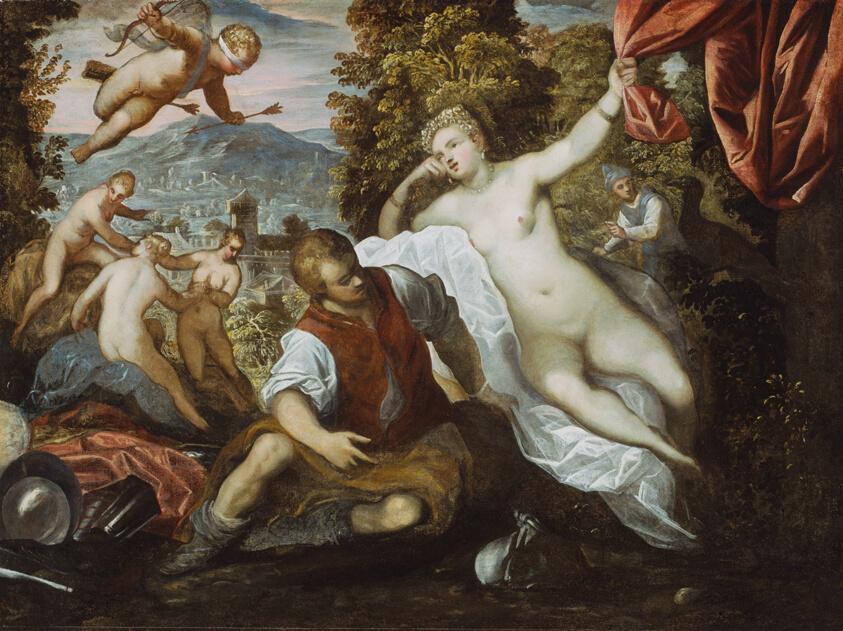
Domenico Tintoretto
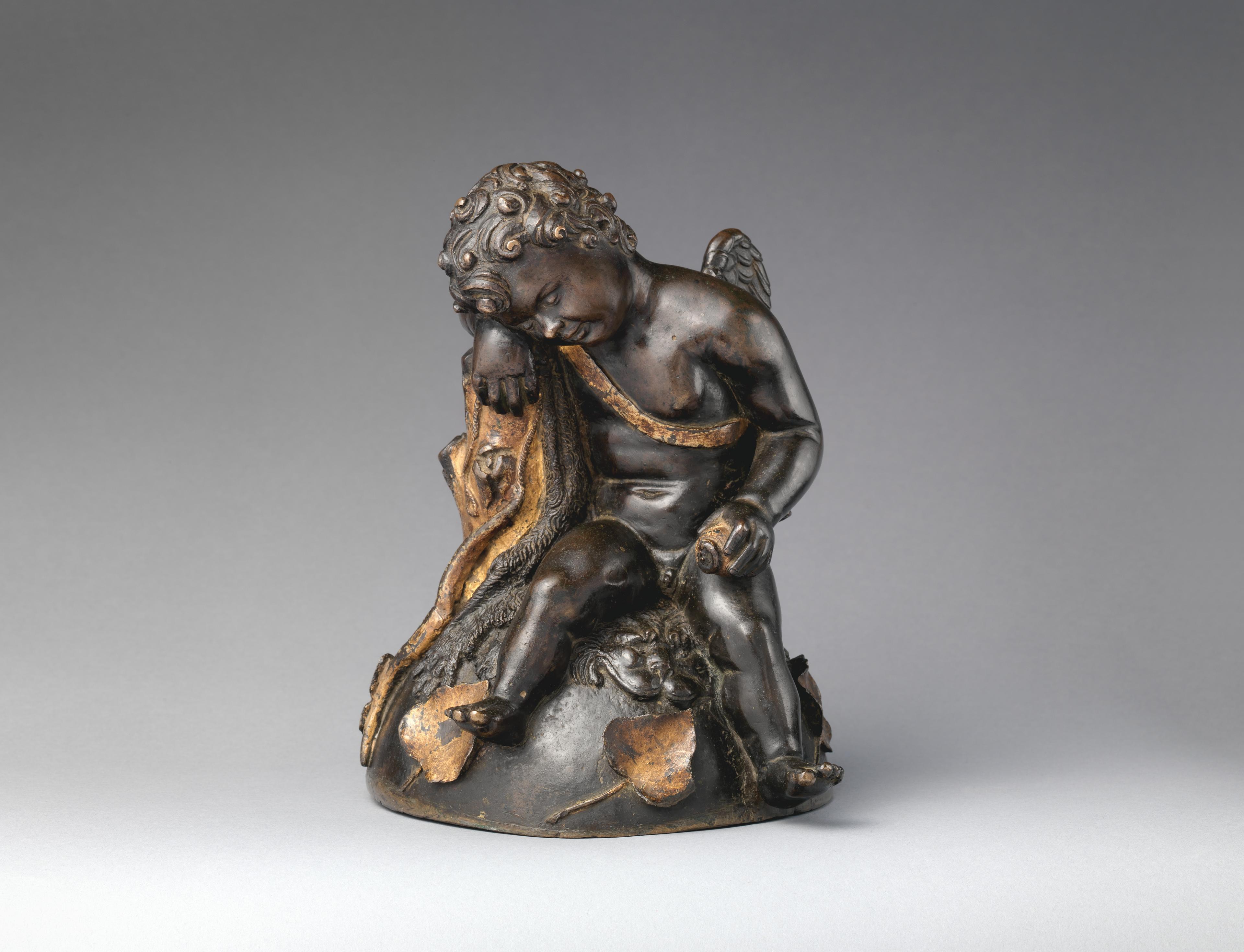
Caravaggio

Sandro Botticelli

Sandro Botticelli
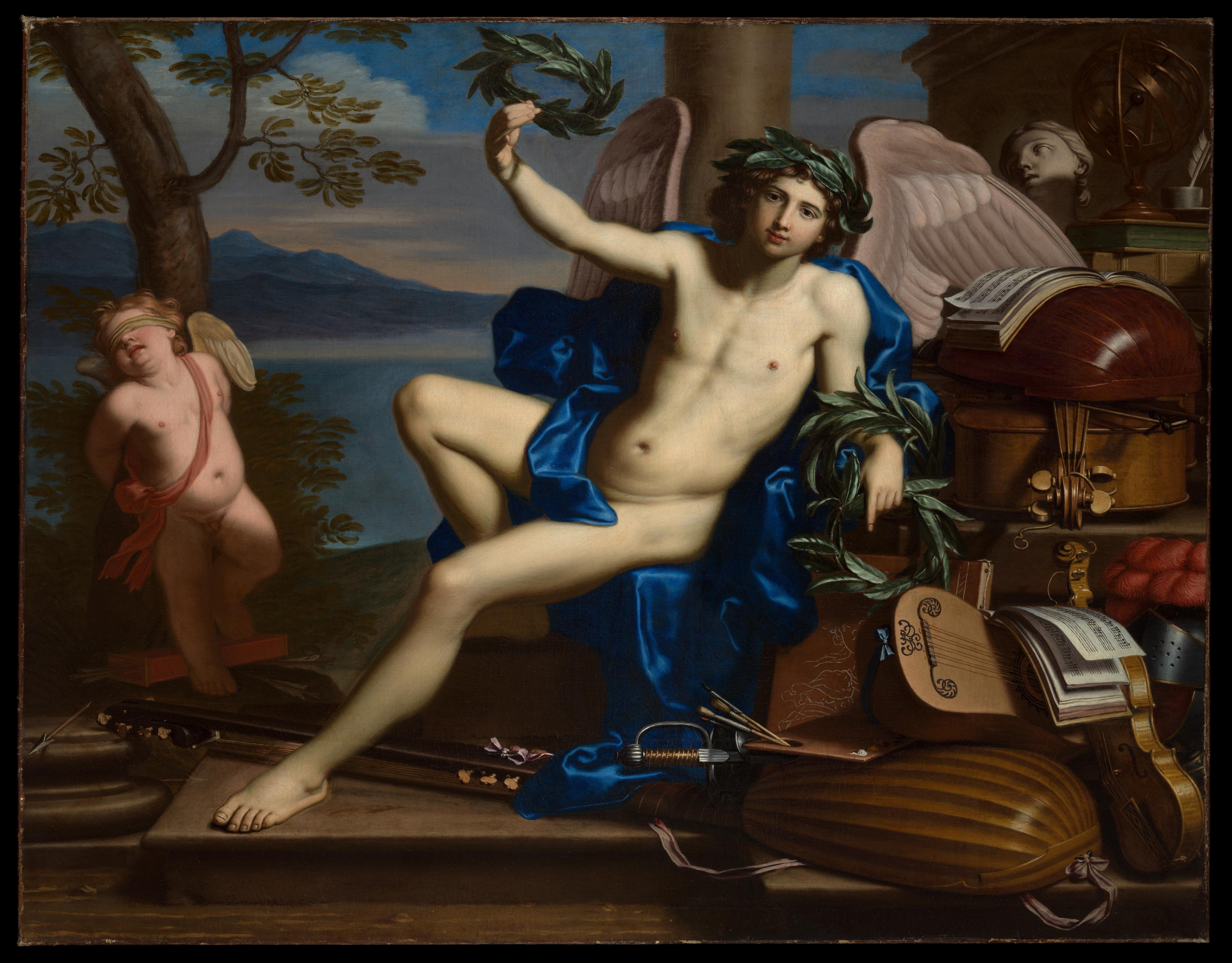
Michele Desubleo

Hieronymus Bosch
Titian