Watercolor
Paint made from pigment suspended in a water-soluble binder (usually gum arabic), applied in thin, translucent washes that let the white of the paper show through rather than relying on opaque white paint for highlights.
Because watercolor is transparent, it works in the opposite direction from oil painting: an oil painter typically builds from dark to light, adding opaque highlights on top, while a watercolorist has to plan highlights in advance by leaving the paper itself unpainted, since there is no reliable way to paint white back over a dark wash.
That constraint has made watercolor historically prized for immediacy and portability — sketching outdoors, botanical and topographical studies, and quick preparatory studies for larger studio paintings — even as its transparency has also produced major, ambitious finished works.
Watercolor in the collection
Paintings in the catalog documented as using this technique.
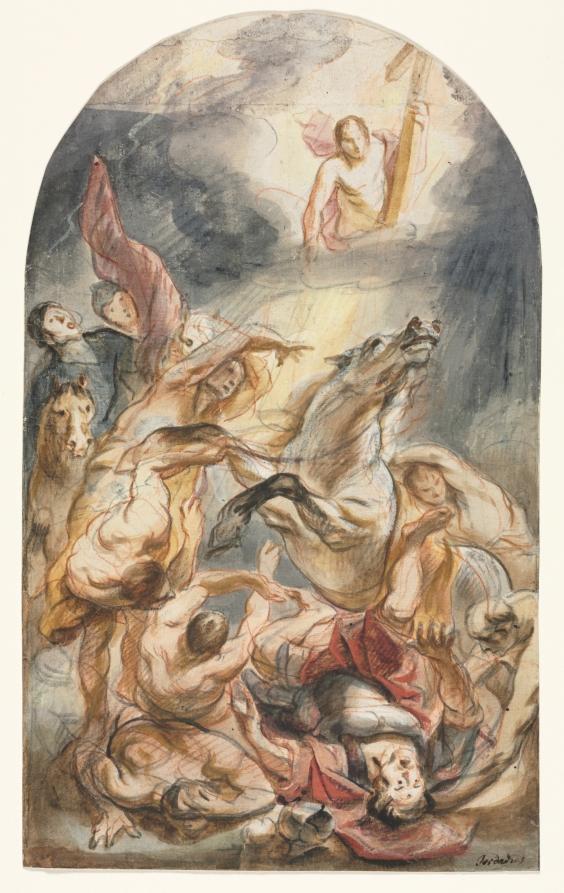
The Conversion of Saul with Christ and the Cross
Jacob Jordaens
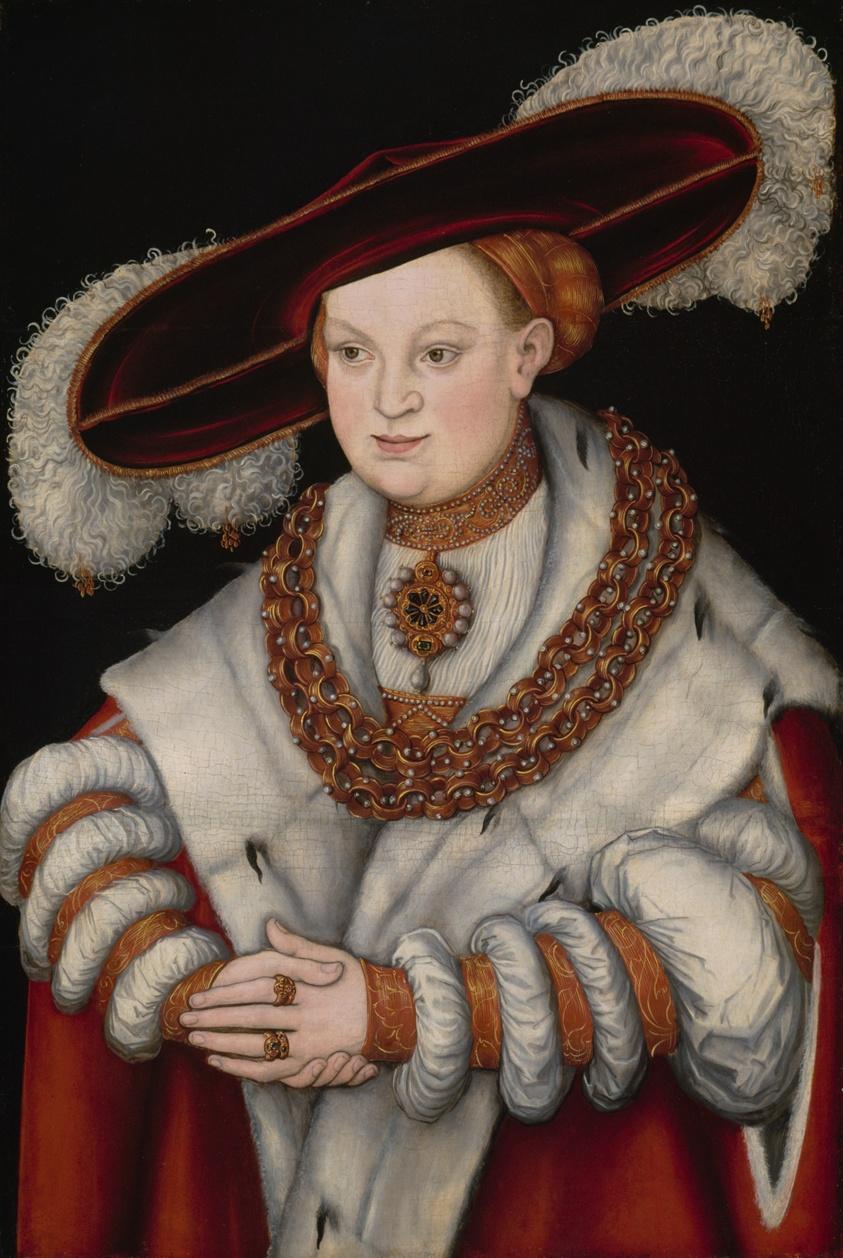
Portrait of Magdalena of Saxony, Wife of Elector Joachim II of Brandenburg
Lucas Cranach the Elder
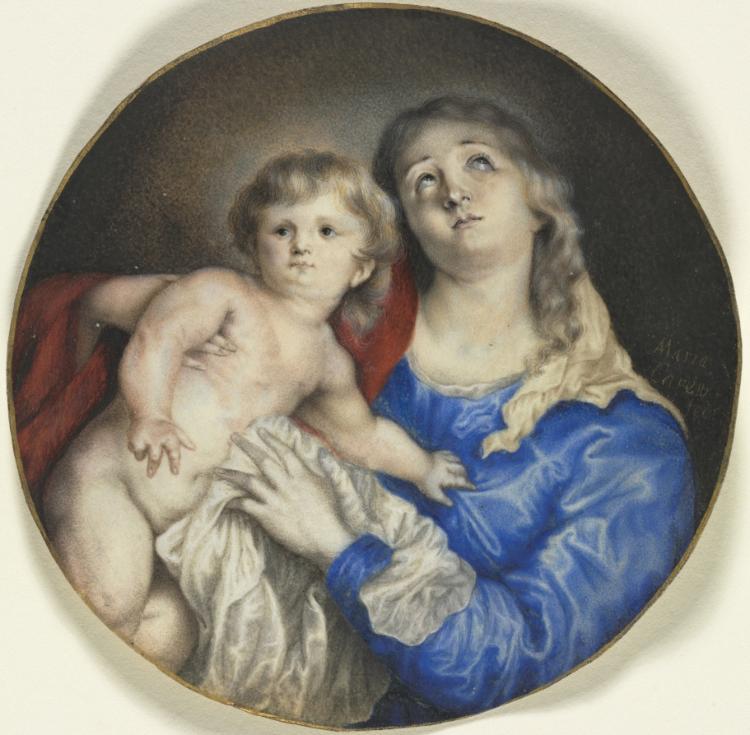
Virgin and Child
Anna Maria Carew
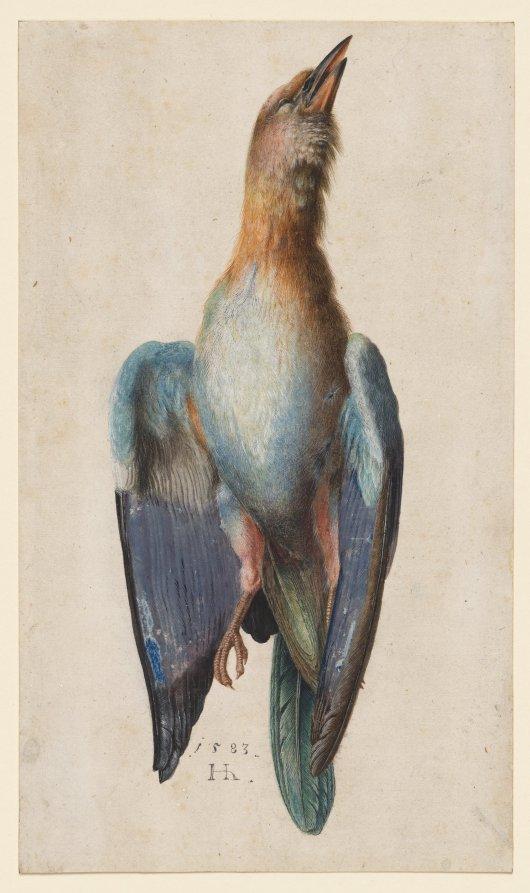
Dead Blue Roller
Hans Hoffmann
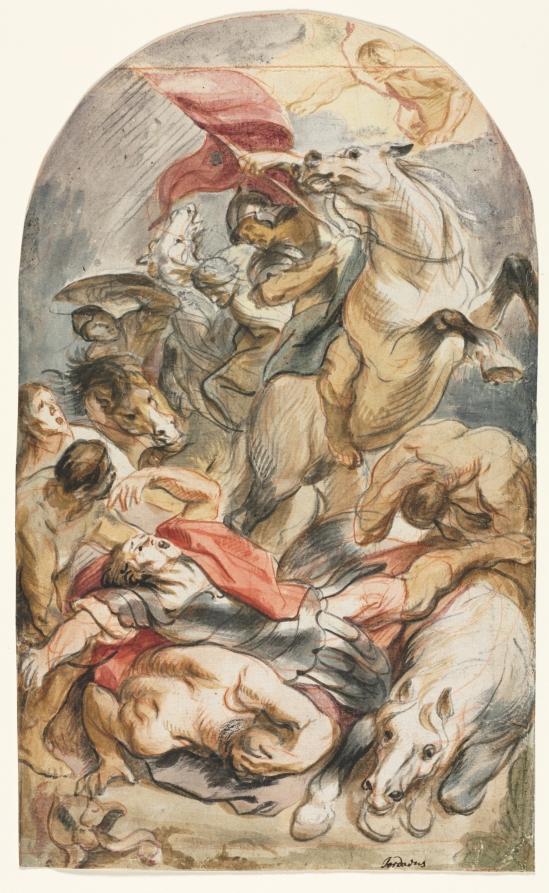
The Conversion of Saul with Horseman and Banner
Jacob Jordaens
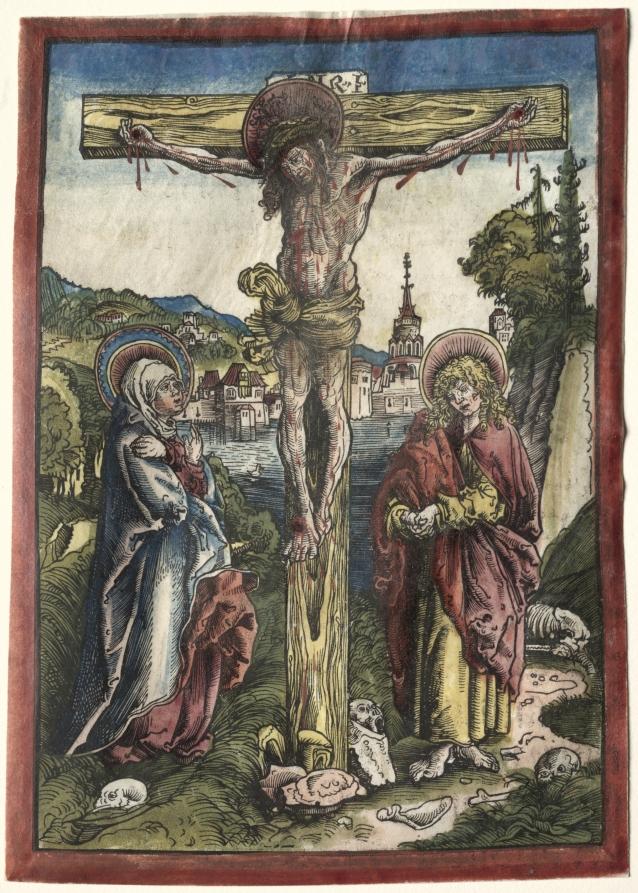
Christ on the Cross between the Virgin and Saint John
Lucas Cranach

Olivia Simes Morris
James Peale