Chiaroscuro
From the Italian for "light-dark" — the use of strong contrast between light and shadow to model form and create drama, most associated with Caravaggio and his followers.
Chiaroscuro existed before the Baroque — Leonardo used it to soften edges — but Caravaggio pushed it to an extreme in the 1590s and 1600s, plunging most of a canvas into near-total darkness and letting a single implied light source carve figures out of it. The technique spread rapidly through Europe via painters known as the Caravaggisti, including Artemisia Gentileschi, Gerrit van Honthorst, and, in a more restrained form, Rembrandt.
Beyond its visual drama, chiaroscuro does real narrative work: by controlling exactly what is lit and what isn't, a painter directs the viewer's eye and can isolate a single gesture or expression as the emotional center of the composition.
Chiaroscuro in the collection
Paintings in the catalog documented as using this technique.
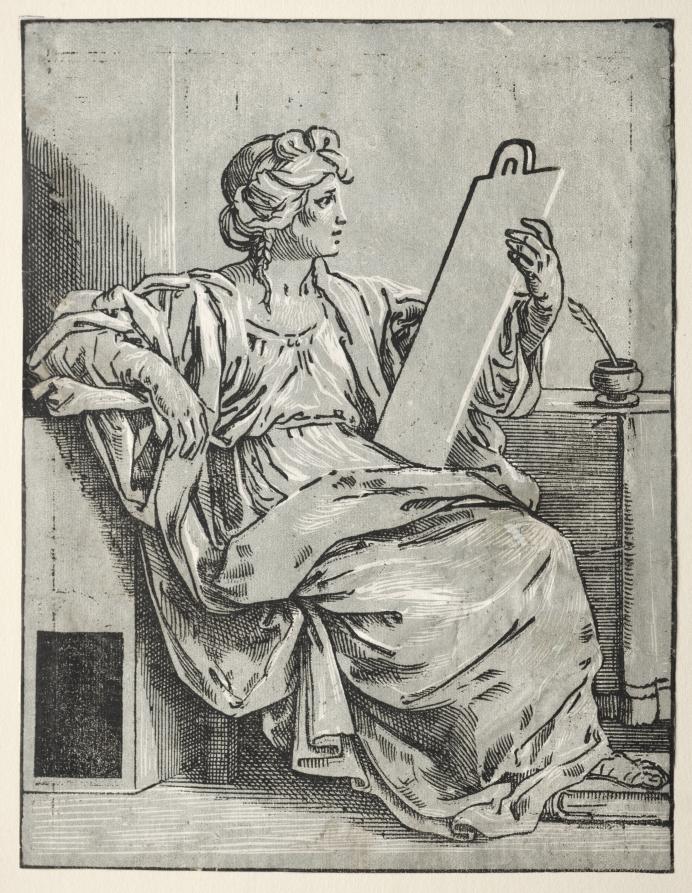
A Sibyl
Bartolommeo Coriolano
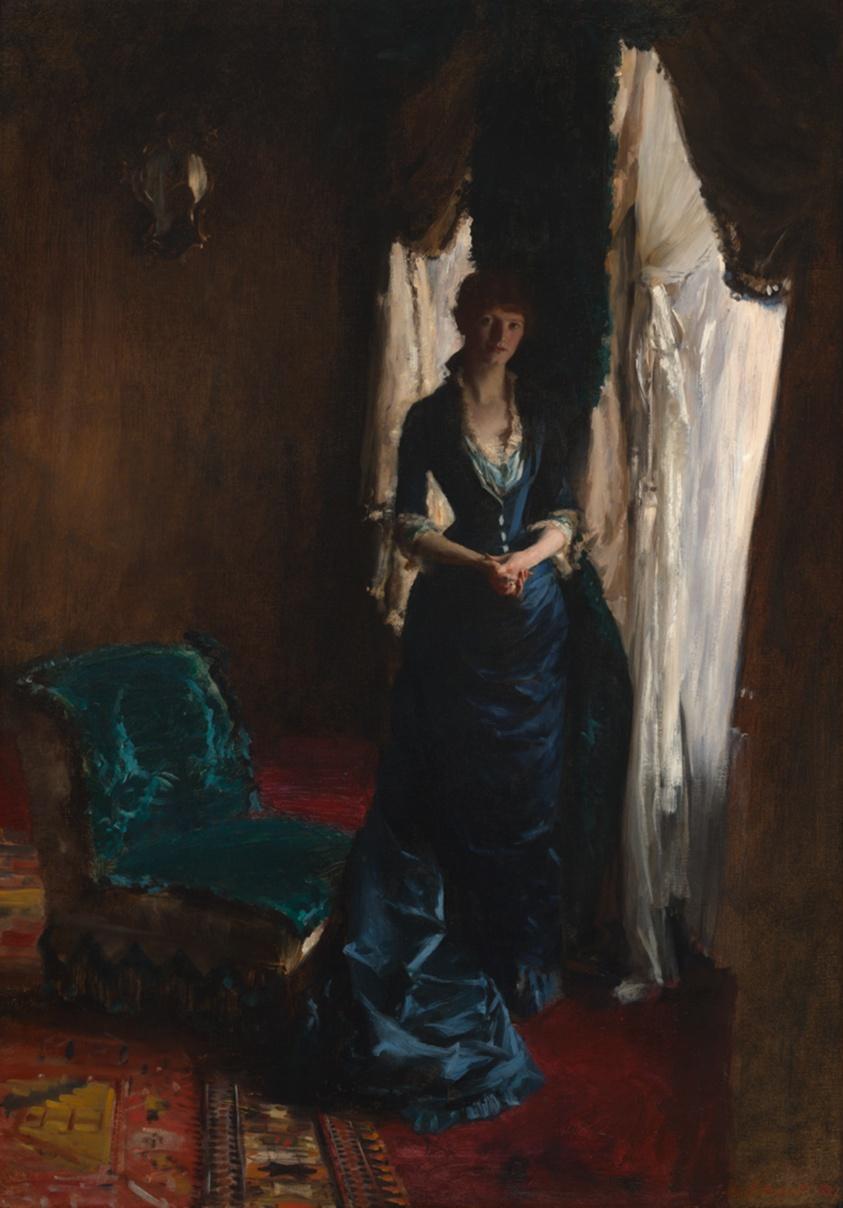
Madame Paul Escudier (Louise Lefevre)
John Singer Sargent
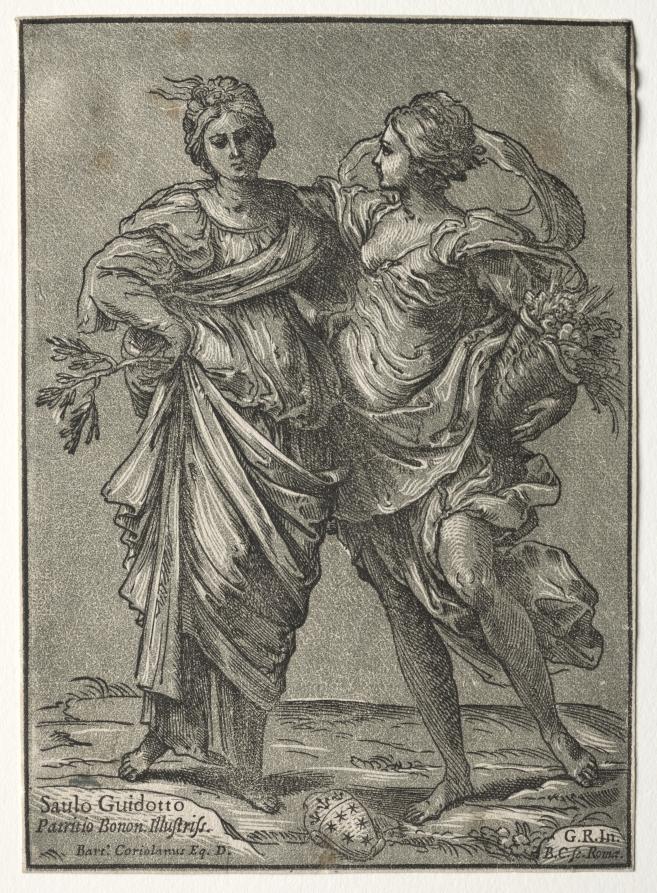
Alliance of Peace and Abundance
Bartolommeo Coriolano
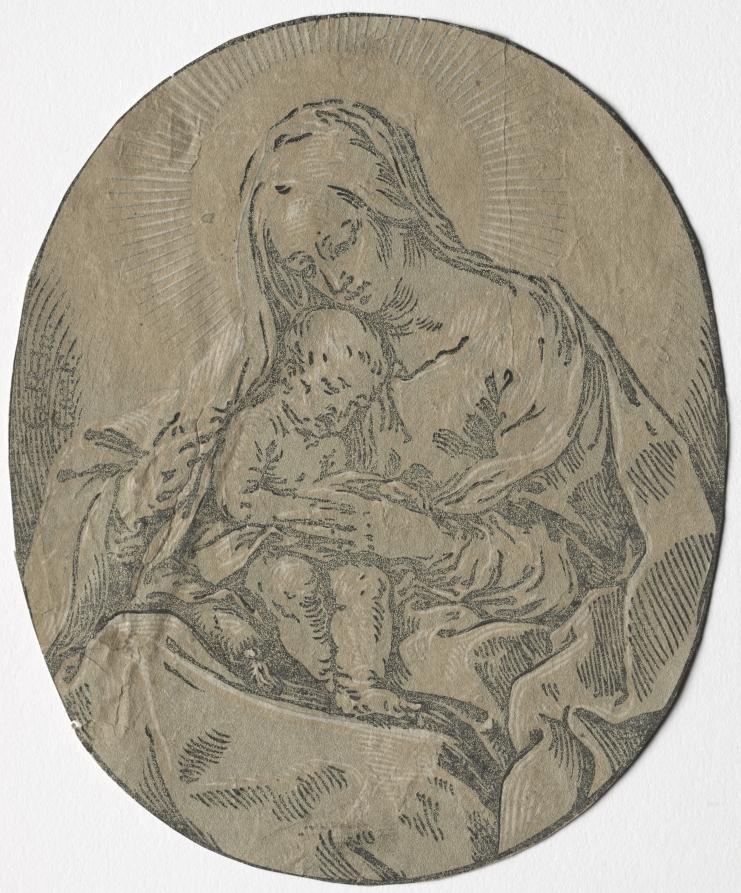
Madonna and Child
Bartolommeo Coriolano
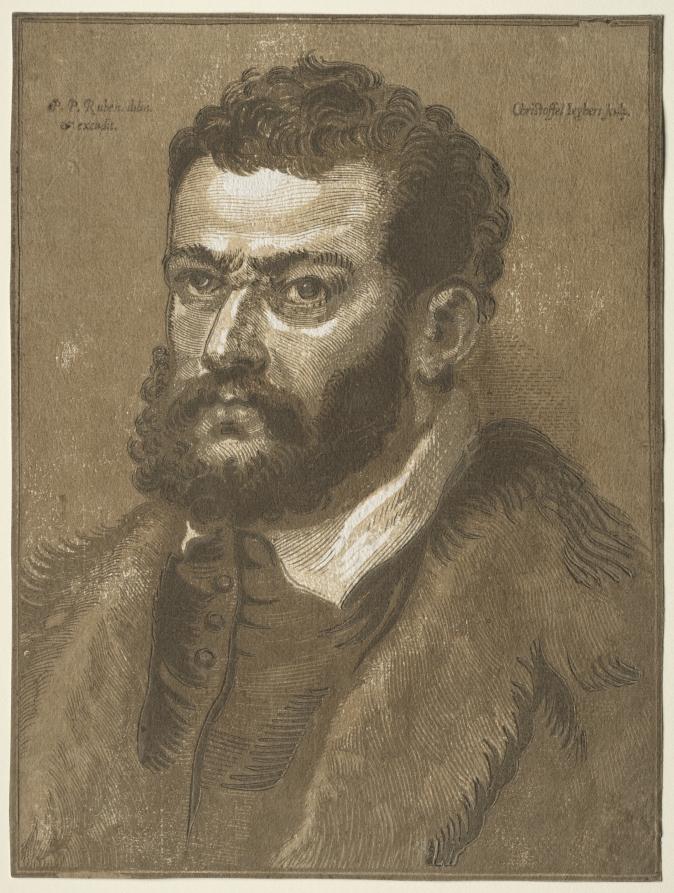
Bust of a Bearded Man (Doge Giovanni Cornaro)
Christoffel Jegher
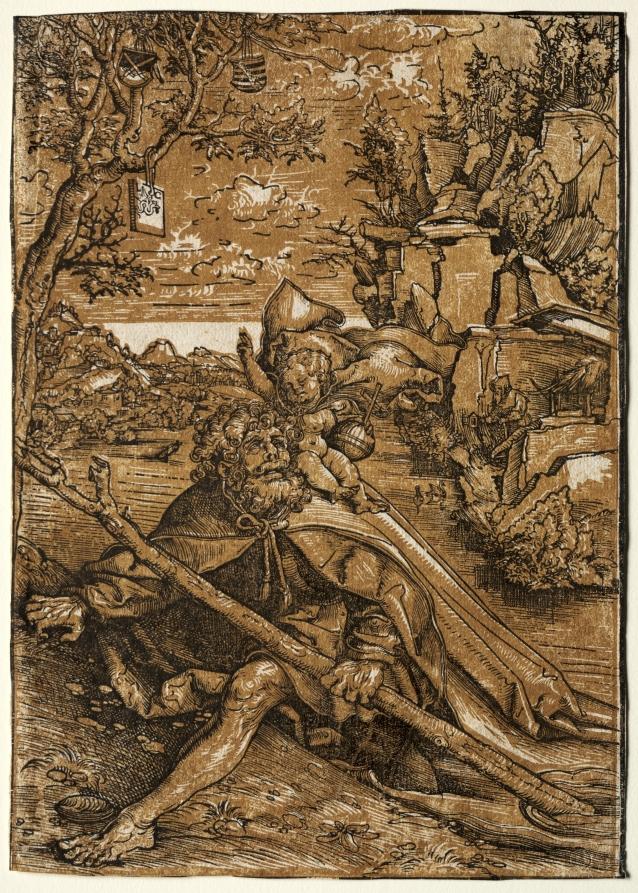
Saint Christopher
Lucas Cranach
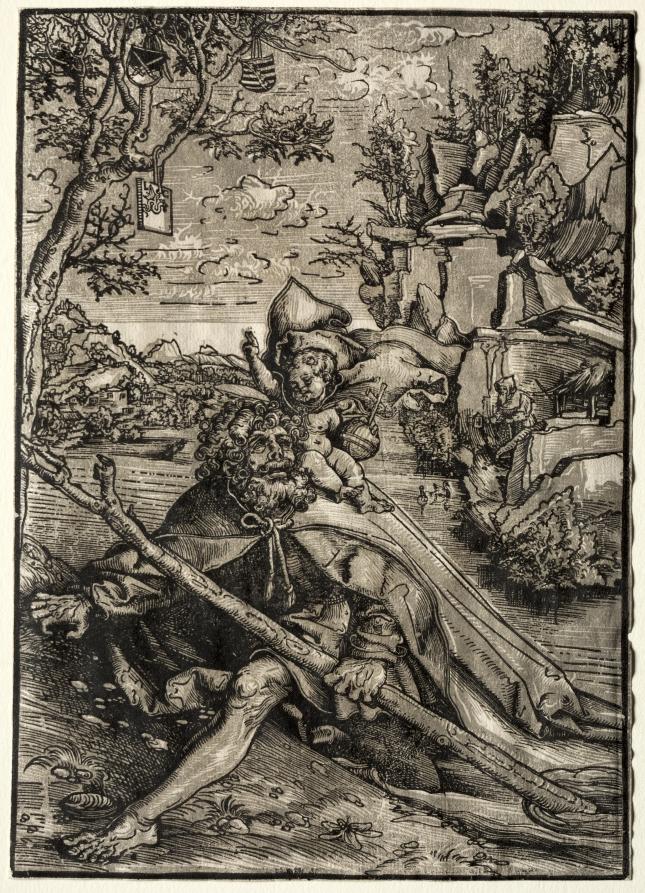
St. Christopher
Lucas Cranach
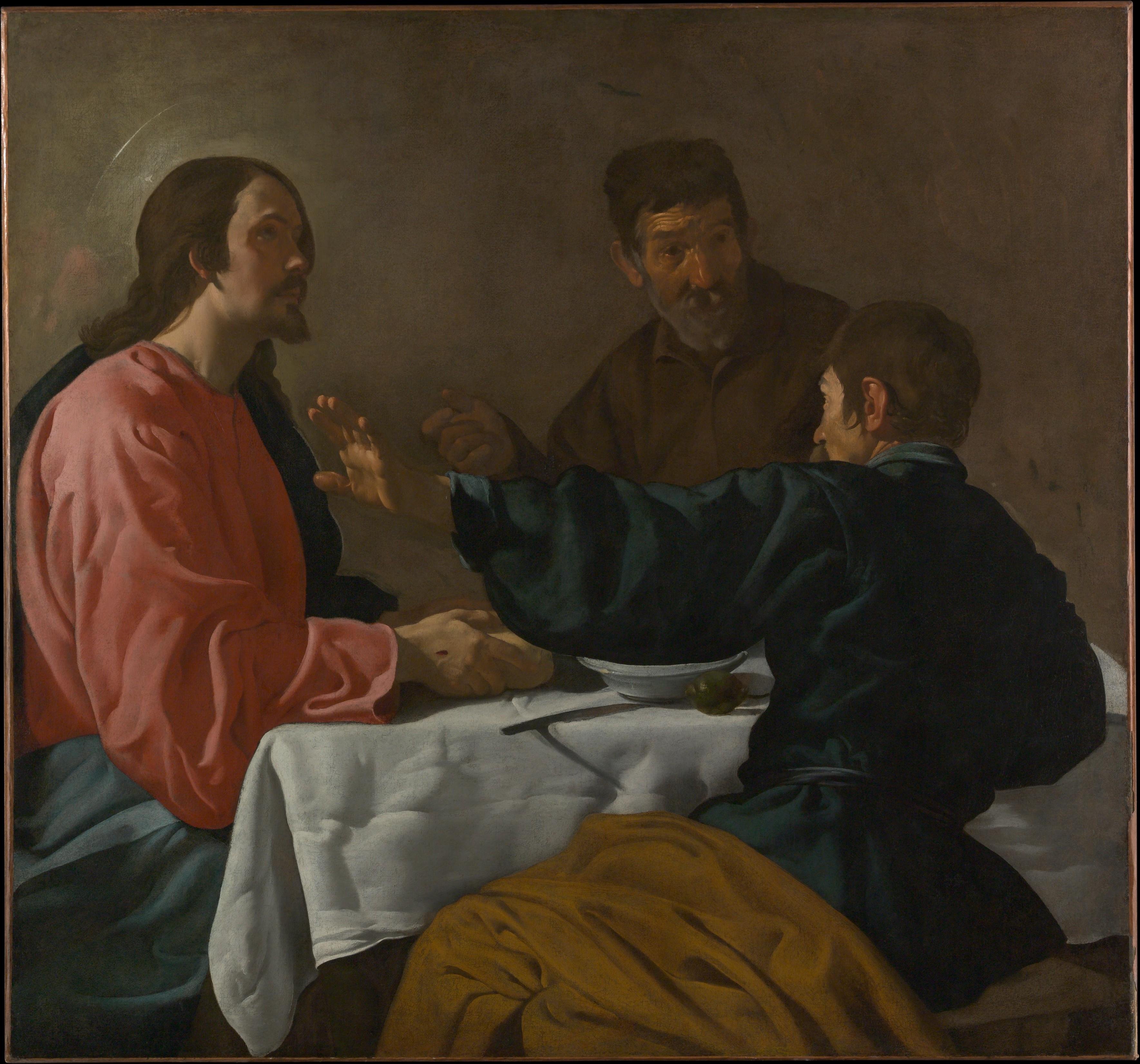
The Supper at Emmaus
Velázquez