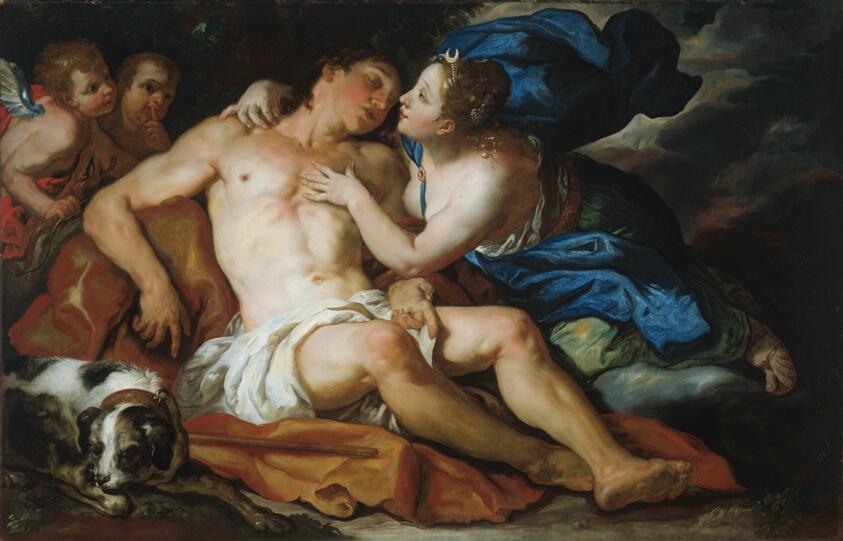
Diana and Endymion
Johann Michael Rottmayr
526 likes56 comments
Paintale uses cookies for essential site functionality and, where enabled, to serve relevant advertising via Google AdSense. You can accept all cookies or reject non-essential ones. See our Privacy Policy for details.
Now viewing
Apollo Granting Phaeton Permission to Drive the Chariot of the Sun
Johann Michael Rottmayr
Period
1650-1700
Theme
Religion & Mythology
Medium
Oil on canvas
Current Location
Art Institute of Chicago, Chicago
The Story
There may have been seven mythological paintings in this series, each corresponding to a celestial body and a day of the week. In the 17th century, the cosmological correlations between the movements of the planets and the passing of time were demonstrated through stories like this one. Here, Apollo, the Roman sun god of Sunday, grants his pleading son Phaeton permission to drive his chariot, a journey that would bring the light of day across the sky. Apollo’s daughters, the Heliades, and Chronos, the god of time, look on with interest.
Phaeton, a human, would ultimately crash and set the earth ablaze.
Working in Oil on canvas at 81.3 × 125.2 cm (32 × 49 1/2 in.), Johann Michael Rottmayr constructs depth through value contrast rather than outline, letting figures emerge from darkness the way they would under candlelight or through a shuttered window.
Look closely and the painting opens up. Objects you might pass over — a folded letter, a half-drawn curtain, the angle of a glance — were placed to be read. Figures and gestures here follow a visual vocabulary contemporary viewers would have read fluently — attributes, poses, and settings that identify who is who and what is at stake.
Housed at Art Institute of Chicago in Chicago, the painting has passed through the hands of collectors, dealers, and institutions before reaching public view — a provenance that is itself part of the object's story.
“A silence so complete it becomes its own witness.”
There may have been seven mythological paintings in this series, each corresponding to a celestial body and a day of the week. In the 17th century, the cosmological correlations between the movements of the planets and the passing of time were demonstrated through stories like this one. Here, Apollo, the Roman sun god of Sunday, grants his pleading son Phaeton permission to drive his chariot, a journey that would bring the light of day across the sky. Apollo’s daughters, the Heliades, and Chronos, the god of time, look on with interest. Phaeton, a human, would ultimately crash and set the earth ablaze.
Gift of Jacob S. Sherman
Technique: oil painting, painting techniques, painting (image making), painting.
Unknown Illinois banker; given by banker to Jacob S. Sherman, Chicago, during the 1930s as collateral for a loan that was never repaid [according to Robert Parker Sherman, son of Jacob S. Sherman, telephone conversation with Martha Wolff, 23 July 2003, transcribed in curatorial file]; bequeathed by Jacob S. Sherman (died 1961) to the Art Institute, 1961.
Art Institute of Chicago, Chicago. View on the museum’s official page.
See more works at Art Institute of Chicago or browse the full Johann Michael Rottmayr collection.
A restrained palette and sculptural lighting create a solemn geometry. The wooden crate and letter anchor the narrative with journalistic precision.
Sources
Keep Exploring
More paintings like this
Johann Michael Rottmayr
Johann Michael Rottmayr
Johann Michael Rottmayr
Johann Michael Rottmayr
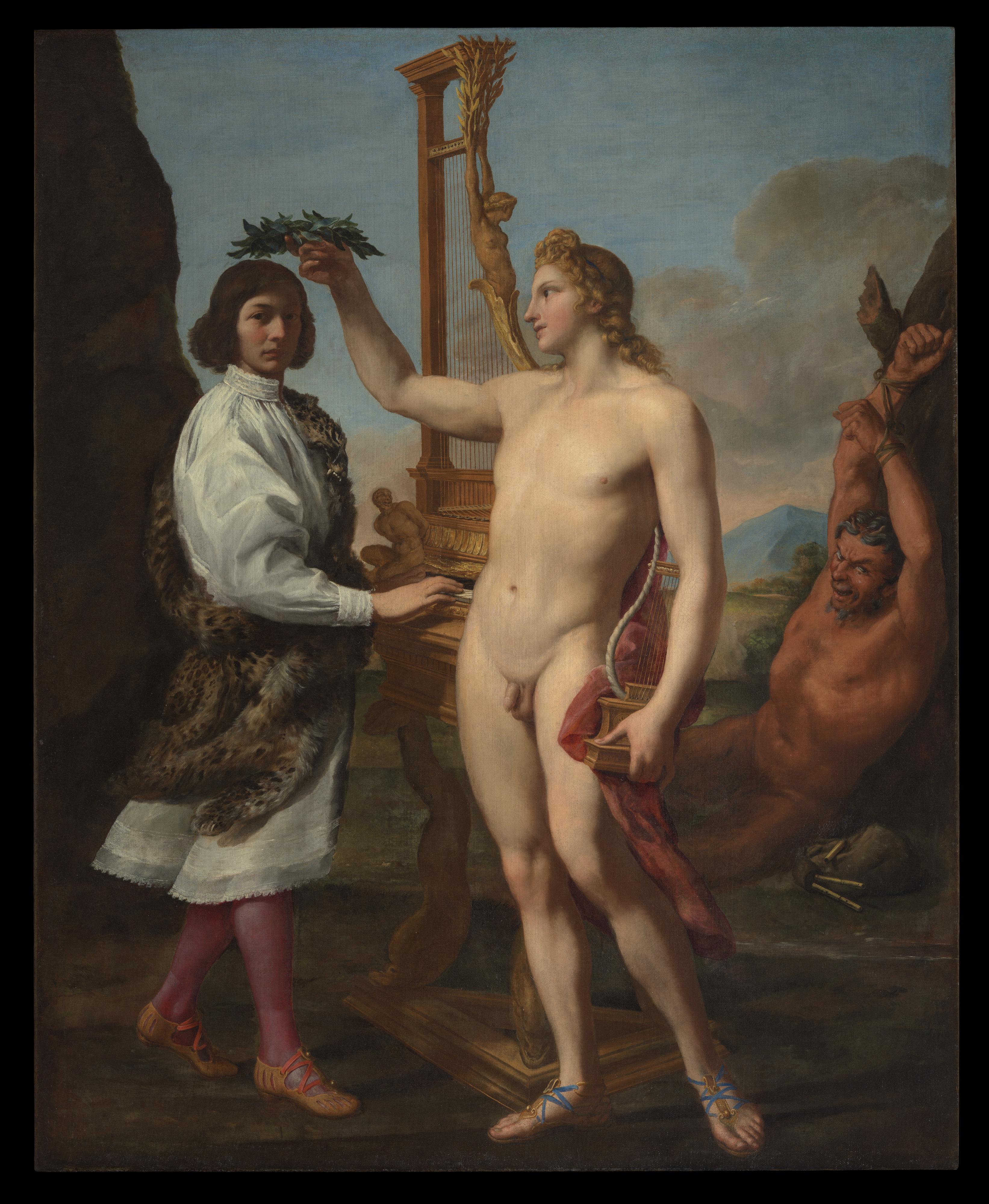
Andrea Sacchi
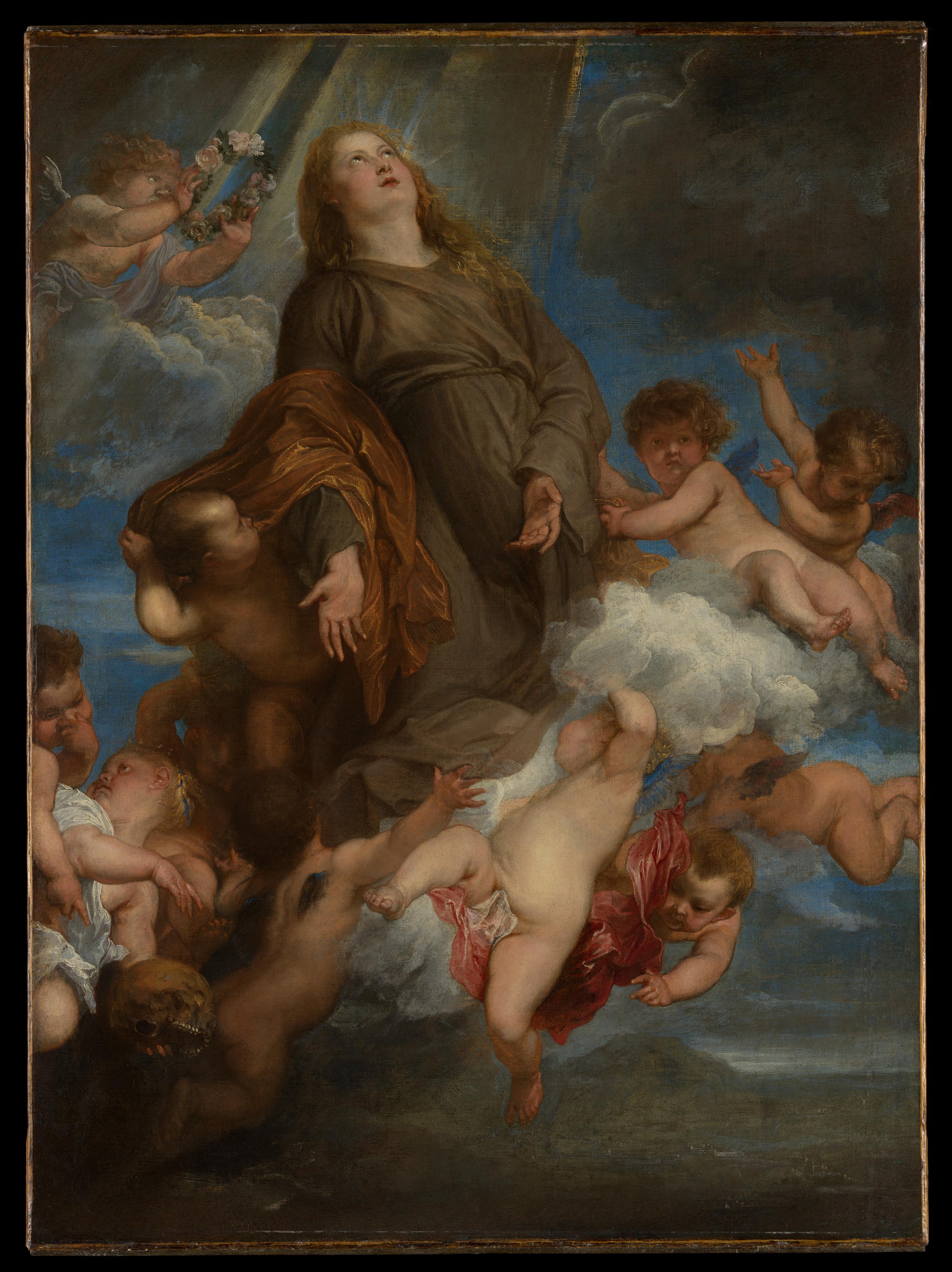
Anthony van Dyck

Leonardo da Vinci

Leonardo da Vinci