Dürer vs. Holbein: Northern Renaissance Rivals
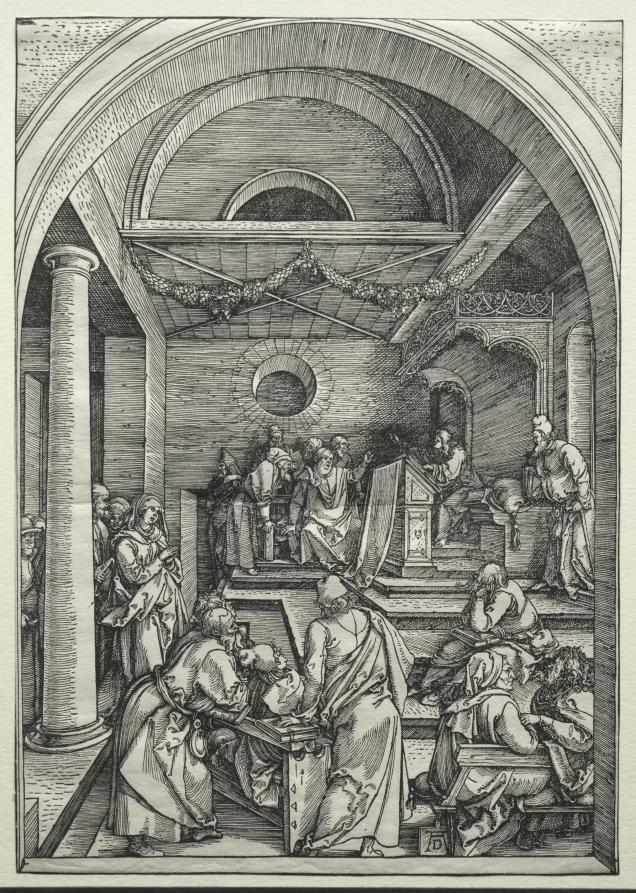
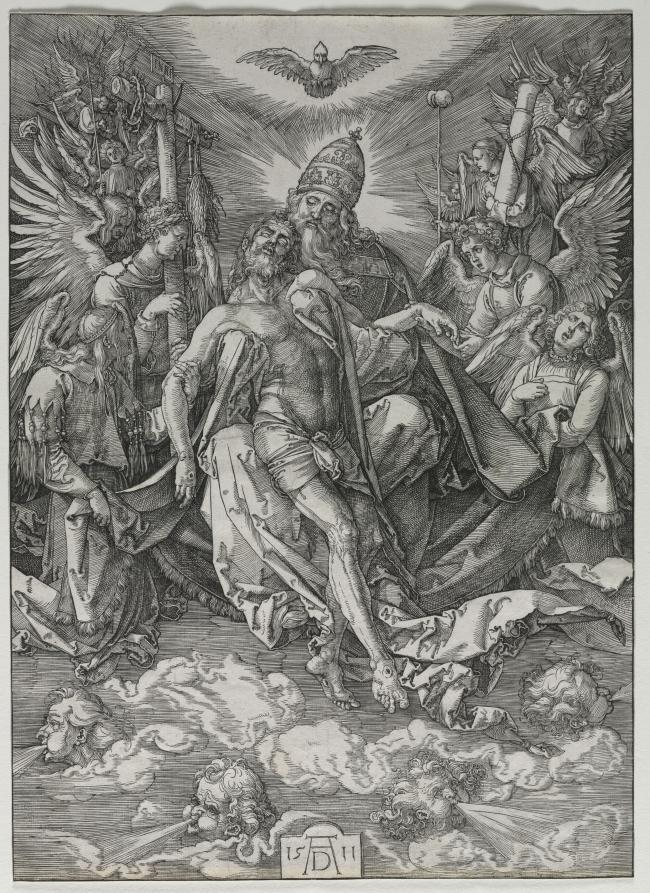
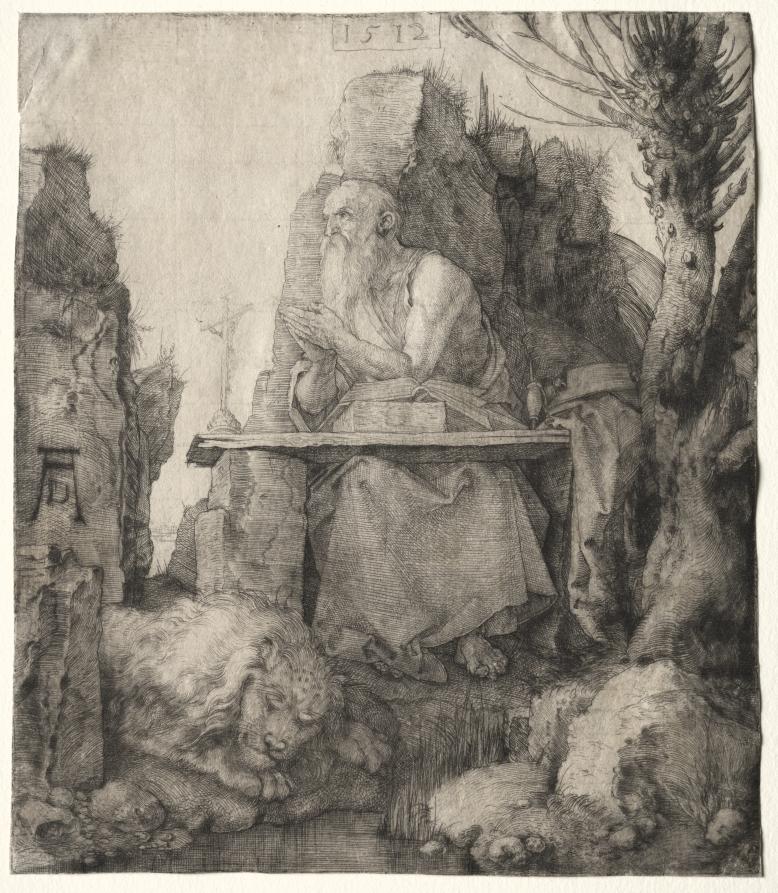
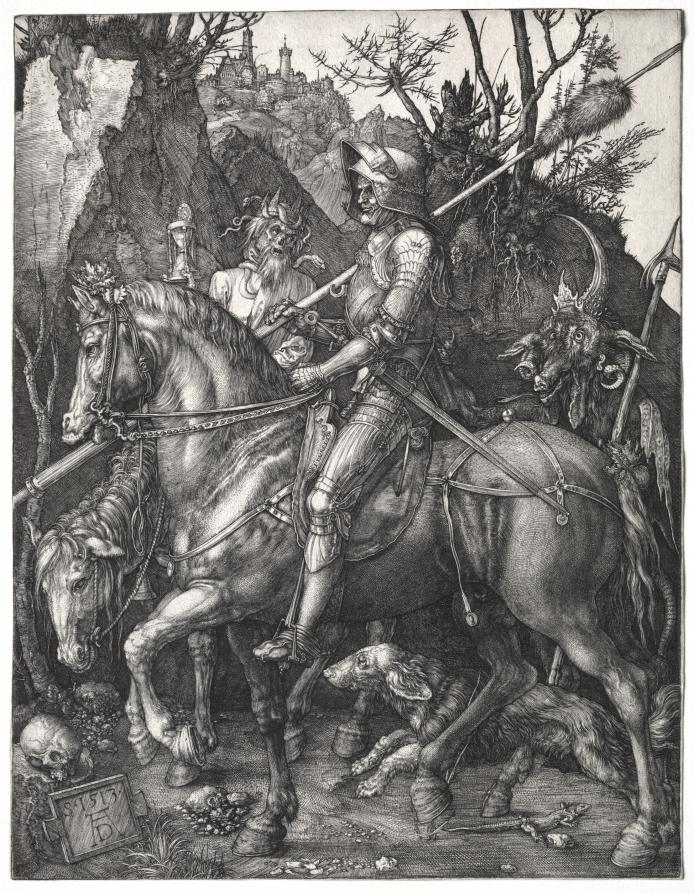
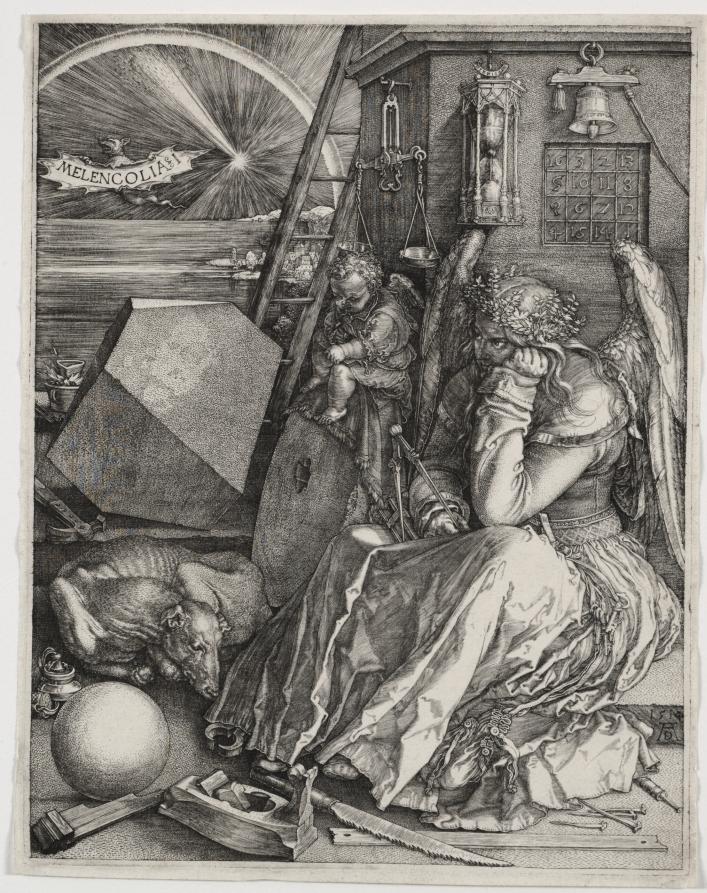
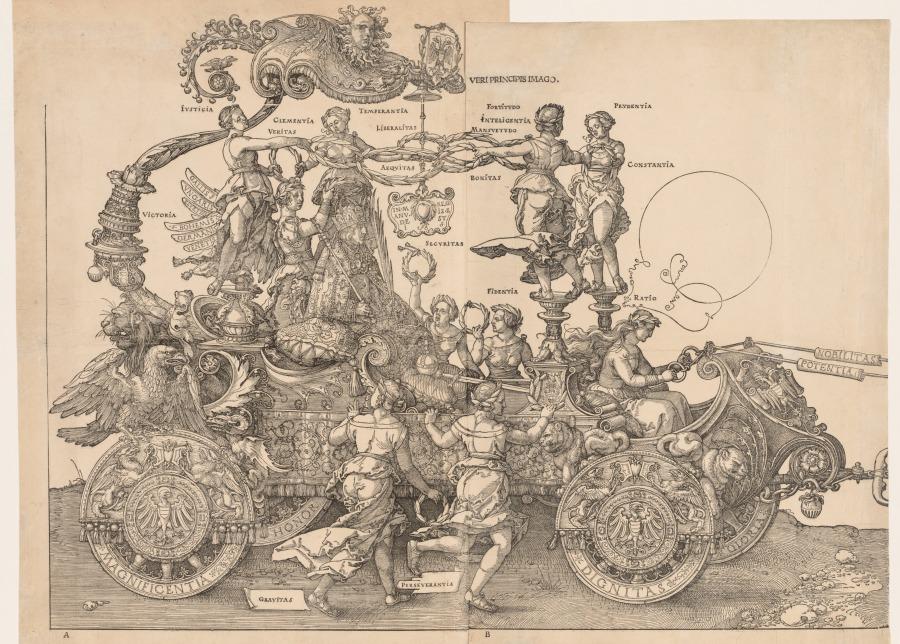
Albrecht Dürer and Hans Holbein the Younger never worked in the same city at the same time, but together they define German-speaking Renaissance art for most people who study it. Dürer, from Nuremberg, is the more theoretical of the two — obsessed with proportion, perspective, and the status of the artist as an intellectual. Holbein, working later and eventually settling in England as court painter to Henry VIII, is the sharper observational portraitist — less interested in theory, more interested in getting a likeness exactly, unforgivingly right.
| Albrecht Dürer | Hans Holbein the Younger | |
|---|---|---|
| Primary base | Nuremberg, Germany | Basel, then London |
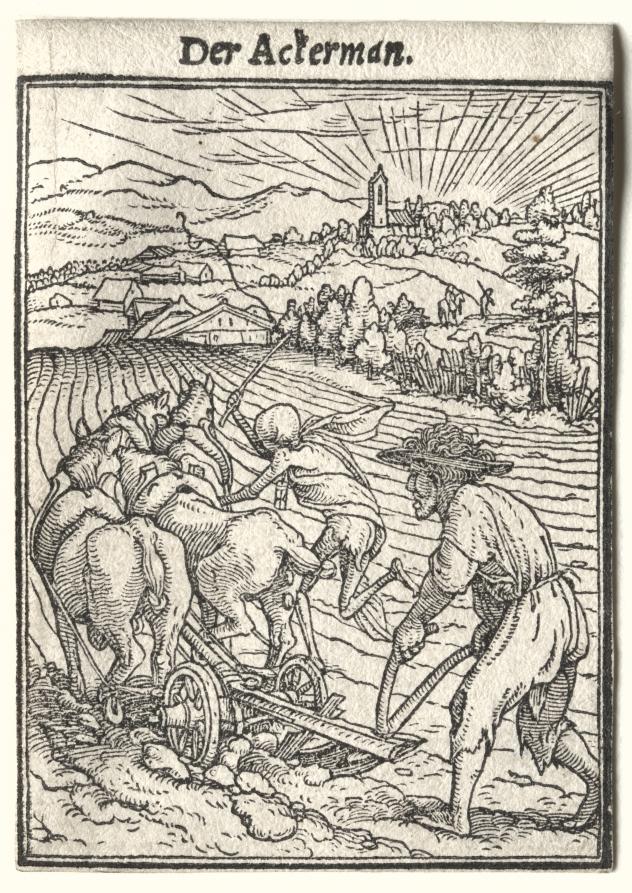
| Best known for | Engravings, woodcuts, self-portraits | Court portraiture (Henry VIII and his circle) |
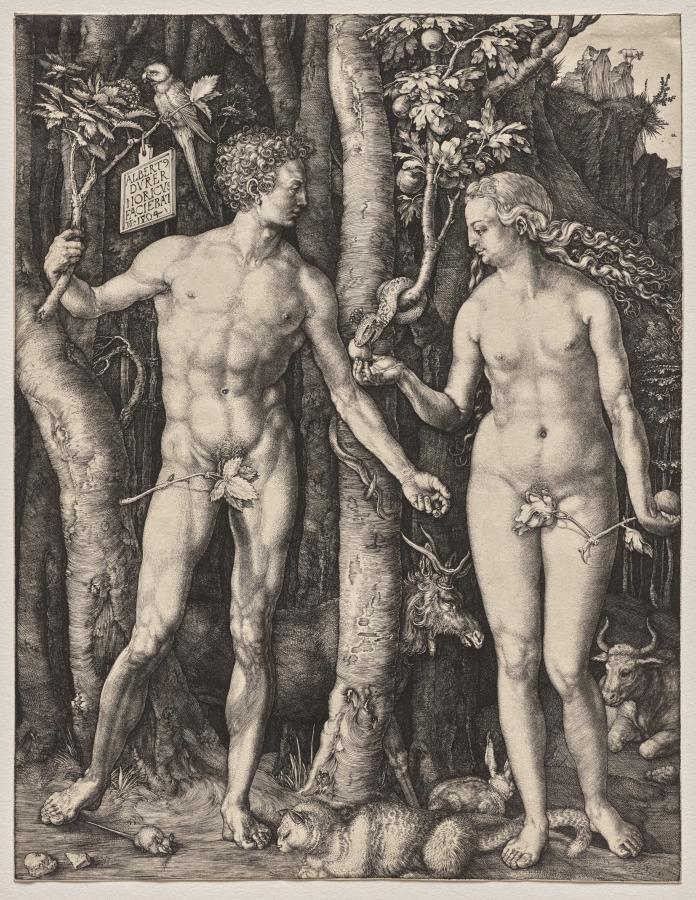
| Approach to the body | Idealized proportion, influenced by Italian theory | Exact, almost forensic likeness |
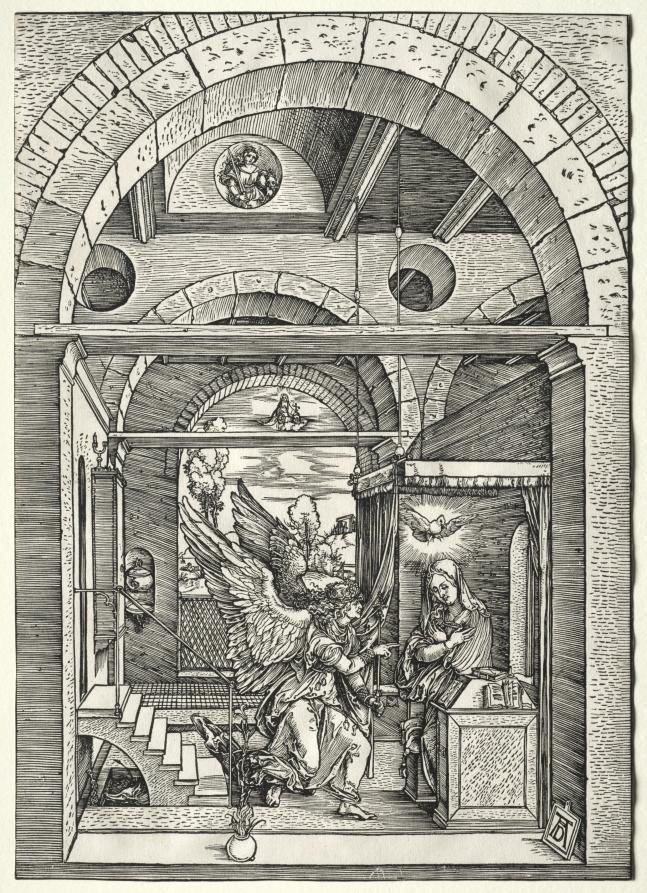
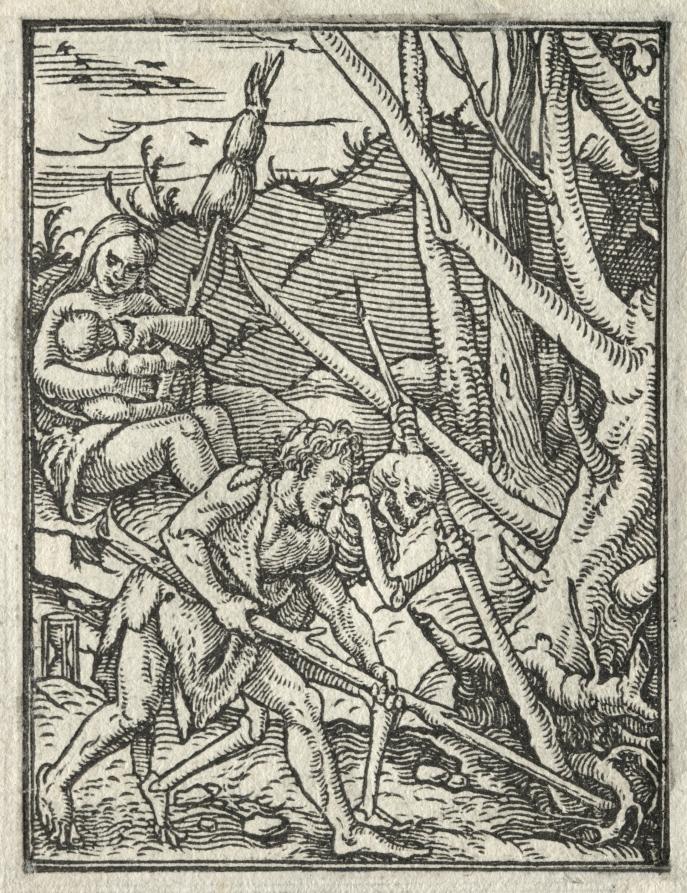
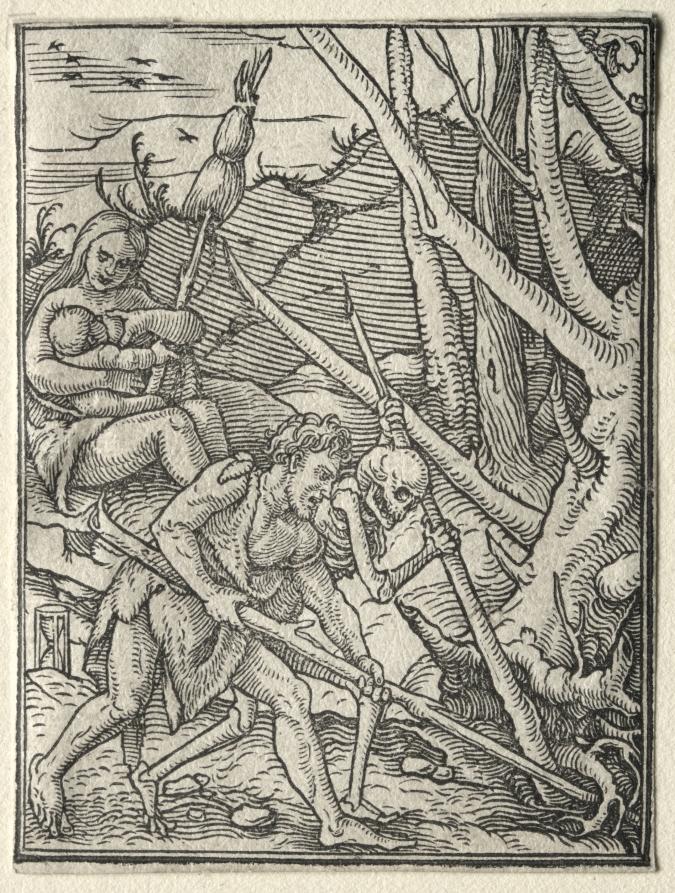
| Signature technique | Dense line engraving and woodcut | Precise oil portraiture, minimal visible brushwork |
| Self-image | Painted himself repeatedly as an artist-intellectual | Left few self-portraits; focused on patrons |
The verdict
If Dürer asks "what should a body ideally look like," Holbein asks "what does this exact person look like right now" — and that difference in temperament, more than any technical gap, is what separates the two greatest German-speaking painters of the Renaissance.