Engraving
A printmaking technique in which lines are cut directly into a metal plate with a sharp tool called a burin, producing precise, controlled grooves that hold ink for printing.
Engraving predates etching and demands far more physical control: because the burin is pushed directly through solid copper rather than through soft wax, every line has to be planned and cut by hand, which tends to produce a crisper, more mechanically regular line than etching's freer scratch. Albrecht Dürer's engravings, prized for their extraordinary fineness of detail, are often cited as the technique pushed to its technical limit.
For centuries, engraving was also the primary way a painting's composition could be reproduced and sold at scale — professional engravers were regularly commissioned to translate a famous painted composition into a print, spreading its imagery to buyers who would never see the original canvas.
Engraving in the collection
Paintings in the catalog documented as using this technique.
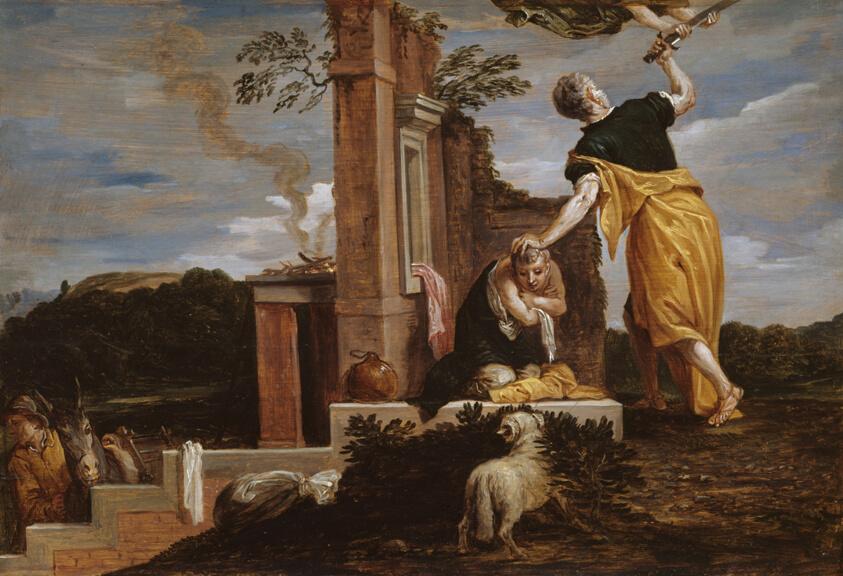
Abraham's Sacrifice of Isaac
David Teniers the YoungerAfter Paolo Veronese
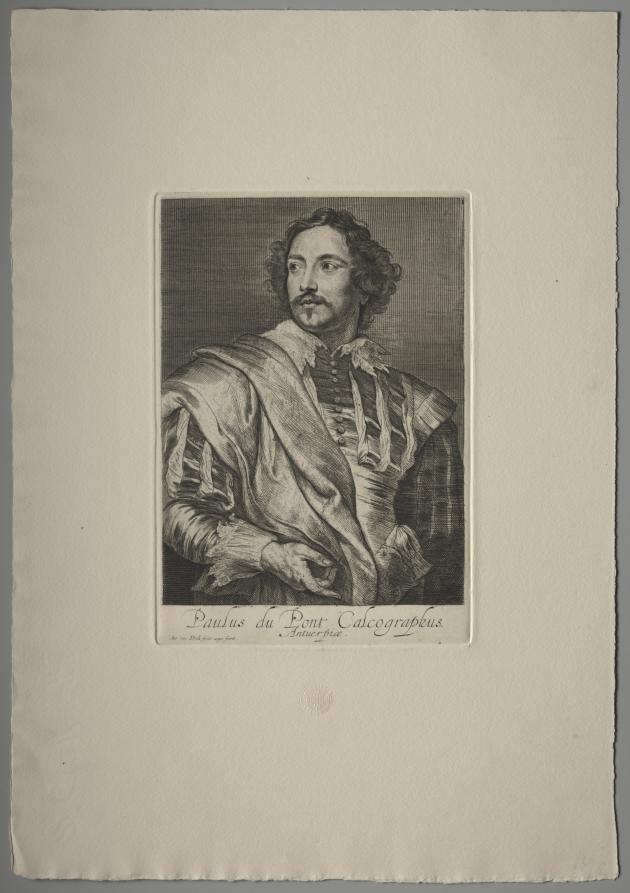
Paulus Pontius
Anthony van Dyck
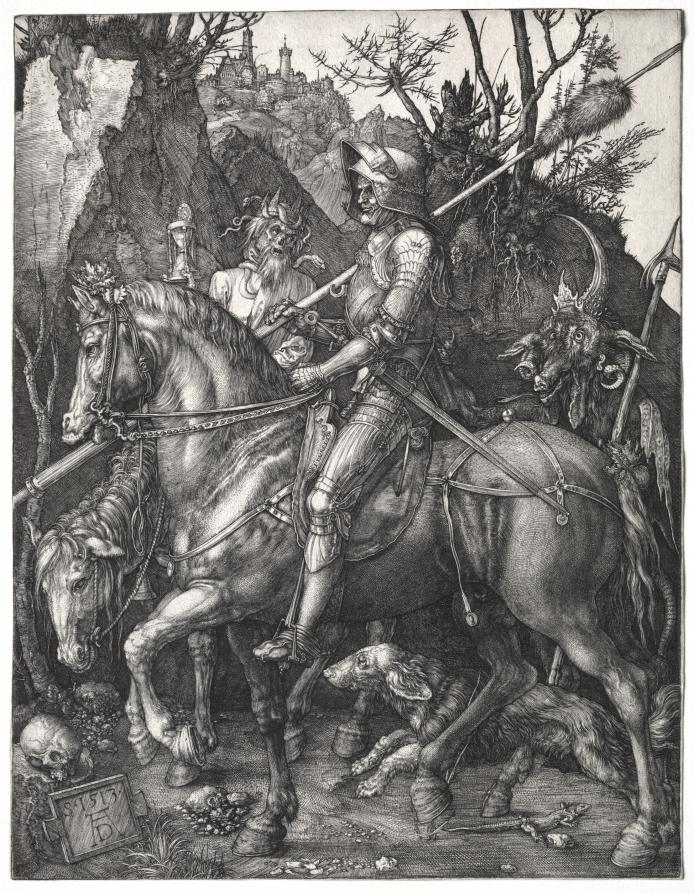
Knight, Death, and the Devil
Albrecht Dürer
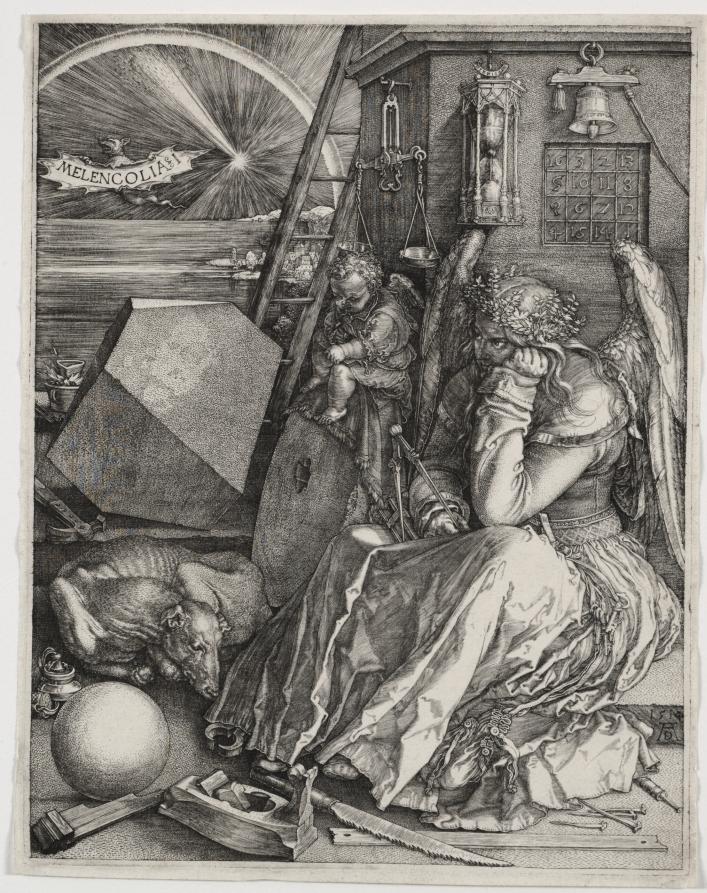
Melencolia I
Albrecht Dürer
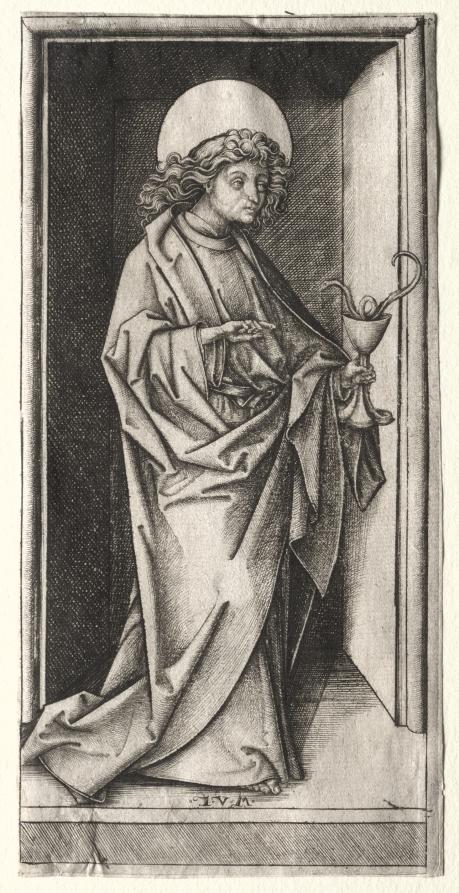
St. John with Serpent in Chalice
Israhel van Meckenem
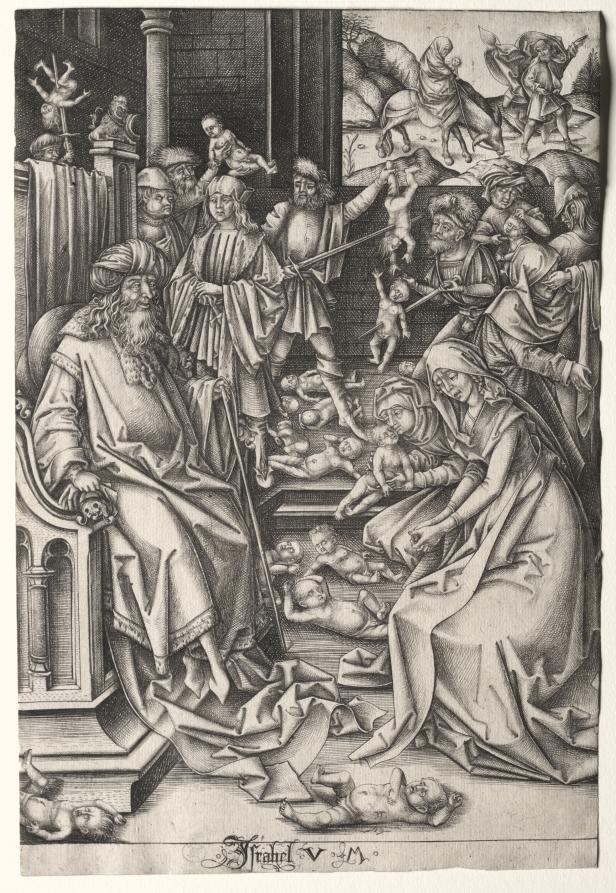
The Life of the Virgin: The Massacre of the Innocents
Israhel van Meckenem
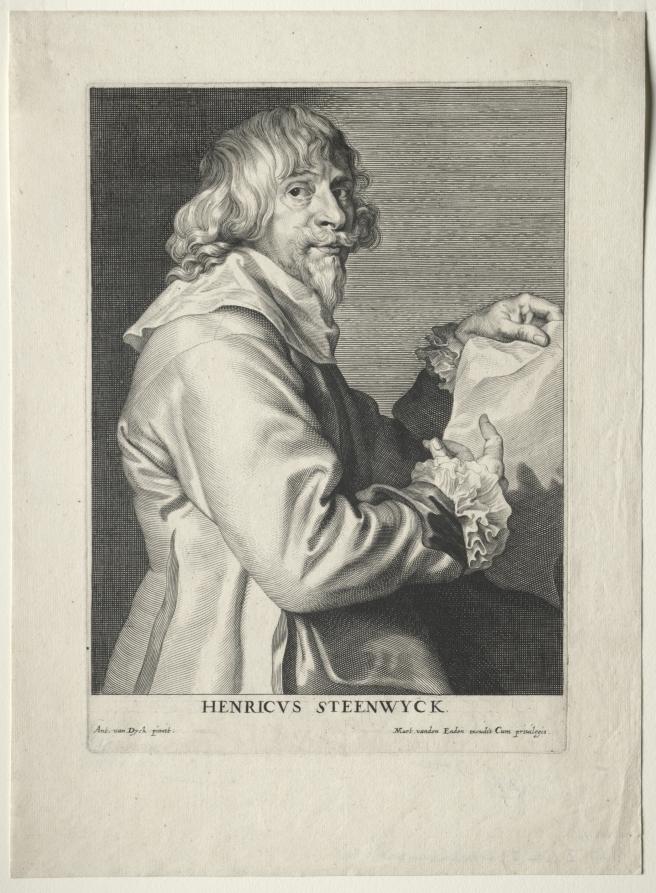
Portrait of Henri van Steenwyck
Paulus Pontius
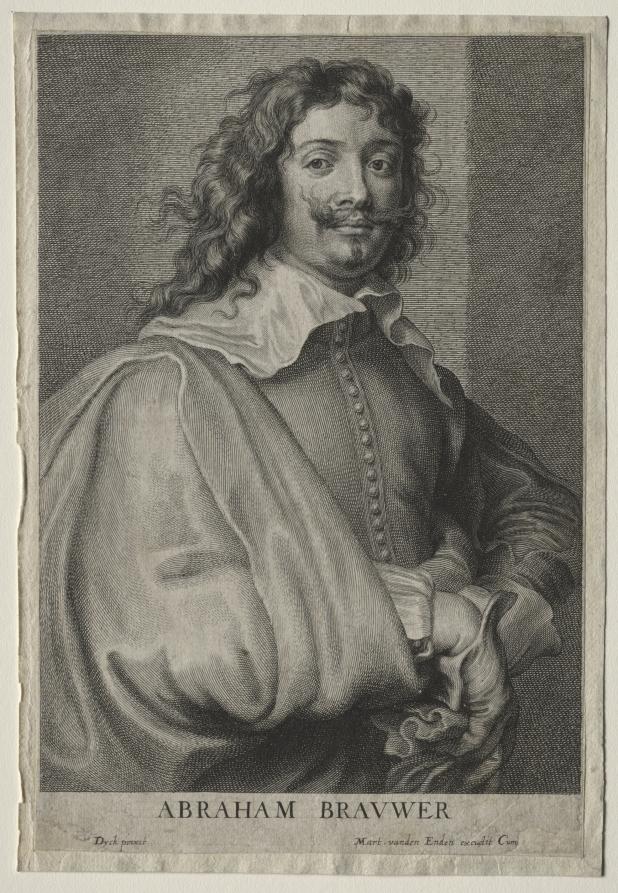
Adrian Brower
Schelte Adams Bolswert