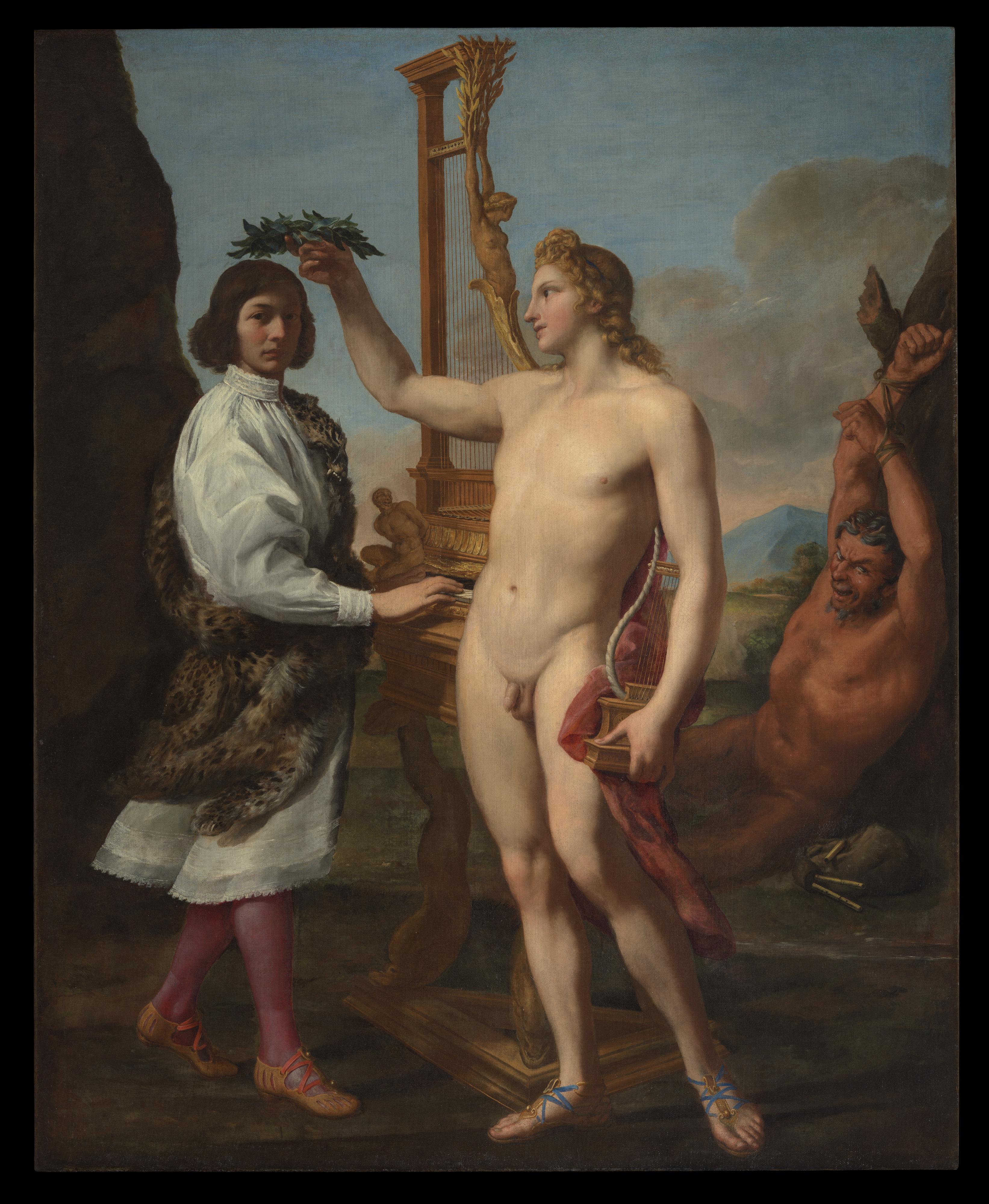
Marcantonio Pasqualini (1614–1691) Crowned by Apollo
Andrea Sacchi
1494 likes124 comments
Paintale uses cookies for essential site functionality and, where enabled, to serve relevant advertising via Google AdSense. You can accept all cookies or reject non-essential ones. See our Privacy Policy for details.
Now viewing
The Denial of Saint Peter
Ludovico Carracci
Period
Baroque
Theme
Religion & Mythology
Medium
Oil on canvas
Current Location
The Metropolitan Museum of Art, New York
The Story
Painting • Paintings
Created in 1621 during the Baroque period, this work belongs firmly within the religion & mythology tradition. Ludovico Carracci worked at a moment when the rivalry between Catholic Baroque drama and Protestant restraint reshaped what a painting could mean. Every gesture, fabric, and gleam of light was decoded by contemporary viewers like a private language.
As Oil on canvas (67 5/8 × 45 11/16 in. (171.8 × 116 cm)), the work shows the tool marks and layering choices typical of Ludovico Carracci's output in this period — decisions about ground, underpainting, and glaze that a photograph can only partly convey.
Look closely and the painting opens up. Objects you might pass over — a folded letter, a half-drawn curtain, the angle of a glance — were placed to be read. The iconography draws on scripture and classical myth, but the emotional weight is entirely human.
Housed at The Metropolitan Museum of Art in New York, the painting has passed through the hands of collectors, dealers, and institutions before reaching public view — a provenance that is itself part of the object's story.
“A silence so complete it becomes its own witness.”
Painting • Paintings
Accession: 2024.593. Gift of Mark Fisch and an Anonymous Donor, 2024
Technique: Oil on canvas.
The Metropolitan Museum of Art, New York. View on the museum’s official page.
See more works at The Metropolitan Museum of Art or browse the full Ludovico Carracci collection.
A restrained palette and sculptural lighting create a solemn geometry. The wooden crate and letter anchor the narrative with journalistic precision.
Sources
Keep Exploring
More paintings like this
Andrea Sacchi
Anthony van Dyck
Jacob Jordaens
Peter Paul Rubens
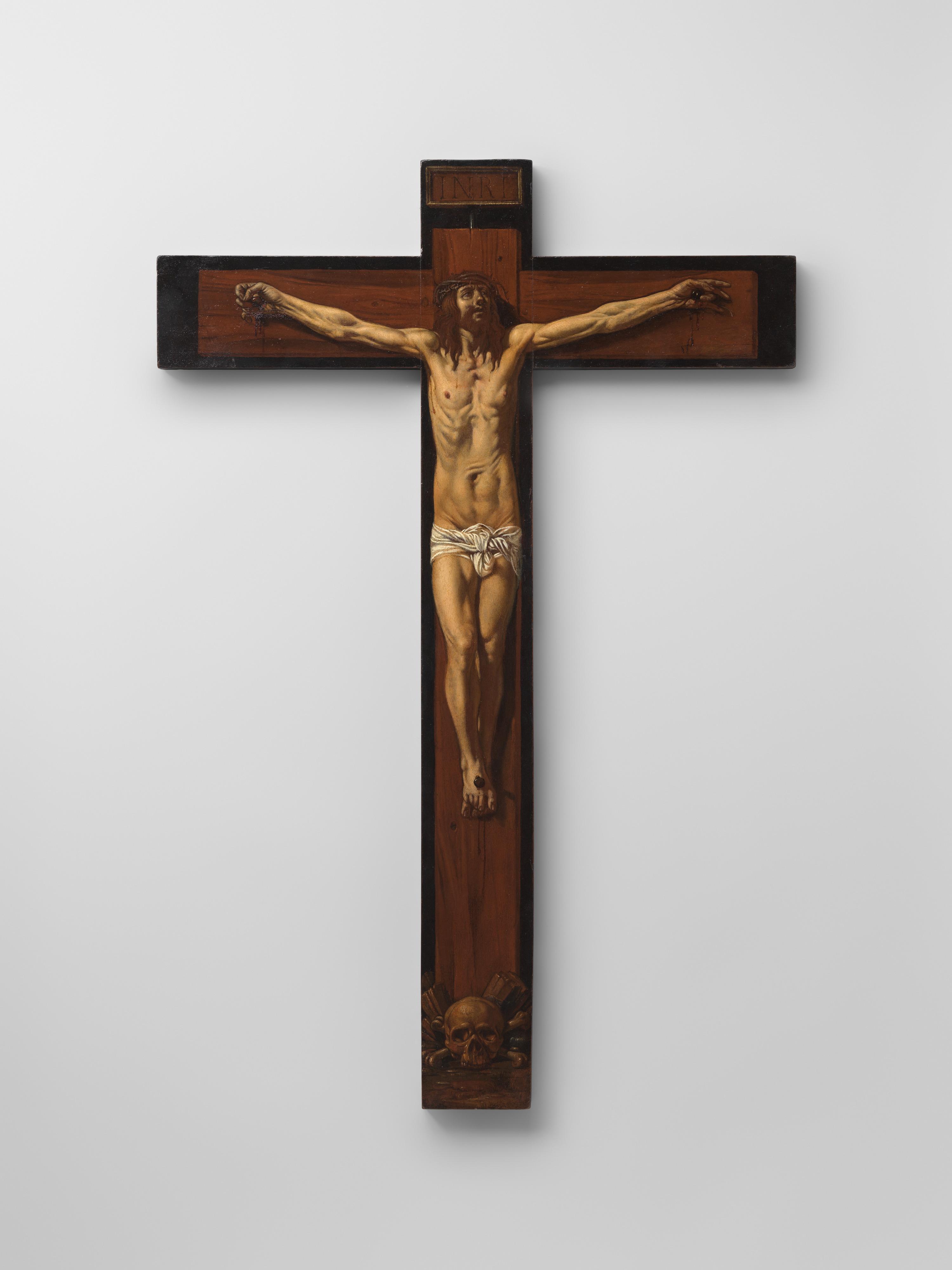
Cecco del Caravaggio
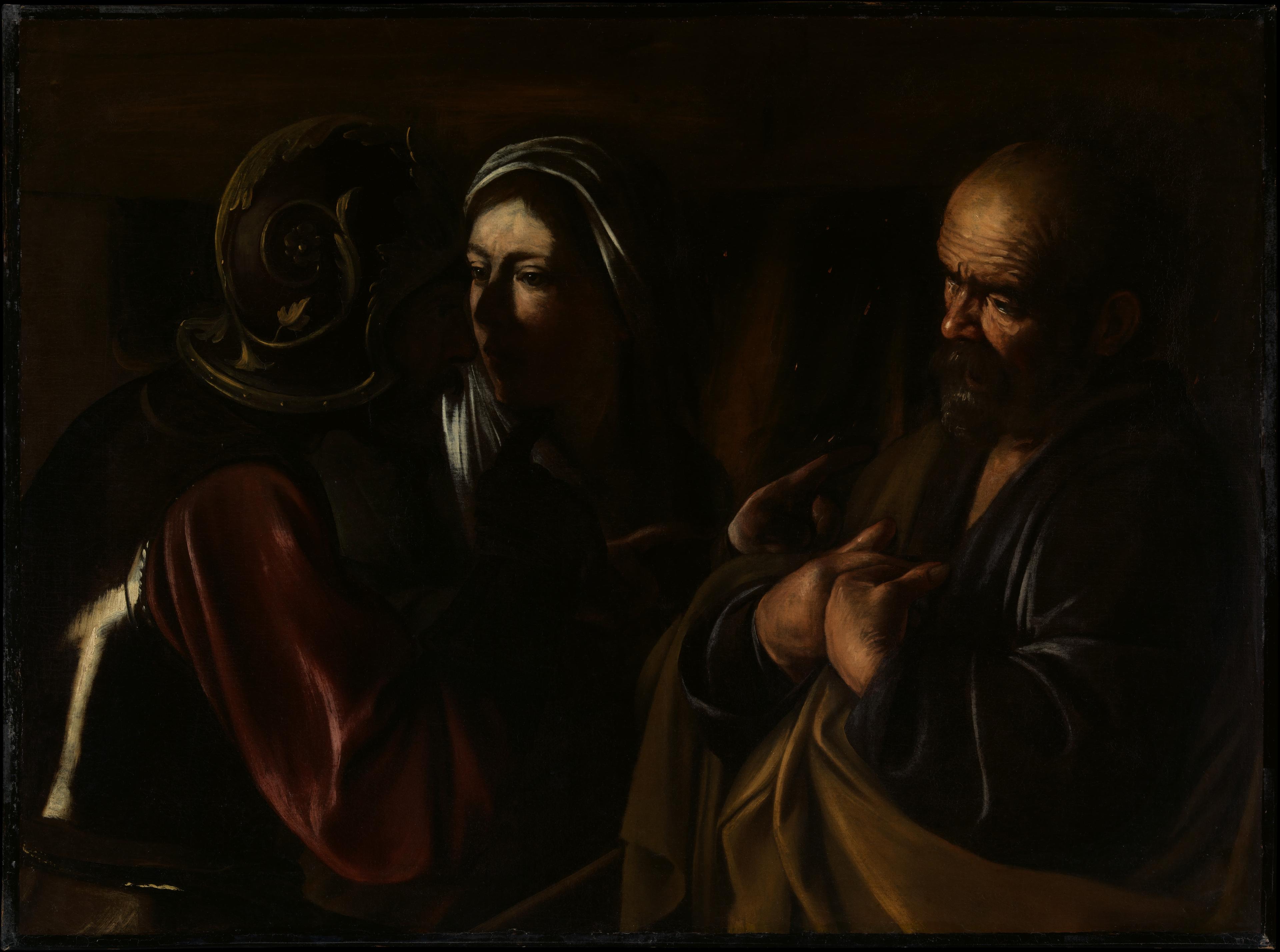
Caravaggio
Anonymous, 17th century
Anna Maria Carew