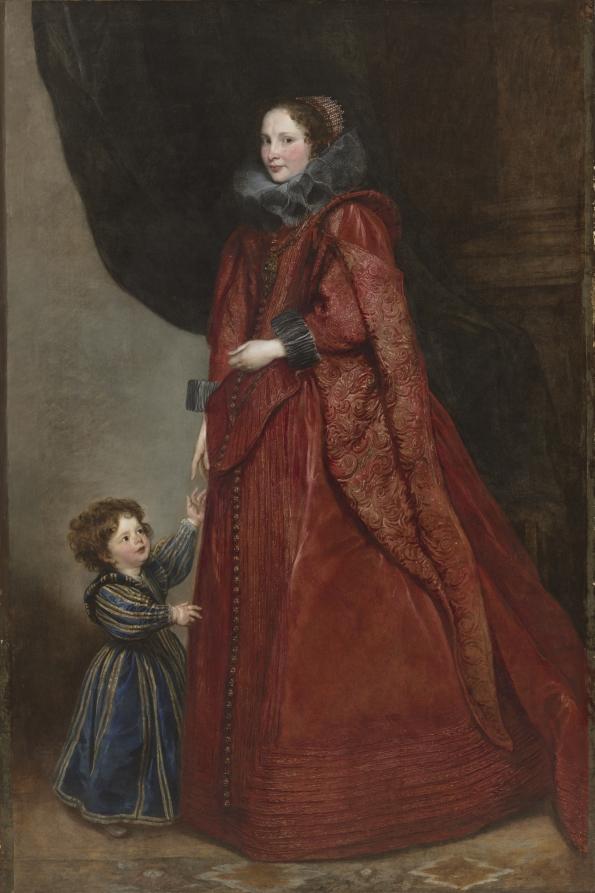
A Genoese Lady with Her Child
Anthony van Dyck
1415 likes65 comments
Paintale uses cookies for essential site functionality and, where enabled, to serve relevant advertising via Google AdSense. You can accept all cookies or reject non-essential ones. See our Privacy Policy for details.
Now viewing
Portrait of the Jester Calabazas
Diego Velázquez
Period
Baroque
Theme
Portrait
Medium
oil on canvas
Current Location
Cleveland Museum of Art, Cleveland
The Story
Portrait of the Jester Calabazas, c. 1631–32. Diego Velázquez (Spanish, 1599–1660). Oil on canvas; framed: 199.3 x 133.1 x 12.7 cm (78 7/16 x 52 3/8 x 5 in.); unframed: 175 x 106 cm (68 7/8 x 41 3/4 in.). The Cleveland Museum of Art, Leonard C. Hanna Jr. Fund, 1965.15
Created in 1631 during the Baroque period, this work belongs firmly within the portrait tradition. Diego Velázquez worked at a moment when the rivalry between Catholic Baroque drama and Protestant restraint reshaped what a painting could mean. Every gesture, fabric, and gleam of light was decoded by contemporary viewers like a private language.
The physical object — oil on canvas, Framed: 199.3 x 133.1 x 12.7 cm (78 7/16 x 52 3/8 x 5 in.); Unframed: 175 x 106 cm (68 7/8 x 41 3/4 in.) — carries its own history of handling and restoration. Diego Velázquez's brushwork here moves between exacting description and looser, more suggestive passages, a balance typical of Baroque studio practice.
Look closely and the painting opens up. Objects you might pass over — a folded letter, a half-drawn curtain, the angle of a glance — were placed to be read. Every prop in a portrait like this is a decision — jewelry, fabric, and hand position were negotiated between painter and patron to shape how the sitter would be remembered.
Cleveland Museum of Art in Cleveland now holds the work, where conservators and historians continue to revisit its condition and attribution. Each generation of scholarship adds a layer to how Diego Velázquez's output from this period is understood.
“A silence so complete it becomes its own witness.”
Portrait of the Jester Calabazas, c. 1631–32. Diego Velázquez (Spanish, 1599–1660). Oil on canvas; framed: 199.3 x 133.1 x 12.7 cm (78 7/16 x 52 3/8 x 5 in.); unframed: 175 x 106 cm (68 7/8 x 41 3/4 in.). The Cleveland Museum of Art, Leonard C. Hanna Jr. Fund, 1965.15
Accession: 1965.15. Leonard C. Hanna Jr. Fund
Technique: oil on canvas.
Royal Collections (Palacio del Beun Retiro, Madrid) Private Collection (Great Britain) Jean-Gilbert-Victor Fialin, Duc de Persigny, 1808-1872 (Paris, France) (sold, Hotel Drouot, Paris, April 4,1872, as "Le Fou," for 750 francs Maurice Cottier (died 1881), (Paris, France, and Château Cangé, Touraine. Sir George Donaldson (1845-1925) London, England, and Brighton, England, sold to Herbert Frederick Cook, 1915. Herbert Frederick Cook, later 3rd Baronet, 1868-1939 (Richmond, England), by inheritance to Francis Ferdinand Maurice Cook, 1939. Francis Ferdinand Maurice Cook, 4th Baronet, 1907-1978 since 1956 (sold, Christie's, London, March 19, 1965, lot 104, through Thomas Agnew & Sons (London, England) to the Cleveland Museum of Art. The Cleveland Museum of Art, Cleveland, OH
Cleveland Museum of Art, Cleveland. View on the museum’s official page.
See more works at Cleveland Museum of Art or browse the full Diego Velázquez collection.
A restrained palette and sculptural lighting create a solemn geometry. The wooden crate and letter anchor the narrative with journalistic precision.
Sources
Keep Exploring
More paintings like this
Anthony van Dyck
Guido Reni
Pieter de Hooch
Rembrandt
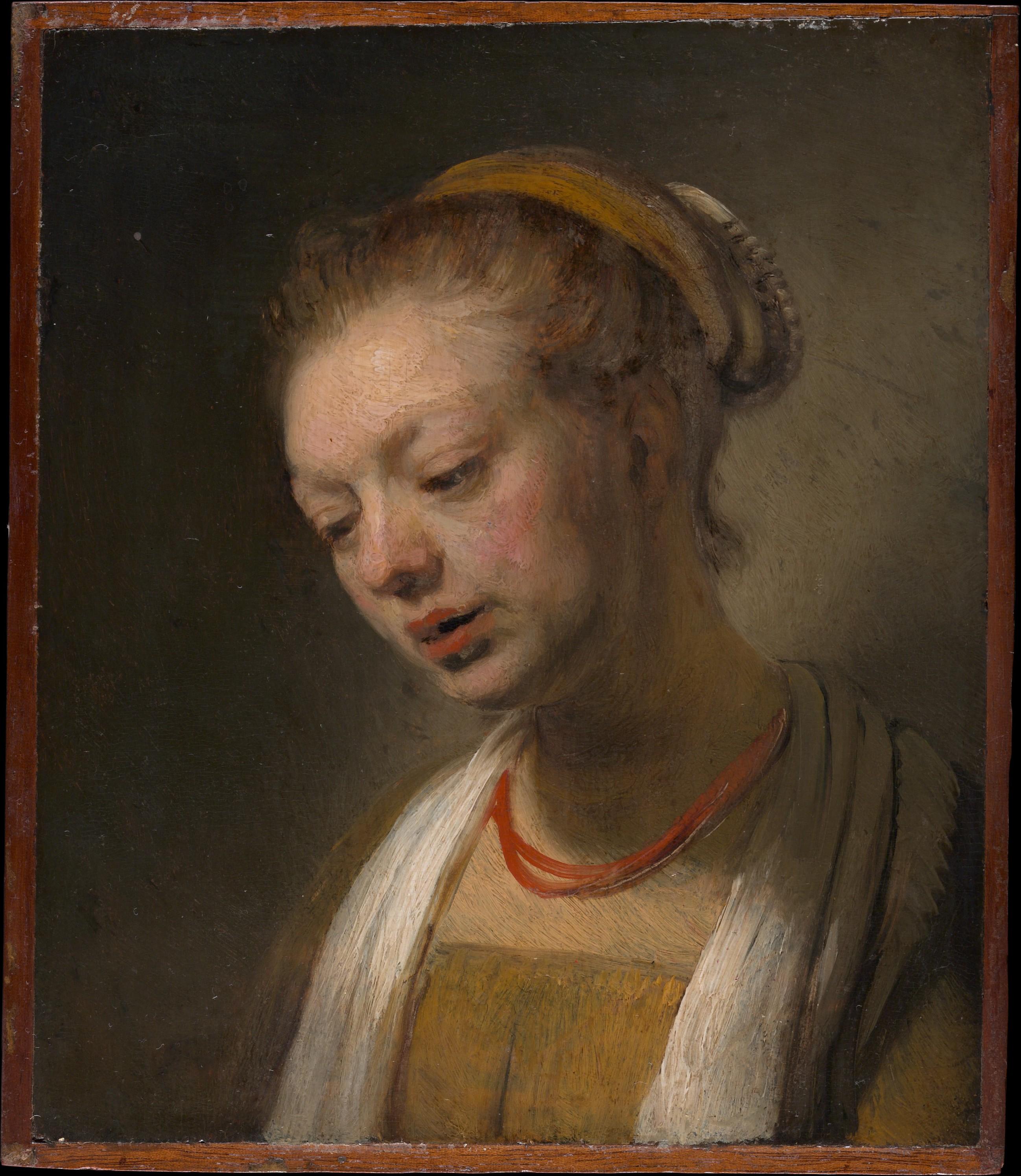
Rembrandt
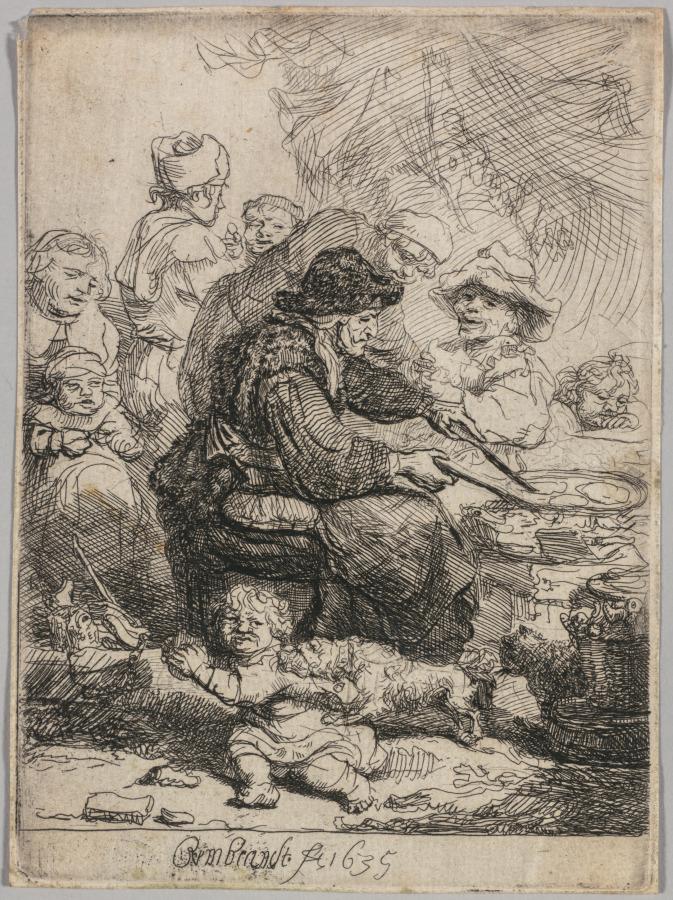
Rembrandt van Rijn
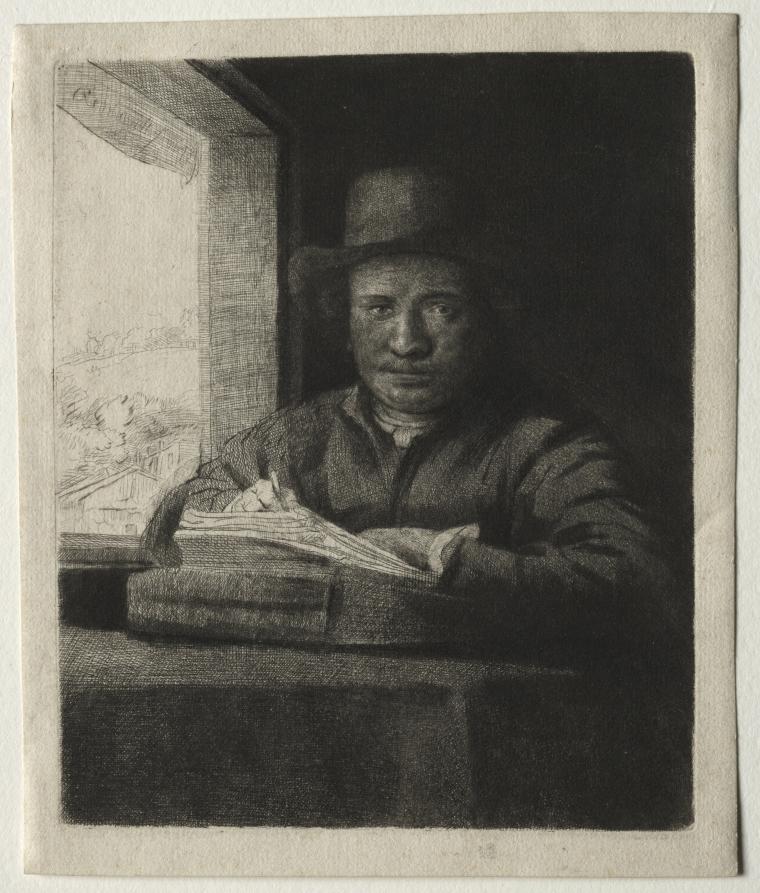
Rembrandt van Rijn
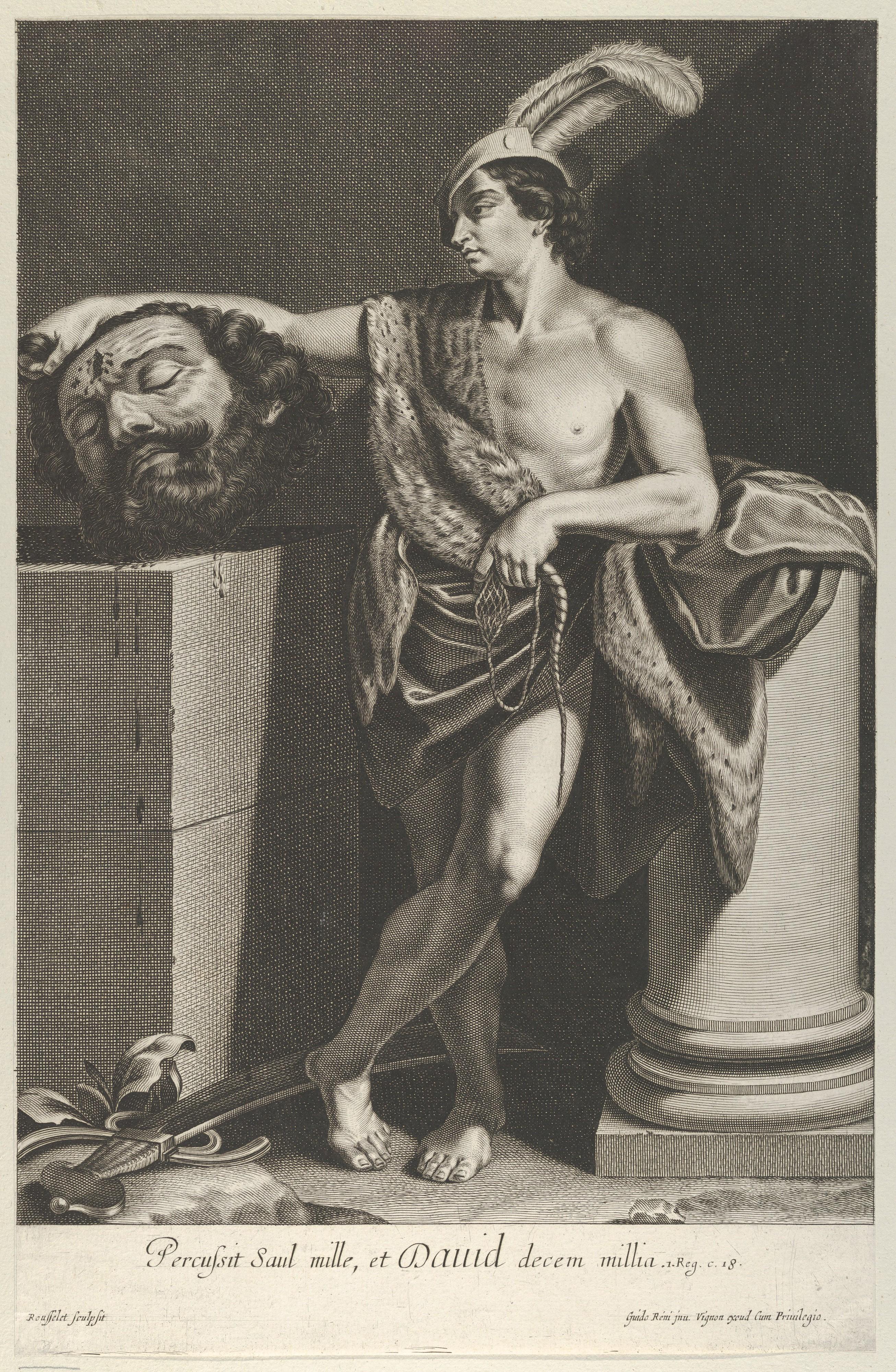
Gilles Rousselet