Landscape
Théodore Rousseau
1346 likes76 comments
Paintale uses cookies for essential site functionality and, where enabled, to serve relevant advertising via Google AdSense. You can accept all cookies or reject non-essential ones. See our Privacy Policy for details.
Now viewing
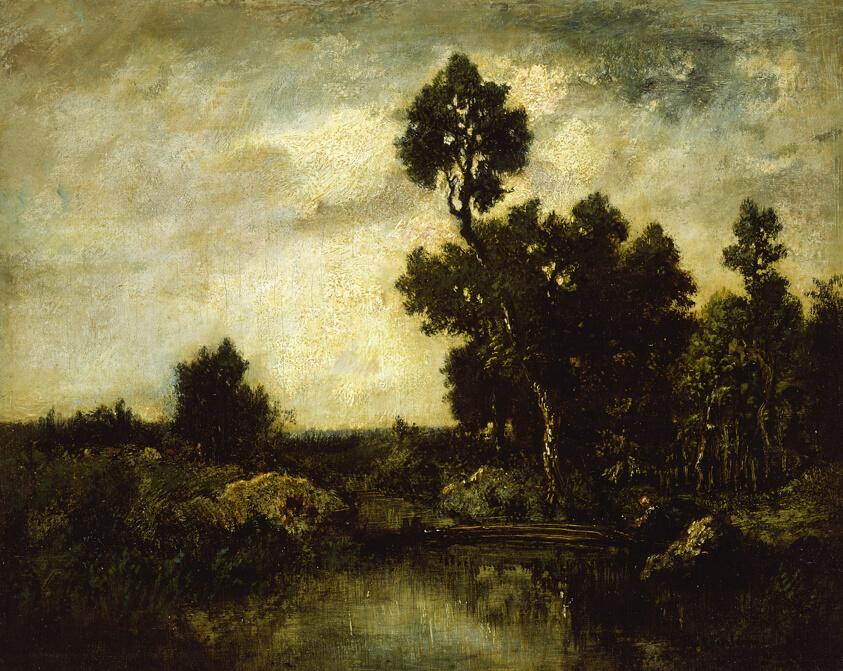
Springtime
Théodore Rousseau
Period
1831-1870
Theme
Daily Life
Medium
Oil on panel
Current Location
Art Institute of Chicago, Chicago
The Story
Springtime is one of the most evocative works by Théodore Rousseau, painted around 1855. The canvas distills the obsessions of the 1831-1870 era — patrons, faith, power, and the fragile theatre of human emotion — into a single, charged image.
Created in 1855, this work belongs firmly within the daily life tradition of American painting. Théodore Rousseau worked at a moment when the young republic was still deciding what its own art should look like — how much to borrow from Europe, how much to invent from its own landscape and daily life. Every gesture, fabric, and gleam of light was pitched at an audience learning to take American subjects seriously.
Working in Oil on panel at 42.2 × 54 cm (15 5/8 × 21 1/4 in.); Framed: 71.8 × 85.1 cm (28 1/4 × 33 1/2 in.), Théodore Rousseau constructs depth through value contrast rather than outline, letting figures emerge from darkness the way they would under candlelight or through a shuttered window.
Look closely and the painting opens up. Objects you might pass over — a folded letter, a half-drawn curtain, the angle of a glance — were placed to be read. Scenes like this were prized precisely because they made ordinary labor and leisure worth painting at all.
Art Institute of Chicago in Chicago now holds the work, where conservators and historians continue to revisit its condition and attribution. Each generation of scholarship adds a layer to how Théodore Rousseau's output from this period is understood.
“A silence so complete it becomes its own witness.”
Henry Field Memorial Collection
Technique: oil painting, panel painting, painting techniques, painting (image making), painting.
John Saulnier, Bordeaux, by 1886; his sale, Paris, Hôtel Drouot, June 5, 1886, lot 73 for 24,500 francs to Brogue et Cie, possibly as agent for Eugène Secrétan [price and buyer according to an annotated sale catalogue in the Rijksbureau voor Kunsthistorische Documentatie, The Hague]. Eugène Secrétan, Paris, by 1889; his sale Galerie Sedelmeyer, July 1, 1889, lot 71. Henry Field (died 1890), Chicago; his widow Mrs. Florence Lathrop Field; given to the Art Institute, 1894.
Art Institute of Chicago, Chicago. View on the museum’s official page.
See more works at Art Institute of Chicago or browse the full Théodore Rousseau collection.
A restrained palette and sculptural lighting create a solemn geometry. The wooden crate and letter anchor the narrative with journalistic precision.
Sources
Keep Exploring
More paintings like this
Théodore Rousseau
Théodore Rousseau
Rosa Bonheur
David Dalhoff Neal
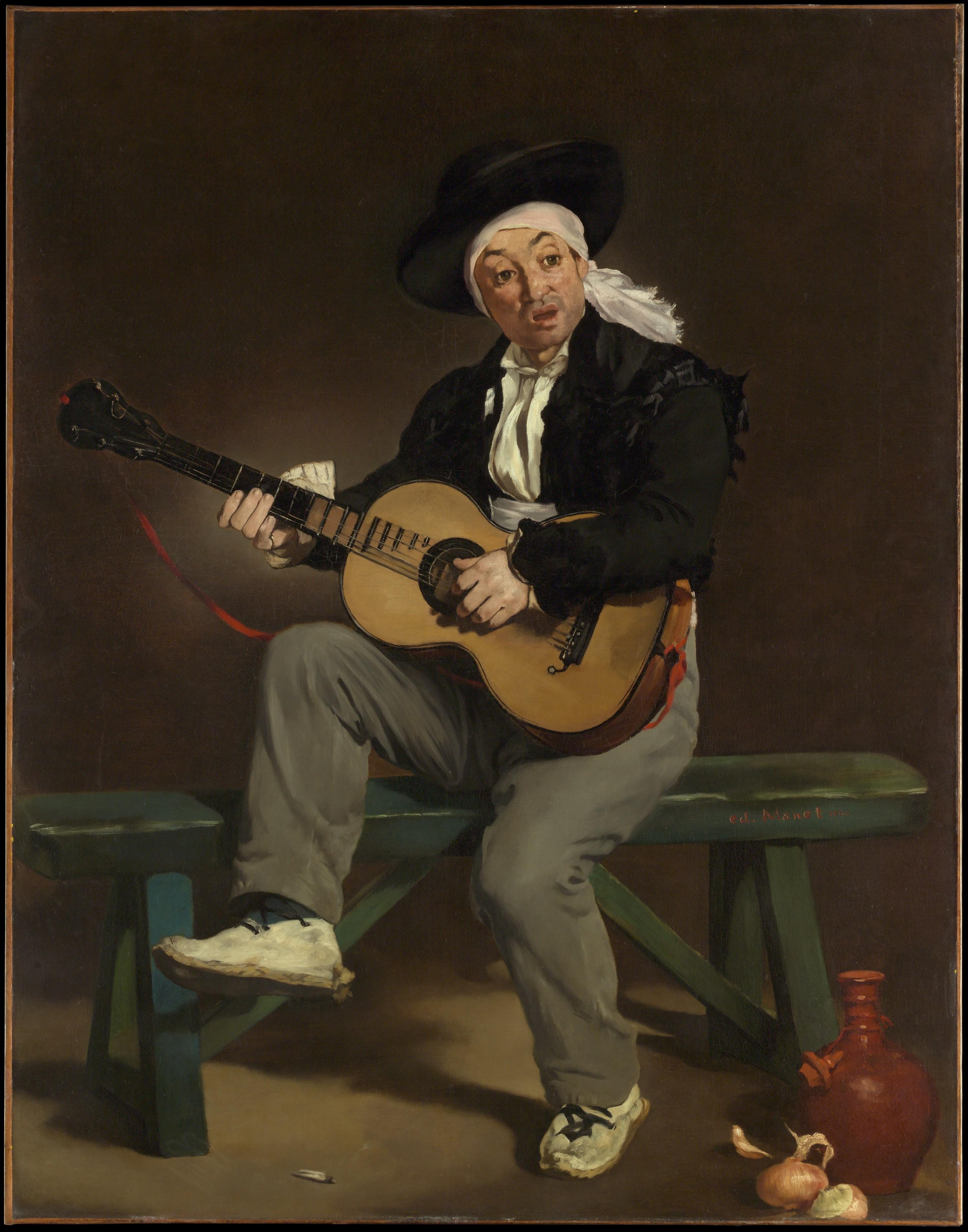
Edouard Manet
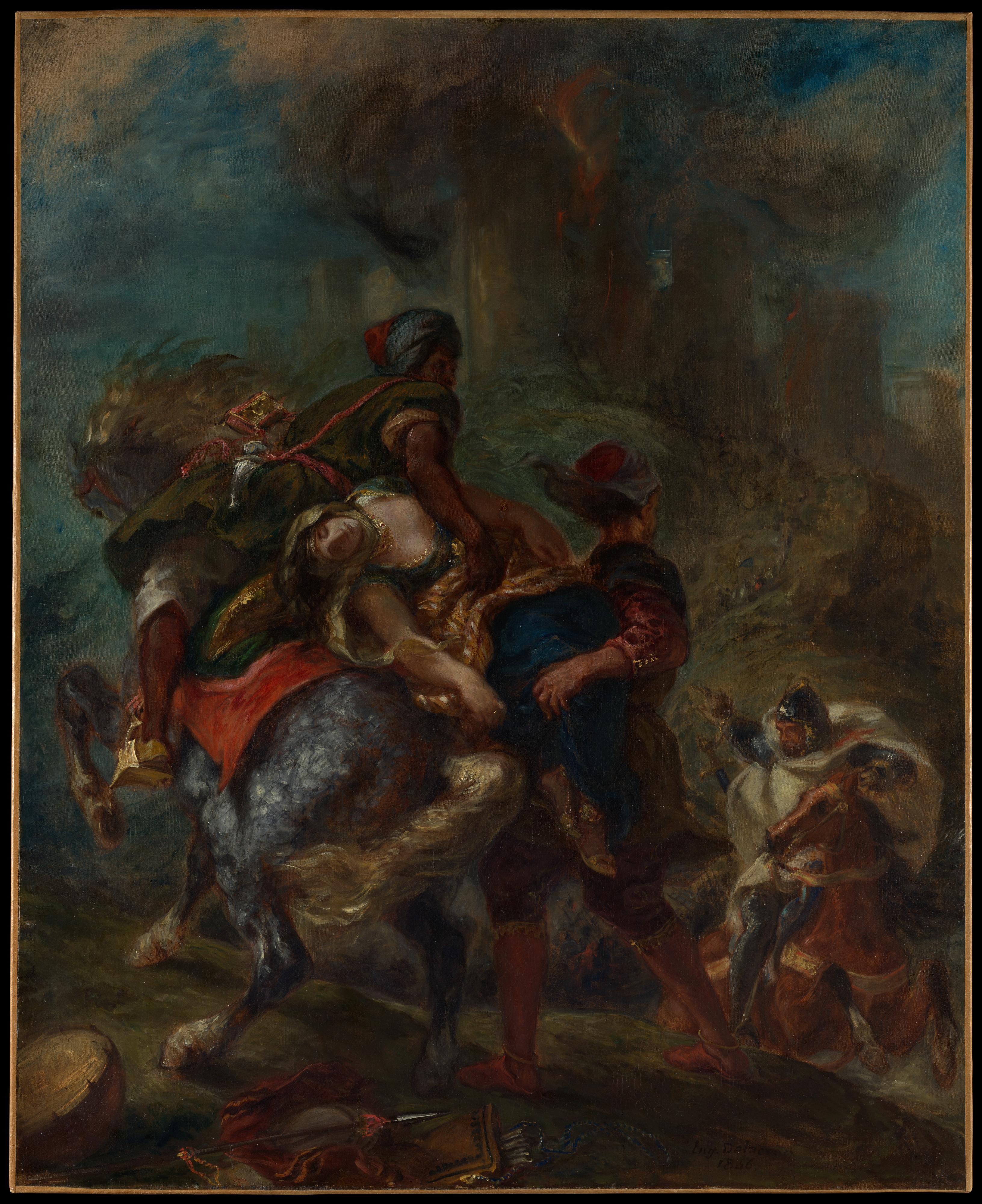
Eugène Delacroix
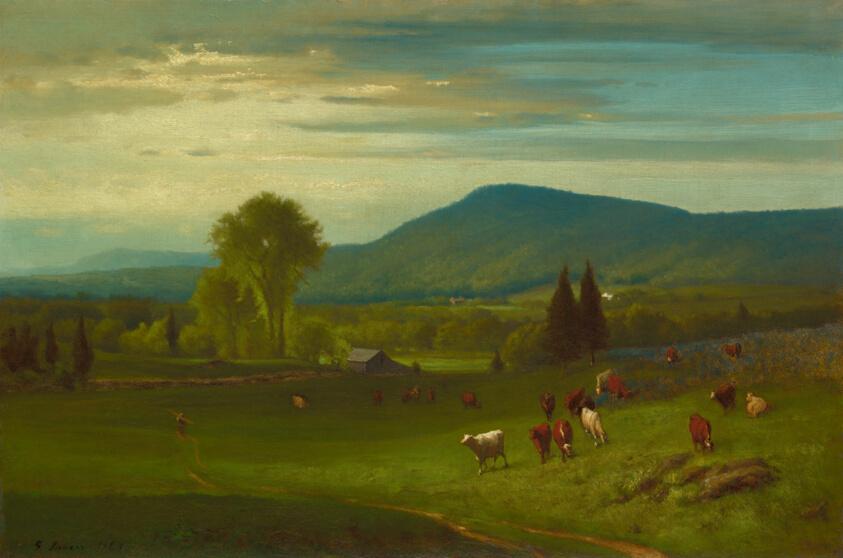
George Inness
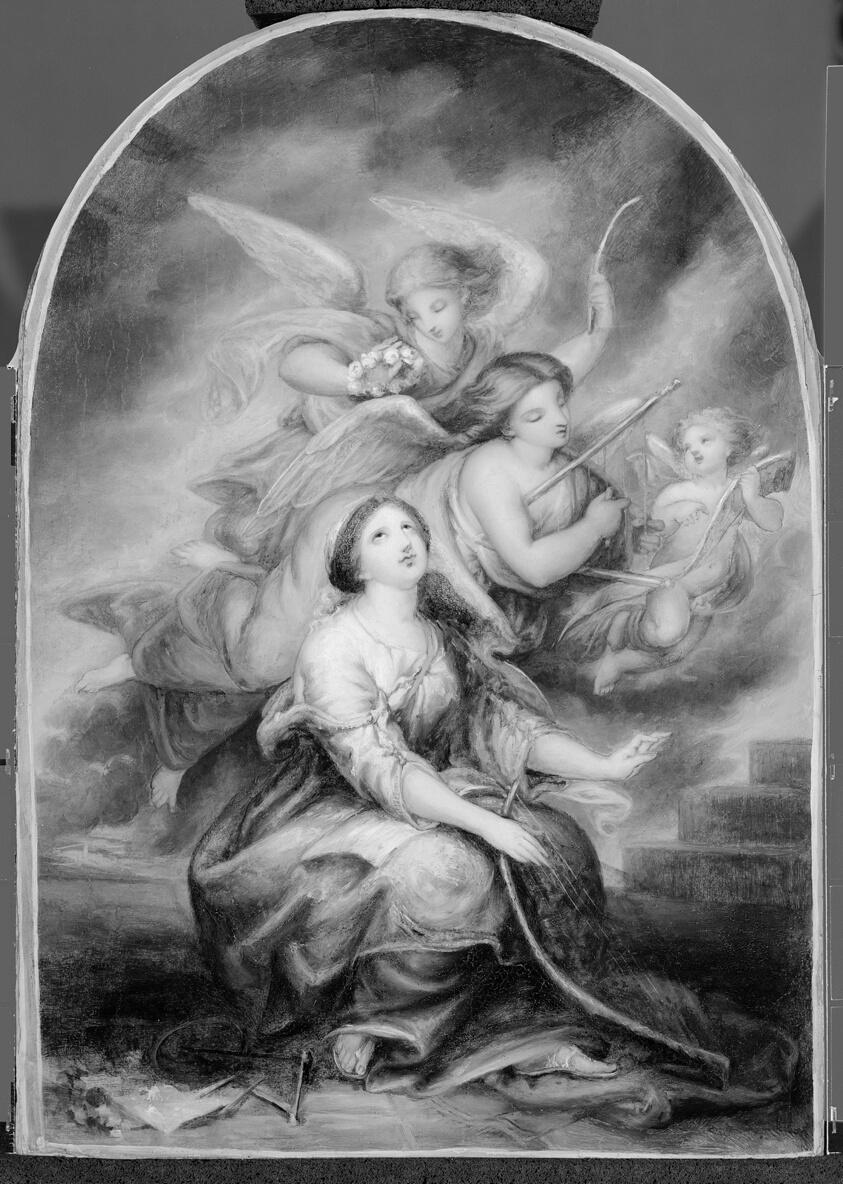
Antoine Wiertz