The Story
Judith Jans Leyster (also Leijster; baptised July 28, 1609 – February 10, 1660) was a Dutch Golden Age painter of genre works, portraits, and still lifes. Her work was highly regarded by her contemporaries but largely forgotten after her death. Her entire oeuvre came to be attributed to Frans Hals or to her husband, Jan Miense Molenaer. In 1893, she was rediscovered and scholars began to attribute her works correctly.
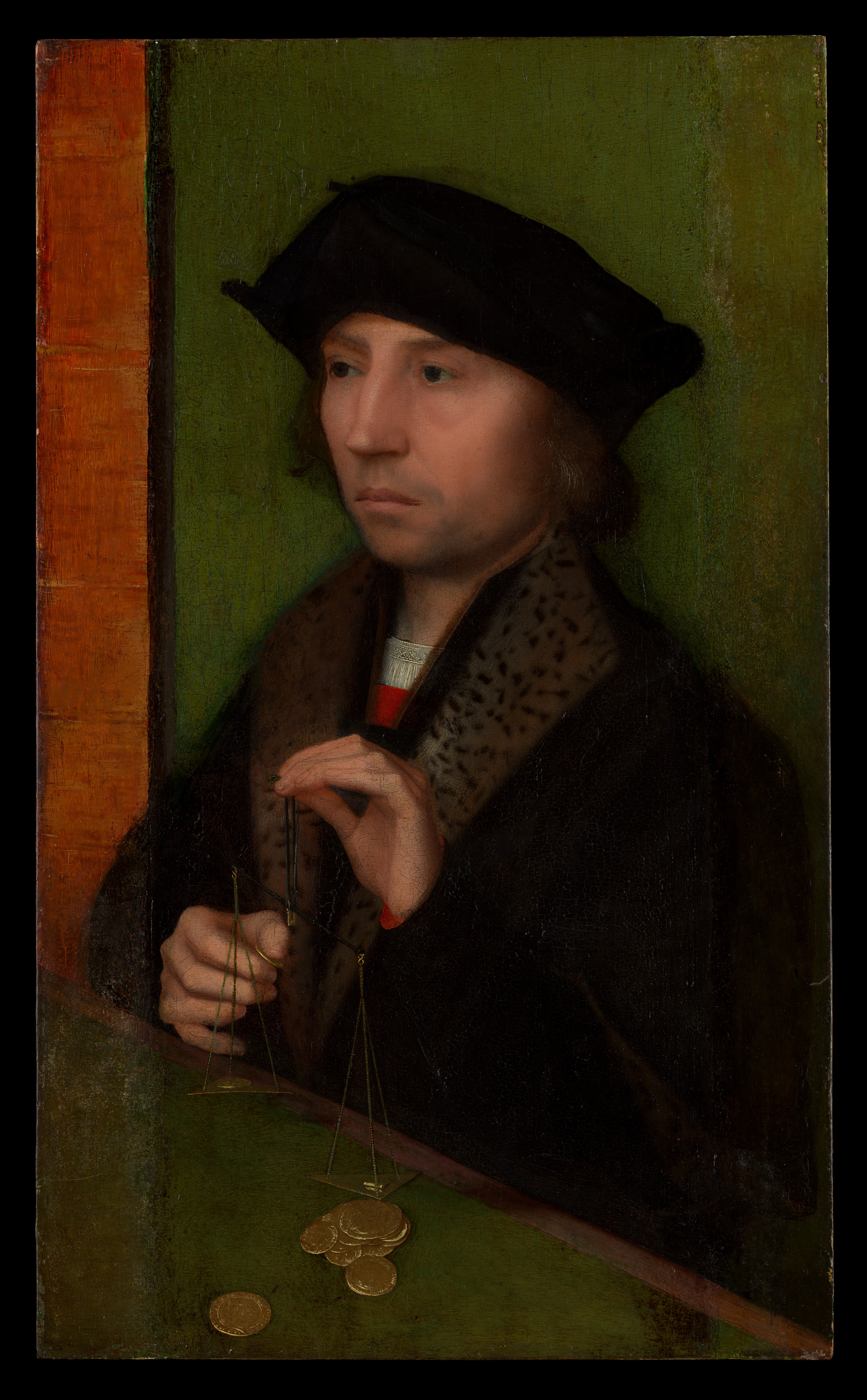
Created in 1630 during the 1600-1650 period, this work belongs firmly within the portrait tradition. Judith Leyster worked at a moment when the rivalry between Catholic Baroque drama and Protestant restraint reshaped what a painting could mean. Every gesture, fabric, and gleam of light was decoded by contemporary viewers like a private language.
Executed in height 61 cm x width 52 cm, measuring height: 61; width: 52, the surface rewards close looking. Judith Leyster builds the composition through layered glazes and a tightly controlled palette, letting cool shadows recede so that the warm, lit passages step forward. The brushwork shifts from the precise to the almost dissolved — a hallmark of mature Baroque practice.
“A silence so complete it becomes its own witness.”