The Story
; collection Lucien Bonaparte (1775-1840), Paris, before 1804, whence removed following his exile; displayed in Rome, Palazzo Lancellotti, Primo Salone, no. 8 (‘Ritratto di Rubens, Vandik’), 13 June 1804;{List of 13 June 1804 by Domenico Conti Bazzani in M. ), _<em>Luciano Bonaparte: Le sue collezione d’arte, le sue residenze a Roma, nel Lazio, in Italia (1804-1840)</em>_, Rome 1995, app. 1, p. } transferred to the Palazzo Nuñez, room no. A. , Rome 1808, II, p.
} offered by Lucien Bonaparte now Prince of Canino, to the Accademia di San Luca for 2500 scudi, 1820;{M. ), _<em>Luciano Bonaparte: Le sue collezione d’arte, le sue residenze a Roma, nel Lazio, in Italia (1804-1840)</em>_, Rome 1995, app. 3, p. } application for a license to export to Bologna, as ‘Wandick: Ritratto di Rubens’, 17 October 1823;{M. ), _<em>Luciano Bonaparte: Le sue collezione d’arte, le sue residenze a Roma, nel Lazio, in Italia (1804-1840)</em>_, Rome 1995, app. 4, p.
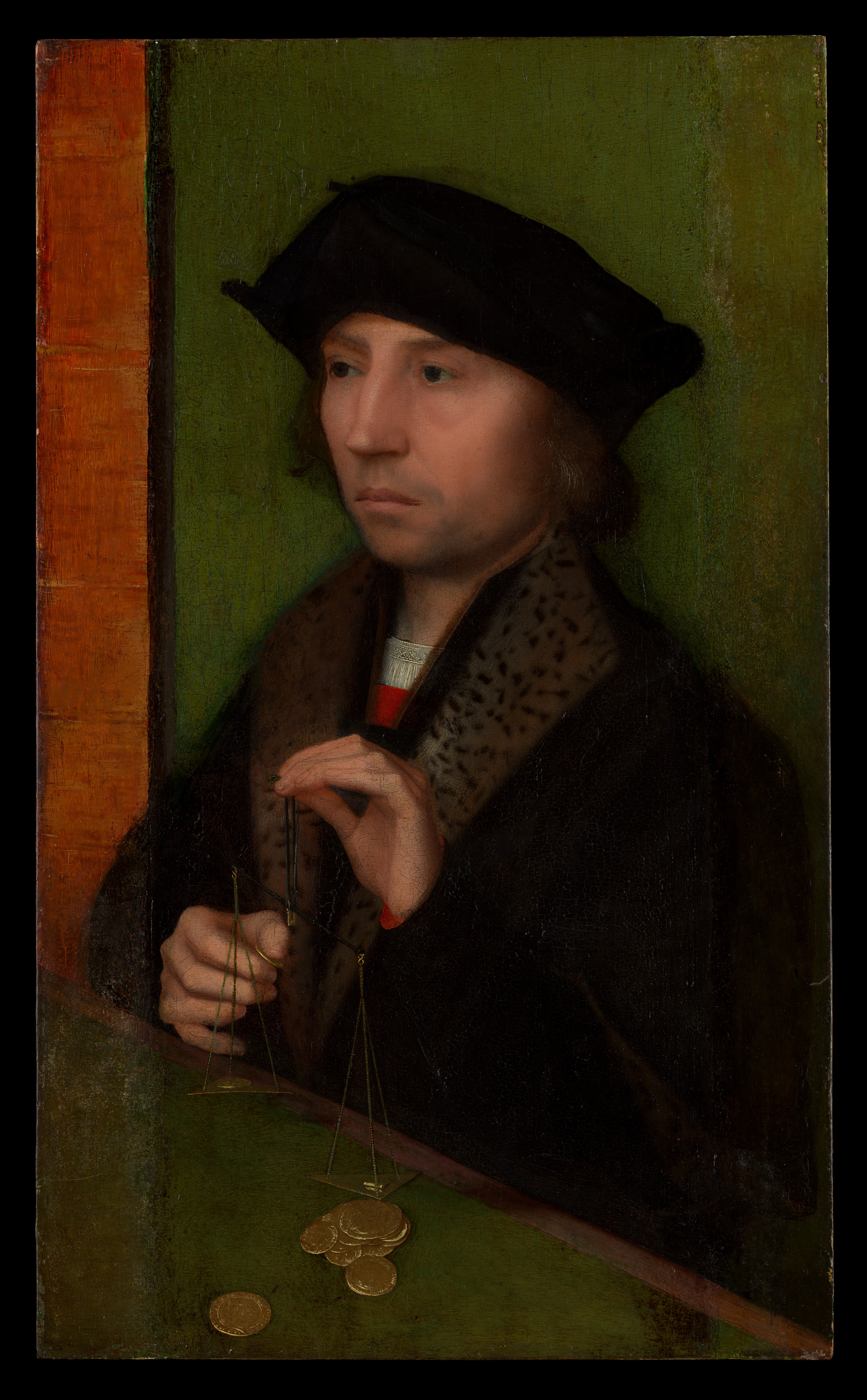
Executed in outer size: depth 10 cm (support incl. frame), measuring width: 59; height: 75; depth: 10, the surface rewards close looking. Anthony van Dyck builds the composition through layered glazes and a tightly controlled palette, letting cool shadows recede so that the warm, lit passages step forward. The brushwork shifts from the precise to the almost dissolved — a hallmark of mature Baroque practice.
“A silence so complete it becomes its own witness.”