The Story
Rembrandt Harmenszoon van Rijn (15 July 1606 – 4 October 1669), known mononymously as Rembrandt, was a Dutch Golden Age painter, printmaker, and draughtsman. He is generally considered one of the greatest visual artists in the history of Western art. It is estimated that Rembrandt's surviving works amount to about three hundred paintings, three hundred etchings, and several hundred drawings.
Unlike most Dutch painters of the 17th century, Rembrandt's works depict a wide range of styles and subject matter, from portraits and self-portraits to landscapes, genre scenes, allegorical and historical scenes, biblical and mythological subjects and animal studies. His contributions to art came in a period that historians call the Dutch Golden Age. Rembrandt never went abroad, but was considerably influenced by the work of the Italian Old Masters and Dutch and Flemish artists who had studied in Italy.
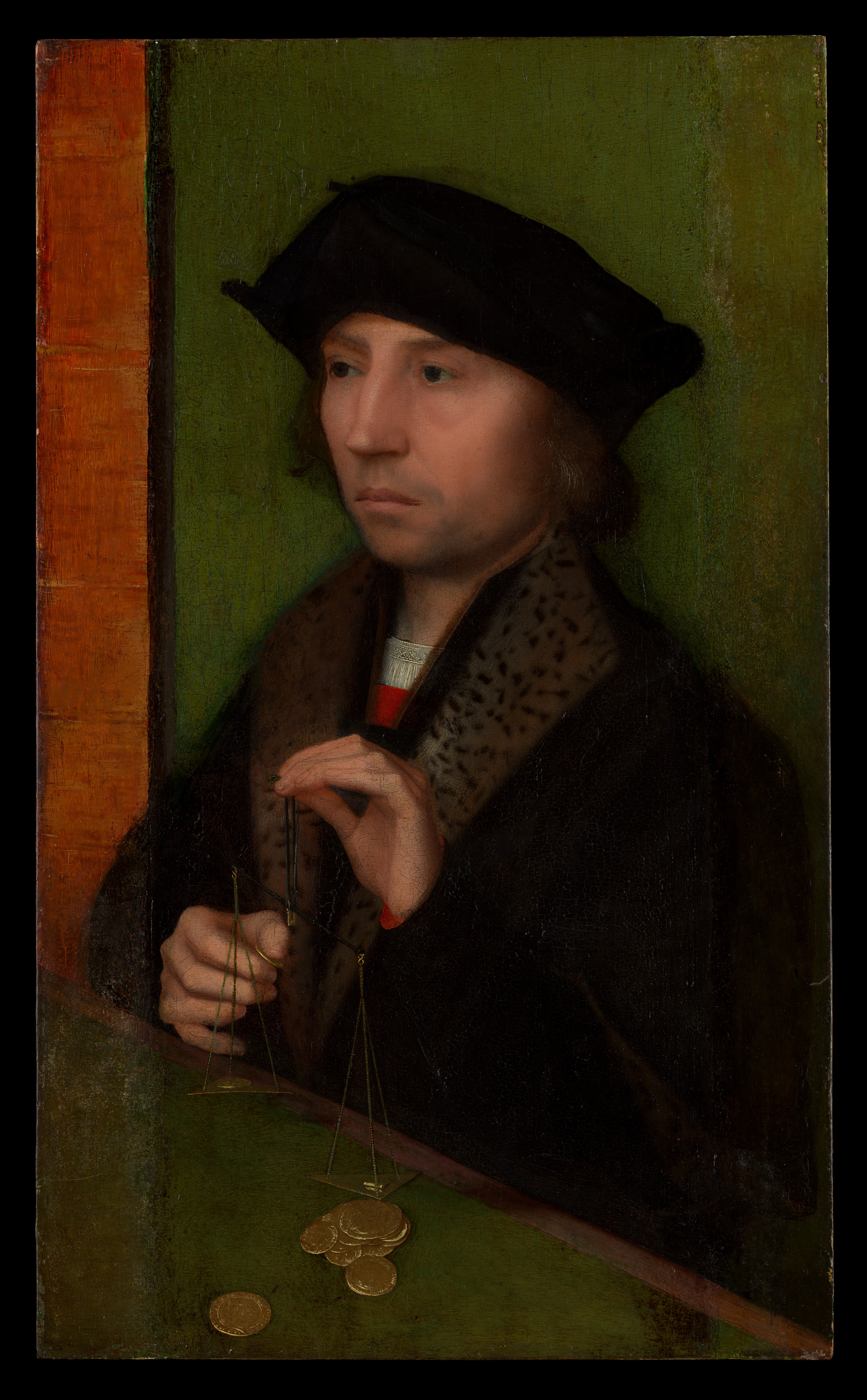
Executed in Purchased with the support of the Vereniging Rembrandt and the Stichting tot Bevordering van de Belangen van het Rijksmuseum, measuring height: 51; depth: 4.5; width: 55.9; height: 69; width: 39, the surface rewards close looking. Rembrandt van Rijn builds the composition through layered glazes and a tightly controlled palette, letting cool shadows recede so that the warm, lit passages step forward. The brushwork shifts from the precise to the almost dissolved — a hallmark of mature Baroque practice.
“A silence so complete it becomes its own witness.”