The Story
…; ? sale, Willem Six (1662-1733, Amsterdam), Amsterdam (G. </em>), 12 May 1734, no. ), fl. } …; sale, Johan Hendrik, Graaf van Wassenaer Obdam (1683-1745, The Hague), The Hague (P. </em>, no. 8 ('Het Doctoortje, met 2 Handen. ), fl. 138, to the dealer P. Ietswaart, probably for Gerret Braamcamp (1699-1771), Amsterdam;{Bille 1961, II, p. 114, no. } first recorded in his collection, 1752;{Coll. cat. Braamcamp 1752, p. 508: 'Een dito van een oud Man, zynde het Doctoortje, door denzelven [Rembrandt] h. , br. 6 d. } his sale, Amsterdam (P.
</em>), 31 July 1771, no. 178 (‘Hoog 7 1/2, en breed 6 duim. 4 cm] Pnl. Het Pourtrait van Ephraïm Bonus, bekend onder den naam van Joodsche Doctor, zynde ter halver lyf verbeeld, als van een trap afkomende. ), fl. 200, to the dealer P. Fouquet; …; sale, Jonkheer Johan Goll van Franckenstein (1756-1832, Amsterdam), Amsterdam (J. </em>) 1 July 1833, no. 67 ('Hauteur 19 cm; largeur 16 cm. Bois. Pourtrait d'Ephraim Bonus surnommé le docteur juif et connu par la gravure qu'en a faite Rembrandt lui-même.
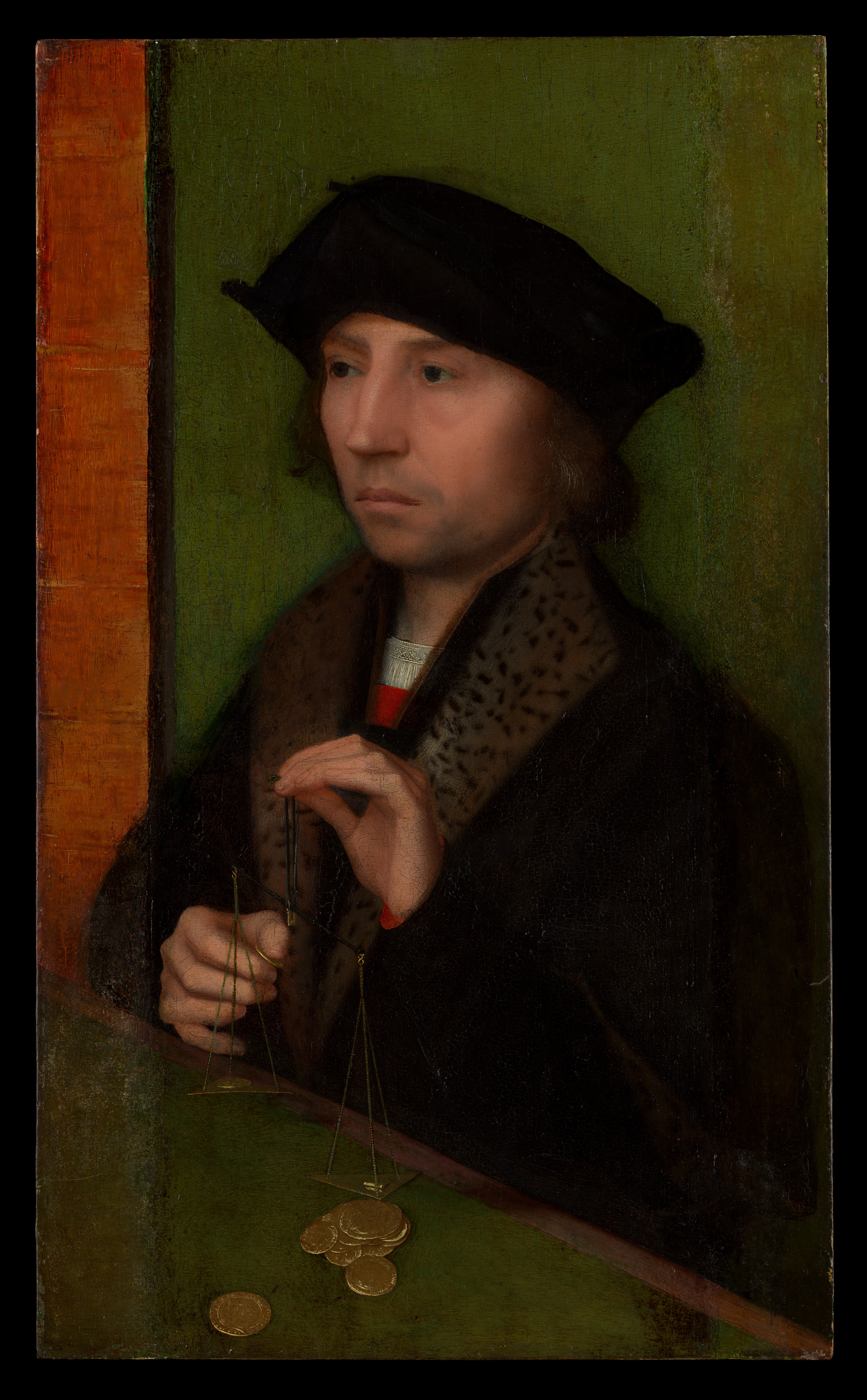
Executed in depth 6 cm, measuring height: 19; width: 15; depth: 6, the surface rewards close looking. Rembrandt van Rijn builds the composition through layered glazes and a tightly controlled palette, letting cool shadows recede so that the warm, lit passages step forward. The brushwork shifts from the precise to the almost dissolved — a hallmark of mature Baroque practice.
“A silence so complete it becomes its own witness.”