The Story
P. Zomer), 6 April 1702, no. 89 (‘Man en Vrouw, leevensgroote van Frans Hals’), fl. } ? estate inventory, Jan Six (1618-1700) and Margaretha Tulp (1634-1709), Amsterdam, 6 January 1710, in the large side room (‘Beelden in een lantschap van F. Hals, fl. 18’);{GAA, NA 4845, fols. </em>), 25 November 1851, no. 15, fl.
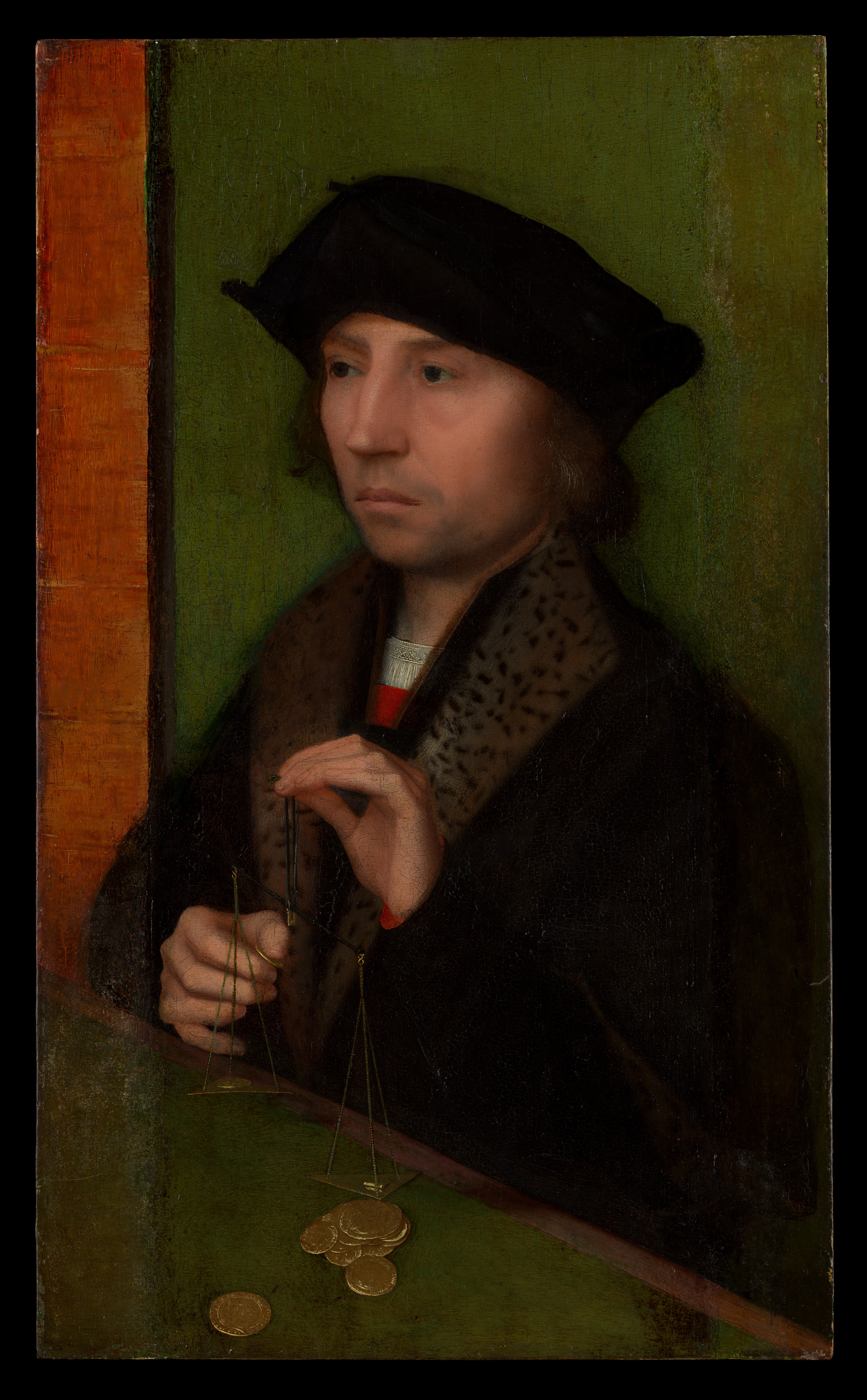
Created in 1622 during the 1600-1650 period, this work belongs firmly within the portrait tradition. Frans Hals worked at a moment when the rivalry between Catholic Baroque drama and Protestant restraint reshaped what a painting could mean. Every gesture, fabric, and gleam of light was decoded by contemporary viewers like a private language.
Executed in support: height 140 cm x width 166.5 cm, measuring height: 140; width: 166.5, the surface rewards close looking. Frans Hals builds the composition through layered glazes and a tightly controlled palette, letting cool shadows recede so that the warm, lit passages step forward. The brushwork shifts from the precise to the almost dissolved — a hallmark of mature Baroque practice.
“A silence so complete it becomes its own witness.”