The Story
…; ? sale Pieter van der Lip (1655-1712), Amsterdam, 14 June 1712, no. 22, fl. 110;{Hoet and Terwesten 1752-1770, vol. 1 (1752), p. } …; ? collection Mozes de Chaves (1718-1762), Amsterdam, 1759;{In Meijer 1947, p. } his sale, Amsterdam (H. de Winter and J. </em>, no. 23, as ‘Van der Neer (de Delfsche)’, fl. cat. Dresden 2021, p. B. </em>, no. 181, fl. 43, to the dealer P. } …; anonymous sale, Amsterdam (P. </em>, no. 73, fl. 70;{Copy RKD; in Liedtke 2008 incorrectly as no. } …; sale Herman ten Kate (1741-1800, The Hague), Amsterdam (P.
</em>, no. 118, fl. } …; sale Auguste-Louis-Cesar-Hyppolite-Theodore de L’Espinasse de Langeac (1759-1814), Paris (A. Paillet and H. </em>, no. 85, fr. } his sale, Paris (M. </em>, no. 127, fr. 2,060 or fr. } …; the dealer John Smith, London, 1831;{Sebag-Montefiore and Armstrong-Totten 2013, p. , p.
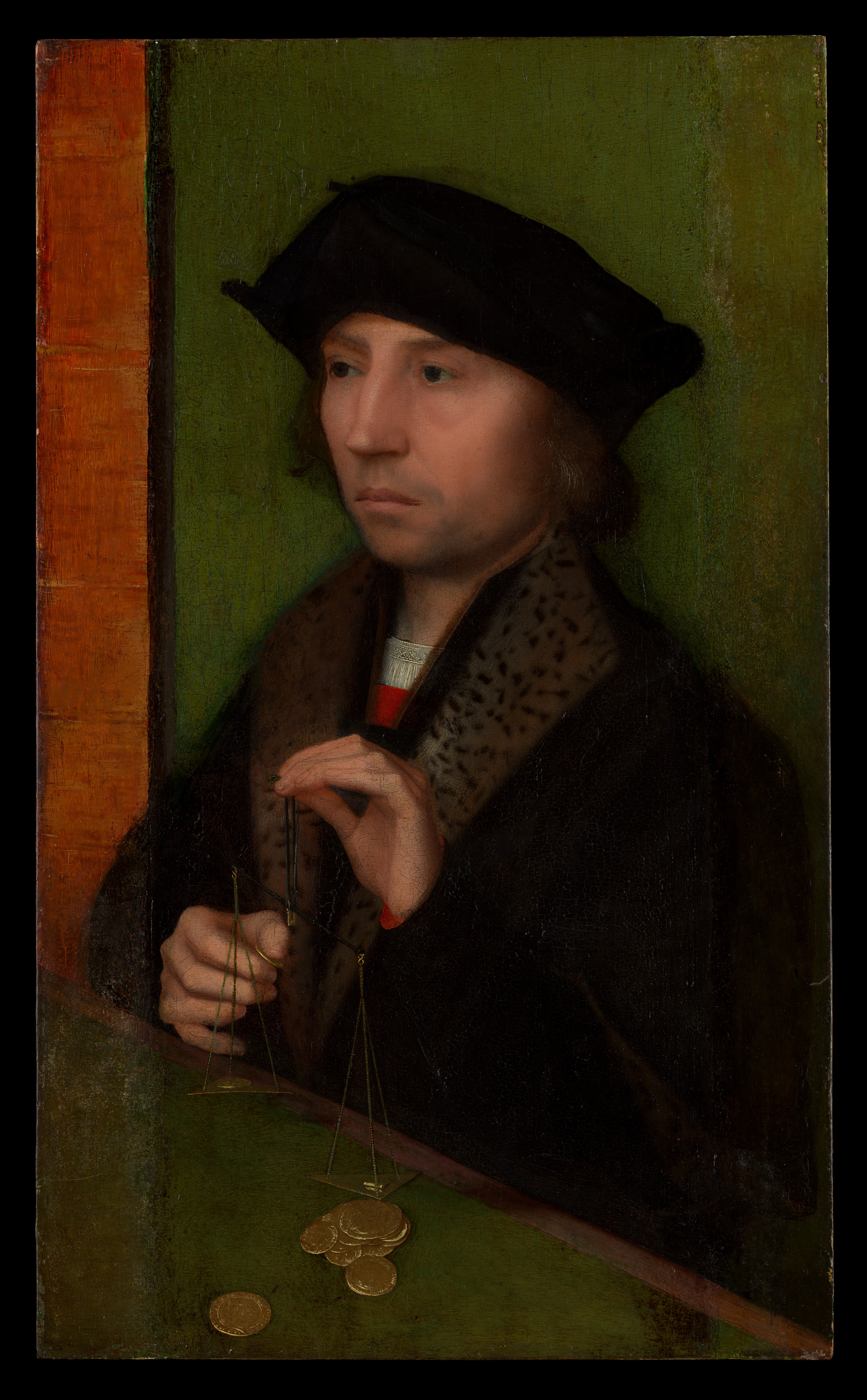
Executed in height 46.5 cm x width 39 cm x depth 6.5 cm, measuring width: 39; height: 46.5; height: 70; width: 63; depth: 6.5, the surface rewards close looking. Johannes Vermeer builds the composition through layered glazes and a tightly controlled palette, letting cool shadows recede so that the warm, lit passages step forward. The brushwork shifts from the precise to the almost dissolved — a hallmark of mature Baroque practice.
“A silence so complete it becomes its own witness.”