The Story
Gerard ter Borch (Dutch: [ˈɣeːrɑrt tɛr ˈbɔr(ə)x]; December 1617 – 8 December 1681), also known as Gerard Terburg (Dutch: [ˈɣeːrɑrt tɛrˈbʏr(ə)x]), was a Dutch Golden Age painter mainly of genre subjects. He influenced his fellow Dutch painters Gabriel Metsu, Gerrit Dou, Eglon van der Neer and Johannes Vermeer. According to Arthur K. Wheelock Jr., Ter Borch "established a new framework for subject matter, taking people into the sanctum of the home", showing the figures' uncertainties and expertly hinting at their inner lives. His influence as a painter, however, was later surpassed by Vermeer.
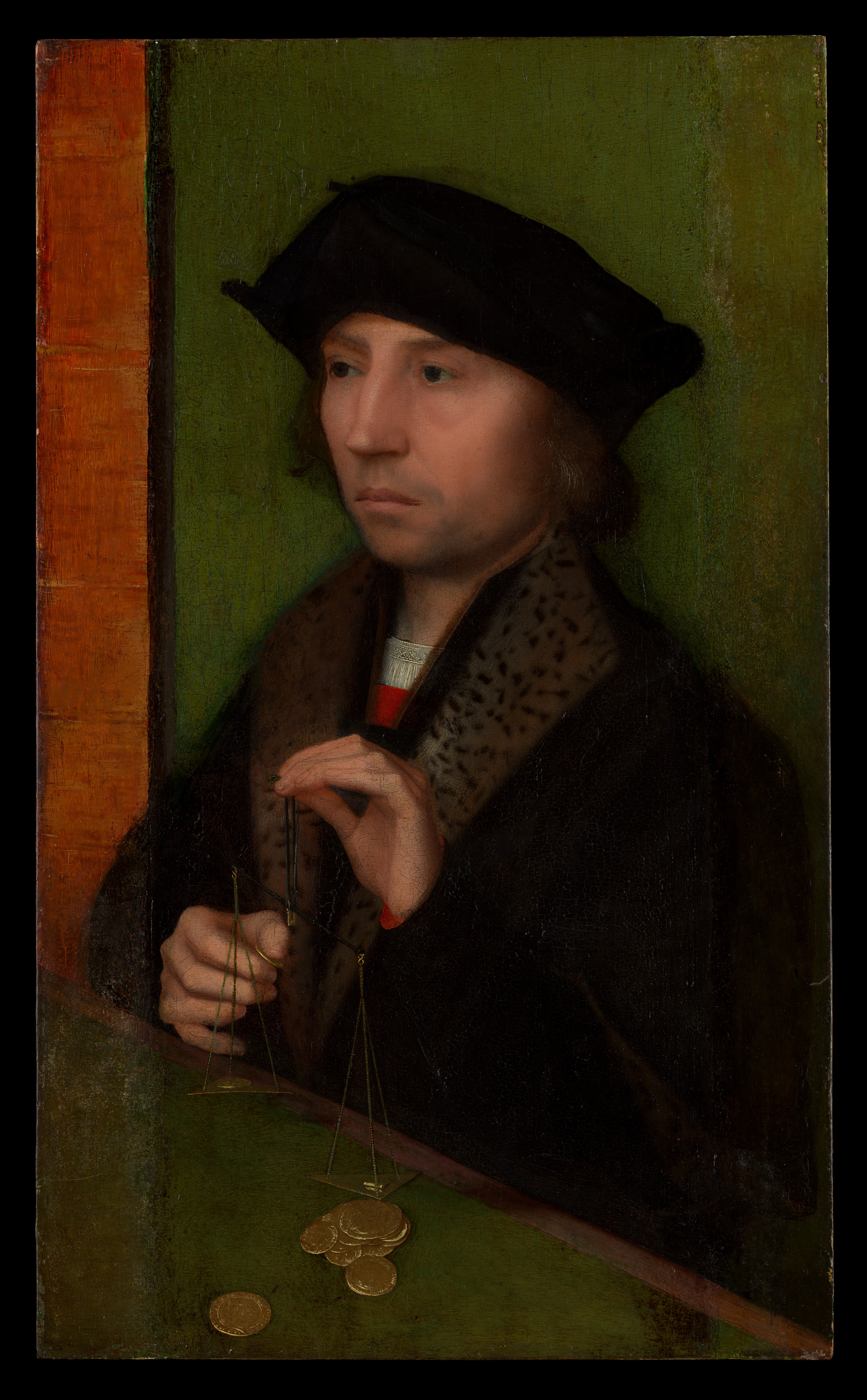
Created in 1654 during the 1650-1700 period, this work belongs firmly within the power & politics tradition. Gerard ter Borch worked at a moment when the rivalry between Catholic Baroque drama and Protestant restraint reshaped what a painting could mean. Every gesture, fabric, and gleam of light was decoded by contemporary viewers like a private language.
Executed in height 71 cm x width 73 cm, measuring height: 85; height: 71; thickness: 8.5; width: 87; width: 73, the surface rewards close looking. Gerard ter Borch builds the composition through layered glazes and a tightly controlled palette, letting cool shadows recede so that the warm, lit passages step forward. The brushwork shifts from the precise to the almost dissolved — a hallmark of mature Baroque practice.
“A silence so complete it becomes its own witness.”