The Story
…; ? </em>, no. } ? </em>, no. ; ? sale, Easthoven, London (Mr Christie), 29 April 1826, no. 124, ? ; anonymous sale, Amsterdam (J. de Vries), 19 July 1826, no. ) hoog 3 p. , breed 2 p. 6 d. [34 x 26 cm] Paneel. Eene Dame in wit satijn gekleed, zittende met hare rug gekeerd naar den beschouwer, aan eene tafel, waarachter een jongeling staat, eene spiegel voor haar in de handen houdende, en waarin haar aangezigt is voorgesteld, nevens haar staat eene burgervrouw, alle ter halver lijve; […]’), fl. } …; anonymous sale, Rotterdam (A.
Lamme), 26 April 1830, no. , h. 33 d. br. 24 d. [33 x 24 cm]’), fl. }…; anonymous collection, London, 1906;{Amsterdam 1906, p. 7, no. } …; collection Sir George Donaldson (1845-1925), London;{Hofstede de Groot V, 1912, p. } …; ? Galerie C. } …; purchased from the dealer Muller, Amsterdam, by Albert Lehman, Paris, through the mediation of Frits Lugt, between 1906 and 1911;{Note RMA; Paris 1911, p. 26, no. q, no. 289, frs. }…; collection R. } from whom, fl.
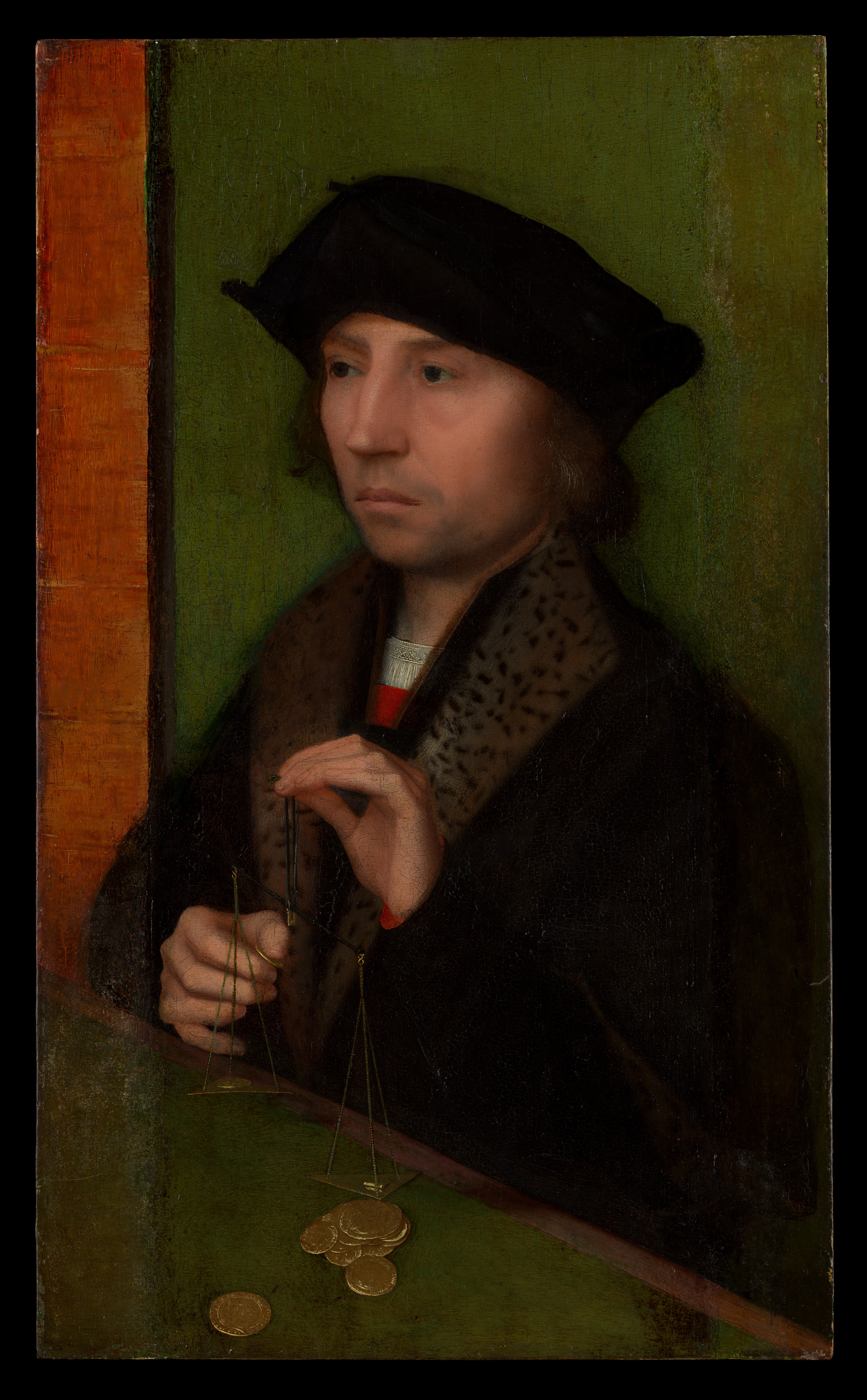
Executed in height 34.5 cm x width 26 cm, measuring width: 26; height: 34.5, the surface rewards close looking. Gerard ter Borch builds the composition through layered glazes and a tightly controlled palette, letting cool shadows recede so that the warm, lit passages step forward. The brushwork shifts from the precise to the almost dissolved — a hallmark of mature Baroque practice.
“A silence so complete it becomes its own witness.”