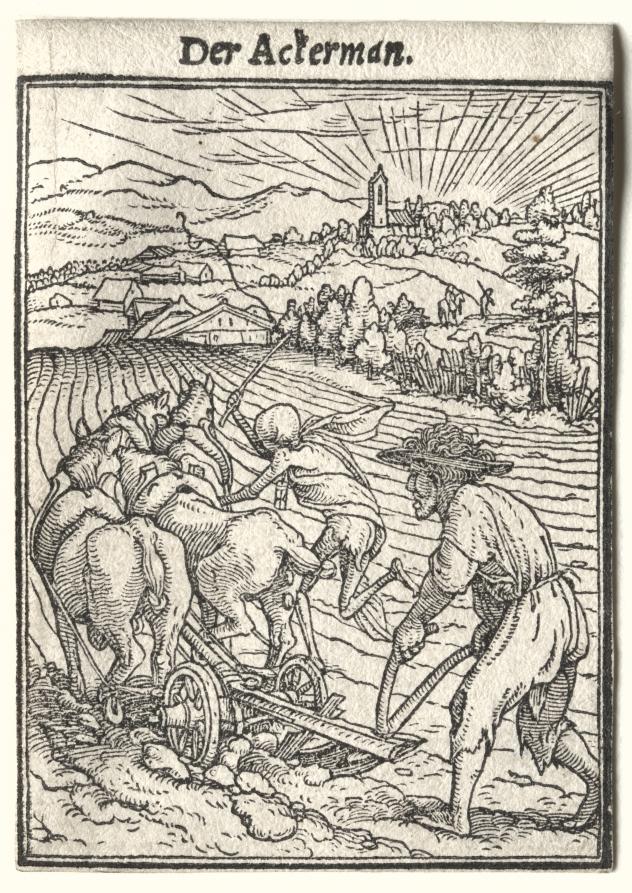
Dance of Death: The Ploughman
Hans Holbein the Younger
1006 likes56 comments
Paintale uses cookies for essential site functionality and, where enabled, to serve relevant advertising via Google AdSense. You can accept all cookies or reject non-essential ones. See our Privacy Policy for details.
Now viewing
Sir Thomas More
Hans Holbein the Younger
Period
Late Renaissance/Mannerism
Theme
Portrait
Medium
oil on wood in a gilt wood frame
Current Location
Cleveland Museum of Art, Cleveland
The Story
Sir Thomas More and His Family is a lost painting by Hans Holbein the Younger, created circa 1527 during Holbein’s first visit to England. The work depicted the noted statesman and scholar Sir Thomas More, his immediate family, and other members of his household. While the original painting was destroyed in a fire in 1752, at Schloss Kremsier (Kroměříž Castle), the Moravian residence of Carl von Liechtenstein, Archbishop of Olmutz, its composition is known through a number of surviving copies and studies.
The painting is known for demonstrating the interplay of Sir Thomas More's private and public life.
The physical object — oil on wood in a gilt wood frame, Framed: 8.6 x 8.6 x 1.3 cm (3 3/8 x 3 3/8 x 1/2 in.); Diameter: 6.5 cm (2 9/16 in.); Unframed: 6.7 x 6.4 cm (2 5/8 x 2 1/2 in.); Diameter of frame: 8 cm (3 1/8 in.) — carries its own history of handling and restoration. Hans Holbein the Younger's brushwork here moves between exacting description and looser, more suggestive passages, a balance typical of Baroque studio practice.
Look closely and the painting opens up. Objects you might pass over — a folded letter, a half-drawn curtain, the angle of a glance — were placed to be read. Likeness was only part of the job; the painting also had to argue for the sitter's place in the world.
Today the painting is held by Cleveland Museum of Art in Cleveland, where it remains a touchstone for understanding Hans Holbein the Younger's contribution to Western art. It has been studied, copied, restored, and argued over for centuries — proof that great paintings keep generating new readings long after their creators have gone.
“A silence so complete it becomes its own witness.”
Thomas More, Margaret Roper, John More, Cresacre More, Elizabeth Dauncey, Cecily Heron, Anne Cresacre, John More II.
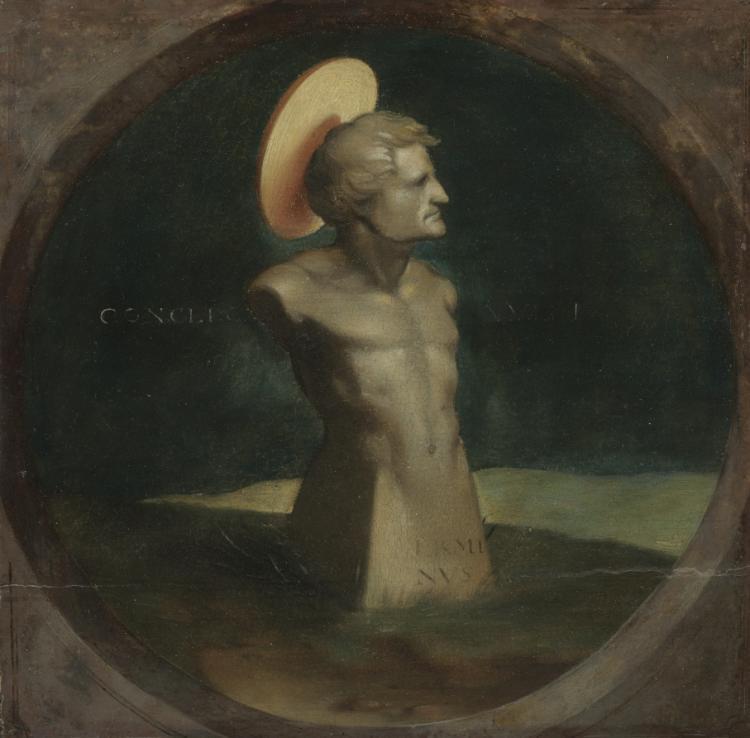
Sir Thomas More, 1600s. Follower of Hans Holbein the Younger (German, active England and Switzerland, 1497/98–1543). Oil on wood in a gilt wood frame; framed: 8.6 x 8.6 x 1.3 cm (3 3/8 x 3 3/8 x 1/2 in.); diameter: 6.5 cm (2 9/16 in.); unframed: 6.7 x 6.4 cm (2 5/8 x 2 1/2 in.); diameter of frame: 8 cm (3 1/8 in.). The Cleveland Museum of Art, The Edward B. Greene Collection, 1957.356
Accession: 1957.356. The Edward B. Greene Collection
Materials: oil paint, canvas.
Technique: oil on wood in a gilt wood frame.
Private collection, New York, NY [Rosenberg & Stiebel, Inc., New York, NY] The Edward B. Greene Collection, gifted to the Cleveland Museum of Art The Cleveland Museum of Art, Cleveland, OH
Cleveland Museum of Art, Cleveland. View on the museum’s official page.
See more works at Cleveland Museum of Art or browse the full Hans Holbein the Younger collection.
A restrained palette and sculptural lighting create a solemn geometry. The wooden crate and letter anchor the narrative with journalistic precision.
Sources
Keep Exploring
More paintings like this
Hans Holbein the Younger
Hans Holbein the Younger
Hans Holbein the Younger
Hans Holbein the Younger
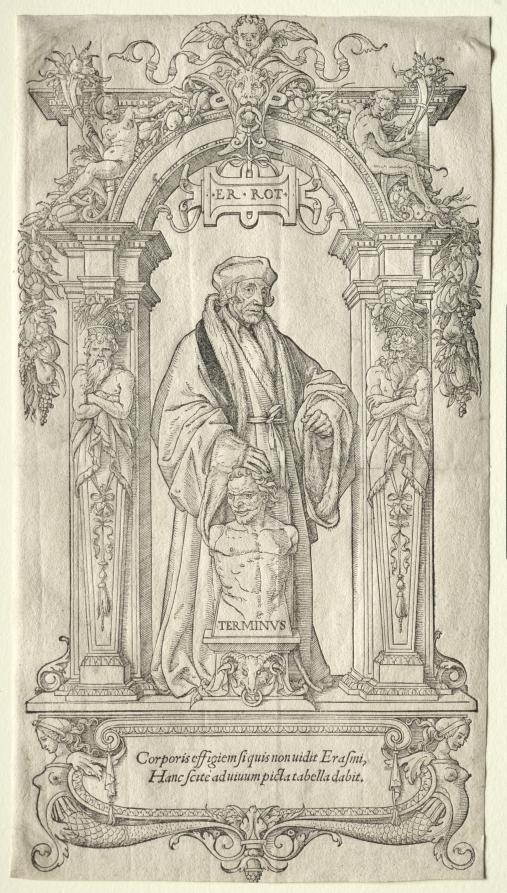
Hans Holbein the Younger
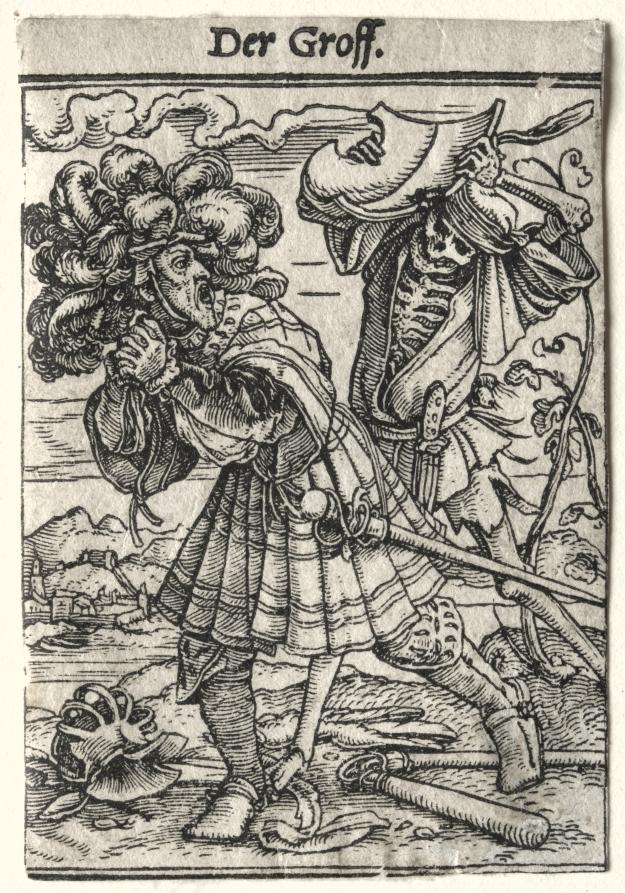
Hans Holbein the Younger
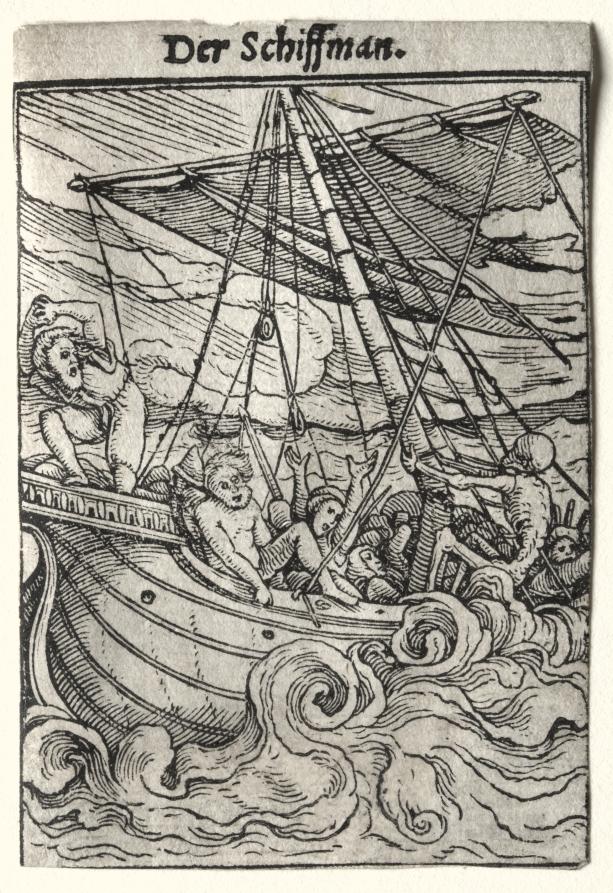
Hans Holbein the Younger
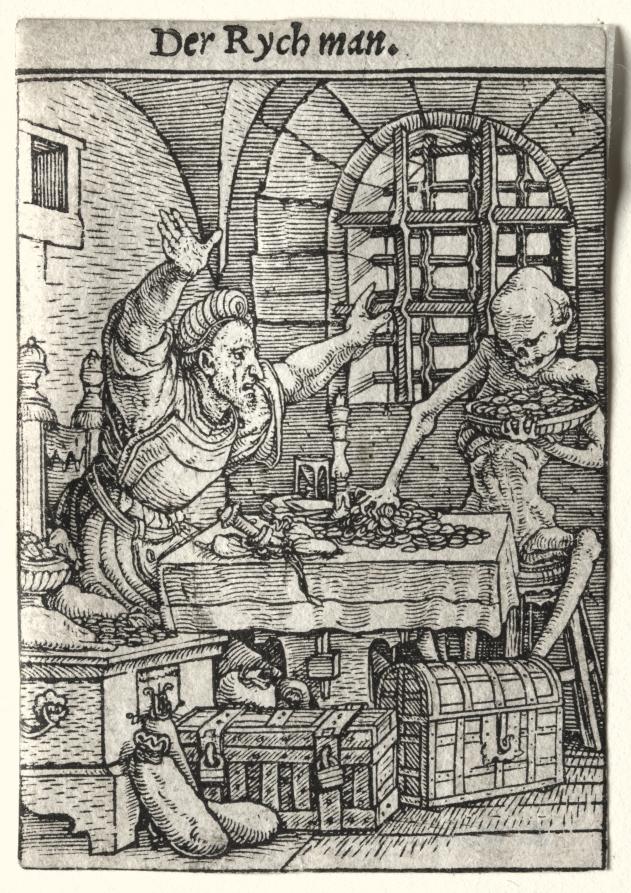
Hans Holbein the Younger