
Storm Over A Landscape
Leonardo da Vinci
533 likes43 comments
Paintale uses cookies for essential site functionality and, where enabled, to serve relevant advertising via Google AdSense. You can accept all cookies or reject non-essential ones. See our Privacy Policy for details.
Now viewing
Fishing Boats off an Estuary
Jan van Goyen
Period
1600-1650
Theme
Landscape
Medium
Oil on panel
Current Location
Art Institute of Chicago, Chicago
The Story
With its low horizon line, monochrome palette, and efficient paint handling, this panel is characteristic of early river landscapes by Jan van Goyen. In a society that provided a broad market for art, Van Goyen executed both small- and large-scale paintings of waterways, with varying levels of detail, to appeal to buyers at the lower and higher ends of the market. Such views of Dutch canals, moody skies, and seafaring activities appealed to collectors in the young republic, which prided itself on its maritime prowess.
Created in 1633 during the 1600-1650 period, this work belongs firmly within the landscape tradition. Jan van Goyen worked at a moment when the rivalry between Catholic Baroque drama and Protestant restraint reshaped what a painting could mean. Every gesture, fabric, and gleam of light was decoded by contemporary viewers like a private language.
Working in Oil on panel at 36 × 57.8 cm (14 1/8 × 22 3/4 in.); Framed: 57.2 × 78.1 × 5.1 cm (22 1/2 × 30 3/4 × 2 in.), Jan van Goyen constructs depth through value contrast rather than outline, letting figures emerge from darkness the way they would under candlelight or through a shuttered window.
Look closely and the painting opens up. Objects you might pass over — a folded letter, a half-drawn curtain, the angle of a glance — were placed to be read. Weather and light are the real subject — the artist is tracking a specific, fleeting atmospheric moment rather than an idealized, generic view.
Art Institute of Chicago in Chicago now holds the work, where conservators and historians continue to revisit its condition and attribution. Each generation of scholarship adds a layer to how Jan van Goyen's output from this period is understood.
“A silence so complete it becomes its own witness.”
With its low horizon line, monochrome palette, and efficient paint handling, this panel is characteristic of early river landscapes by Jan van Goyen. In a society that provided a broad market for art, Van Goyen executed both small- and large-scale paintings of waterways, with varying levels of detail, to appeal to buyers at the lower and higher ends of the market. Such views of Dutch canals, moody skies, and seafaring activities appealed to collectors in the young republic, which prided itself on its maritime prowess.
Mr. and Mrs. Martin A. Ryerson Collection
Technique: panel painting, oil painting, painting, painting (image making), painting techniques.
Inscriptions: Inscribed lower left on boat: VG 1653.
Simon Stinstra (died 1782), Haarlem; his sale Van der Schley, etc., Amsterdam, March 26, 1783, lot 50 for 32 guilders to Bouwer [price and buyer according to an annotated copy of the sale catalogue in the Frick Art Reference Library, New York]. Etienne Arago [according to the catalogue of the Rothan sale, cited below]; his sale, Hôtel Drouot, Paris, February 8, 1872, lot 32 as Marine for 3,250 francs to Gustave Rothan [price according to an annotated copy of the sale catalogue in the Rijksbureau voor Kunsthistorische Documentatie, The Hague; buyer according to Beck 1973]; Gustave Rothan (died 1890), Paris, by 1873 [according to Paul Mantz 1873]; his sale, Galerie Georges Petit, May 29–31, 1890, lot 45 as Le Calme plat for 10,000 francs to Durand-Ruel, Paris [price according to an annotated copy of the sale catalogue in the Rijksbureau voor Kunsthistorische Documentatie, The Hague; buyer according to a letter from Caroline Durand-Ruel Godfroy to Charles Stuckey dated December 13, 1994, copy in curatorial file]; Durand-Ruel, Paris, 1890 [according to the letter cited above, the painting was Durand-Ruel, Paris stock no. 423]; sold to Martin A. Ryerson (died 1932), Chicago for 10,500 francs, 1890 [according to the letter cited above]; on loan to the Art Institute by 1925; bequeathed to the Art Institute, 1933.
Art Institute of Chicago, Chicago. View on the museum’s official page.
See more works at Art Institute of Chicago or browse the full Jan van Goyen collection.
A restrained palette and sculptural lighting create a solemn geometry. The wooden crate and letter anchor the narrative with journalistic precision.
Sources
Keep Exploring
More paintings like this
Leonardo da Vinci

Leonardo da Vinci

Leonardo da Vinci

Leonardo da Vinci
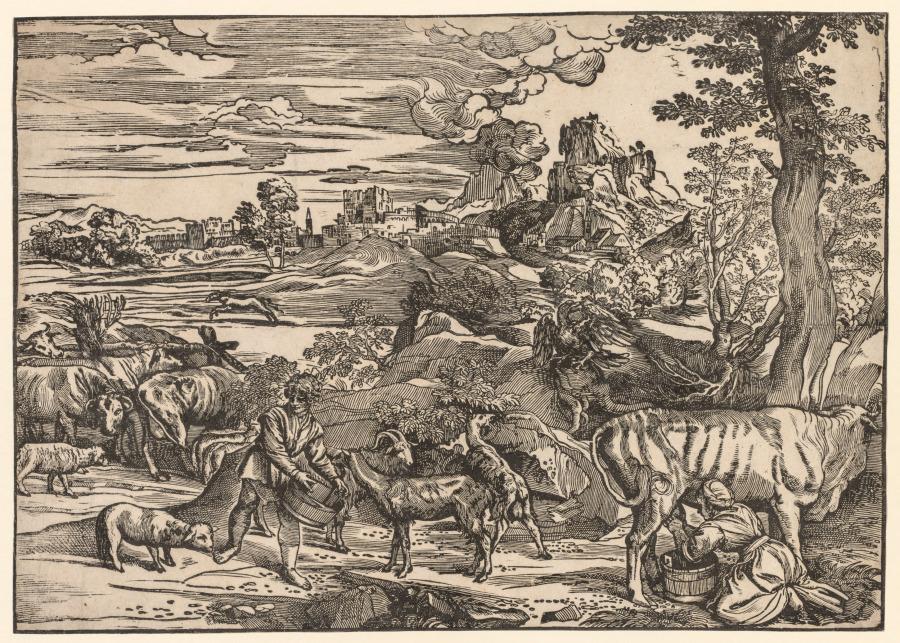
Niccolo Boldrini
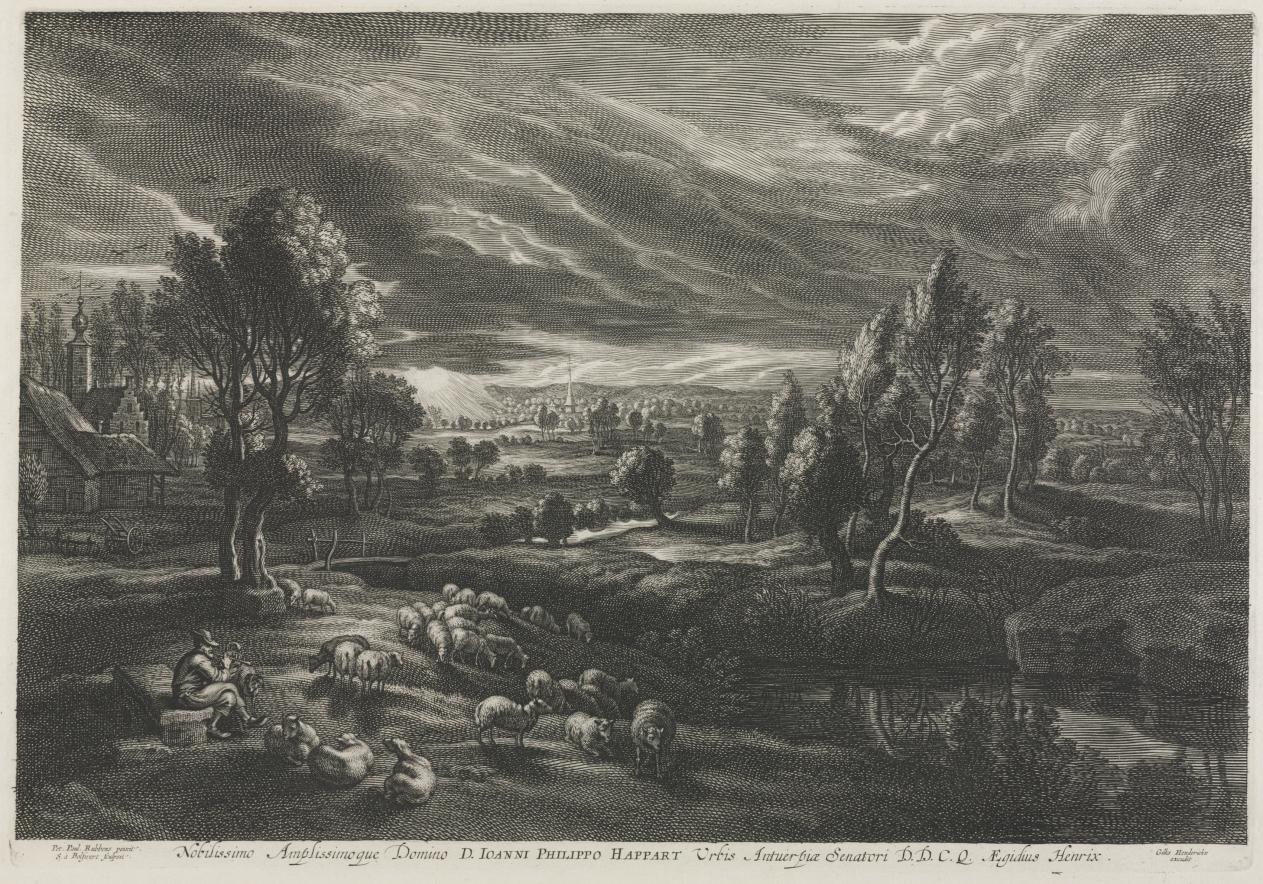
Schelte Adams Bolswert
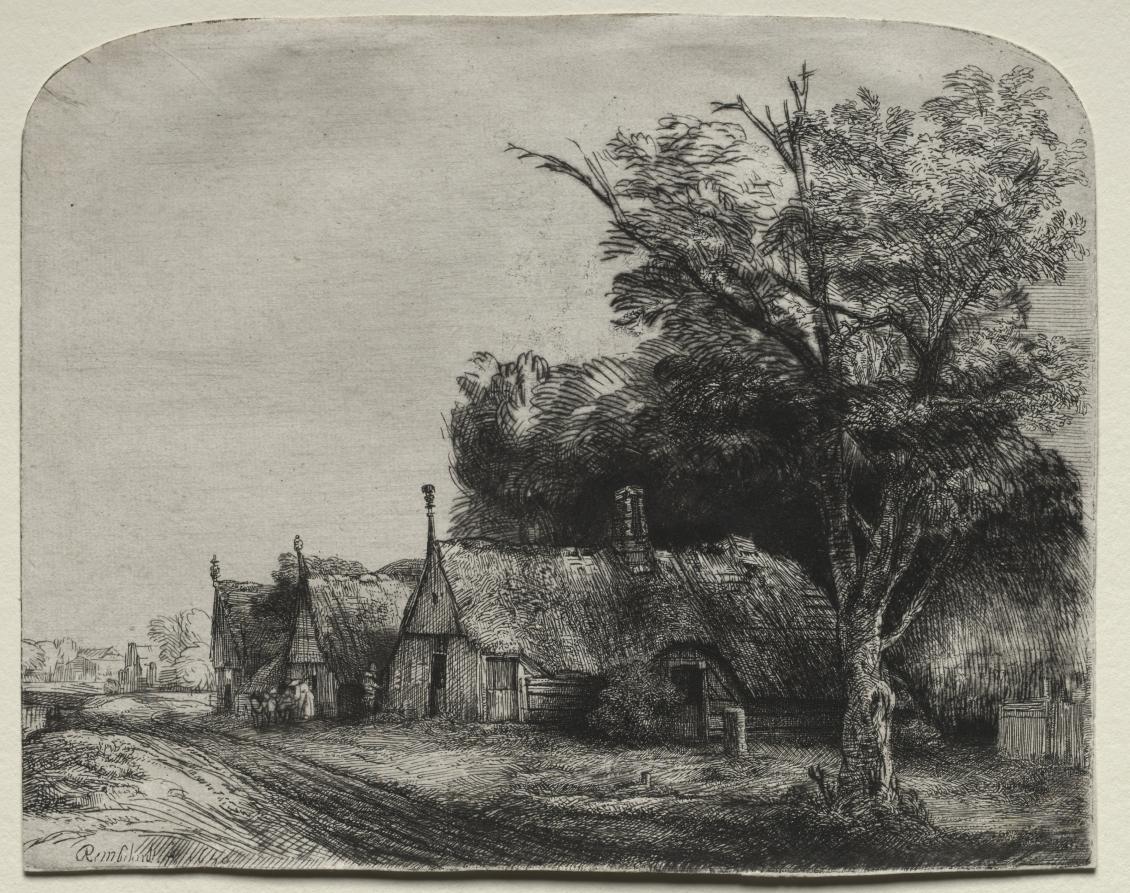
Rembrandt van Rijn

Hieronymus Bosch