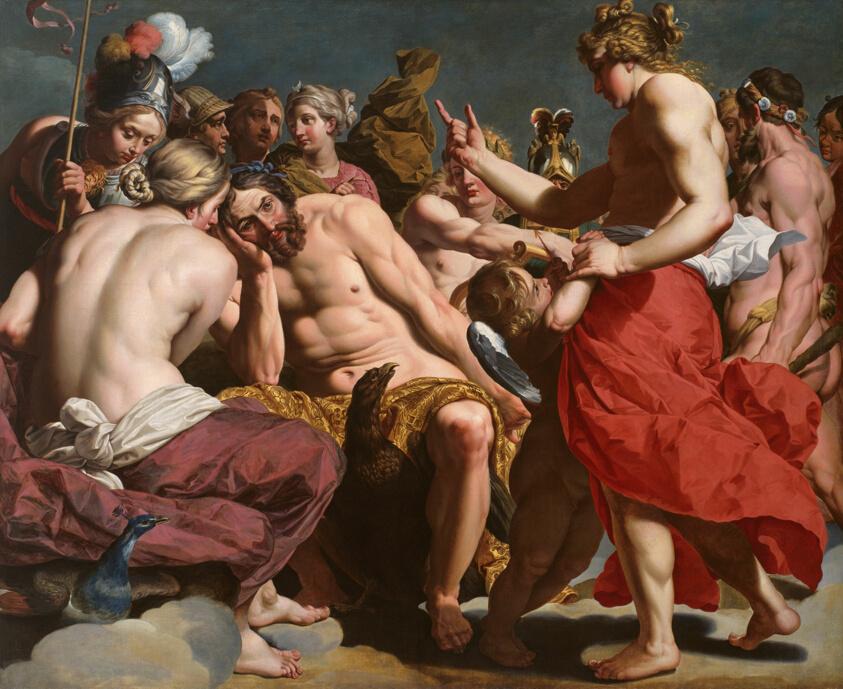
Jupiter Rebuked by Venus
Abraham Janssens
1116 likes86 comments
Paintale uses cookies for essential site functionality and, where enabled, to serve relevant advertising via Google AdSense. You can accept all cookies or reject non-essential ones. See our Privacy Policy for details.
Now viewing
Panthea, Cyrus, and Araspas
Laurent de La Hyre
Period
1600-1650
Theme
Love & Romance
Medium
Oil on canvas
Current Location
Art Institute of Chicago, Chicago
The Story
This is one of two surviving paintings from Laurent de La Hyre’s series illustrating the story of Queen Panthea’s capture by the armies of Cyrus the Great, the ancient king of Persia. Cyrus, shown here in blue, refused even to gaze upon the beautiful queen, choosing instead to concentrate on affairs of state and turning her care over to his friend Araspas, who ultimately fell in love with her to tragic consequences.
La Hyre’s take on this tale of the conflict between love and civic duty was probably made as part of a suite of decorations for a reception room or a private cabinet in a Parisian townhouse.
The physical object — Oil on canvas, 141.9 × 102 cm (55 7/8 × 40 1/8 in.); Framed: 171.5 × 131.5 cm (67 1/2 × 51 3/4 in.) — carries its own history of handling and restoration. Laurent de La Hyre's brushwork here moves between exacting description and looser, more suggestive passages, a balance typical of Baroque studio practice.
Look closely and the painting opens up. Objects you might pass over — a folded letter, a half-drawn curtain, the angle of a glance — were placed to be read. Cupids, mirrors, and flowers are not decoration; they signal desire, vanity, and the swift passage of beauty.
Art Institute of Chicago in Chicago now holds the work, where conservators and historians continue to revisit its condition and attribution. Each generation of scholarship adds a layer to how Laurent de La Hyre's output from this period is understood.
“A silence so complete it becomes its own witness.”
This is one of two surviving paintings from Laurent de La Hyre’s series illustrating the story of Queen Panthea’s capture by the armies of Cyrus the Great, the ancient king of Persia. Cyrus, shown here in blue, refused even to gaze upon the beautiful queen, choosing instead to concentrate on affairs of state and turning her care over to his friend Araspas, who ultimately fell in love with her to tragic consequences. La Hyre’s take on this tale of the conflict between love and civic duty was probably made as part of a suite of decorations for a reception room or a private cabinet in a Parisian townhouse.
Major Acquisitions Centennial Endowment
Technique: oil painting, painting, painting (image making), painting techniques.
Art market, Germany [according to Paris 1982, no. 31]. Sold at a public sale, Milan, to Ettore Viancini, Venice [letter of August 24, 1976 from Pierre Rosenberg to Patrice Marandel and note of conversation of Susan Wise with Patrice Marandel in curatorial file]; sold by Viancini to Gilberto Algranti, Milan and London [according to letter and note cited above]; sold by Algranti to Silvano Lodi, Campione d’Italia, and Bruno Meissner, Zurich, 1973 [according to letter and note cited above], passed solely into Meissner’s possession [letter from Bruno Meissner to Susan Wise dated May, 1981 in curatorial file]; sold by Meissner to Art Institute, 1976.
Art Institute of Chicago, Chicago. View on the museum’s official page.
See more works at Art Institute of Chicago or browse the full Laurent de La Hyre collection.
A restrained palette and sculptural lighting create a solemn geometry. The wooden crate and letter anchor the narrative with journalistic precision.
Sources
Keep Exploring
More paintings like this
Abraham Janssens
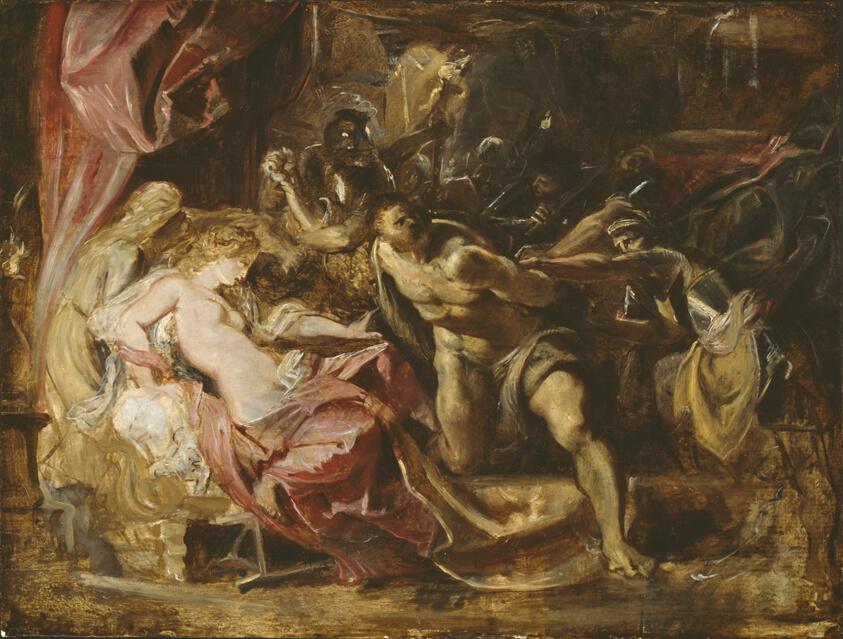
Peter Paul Rubens
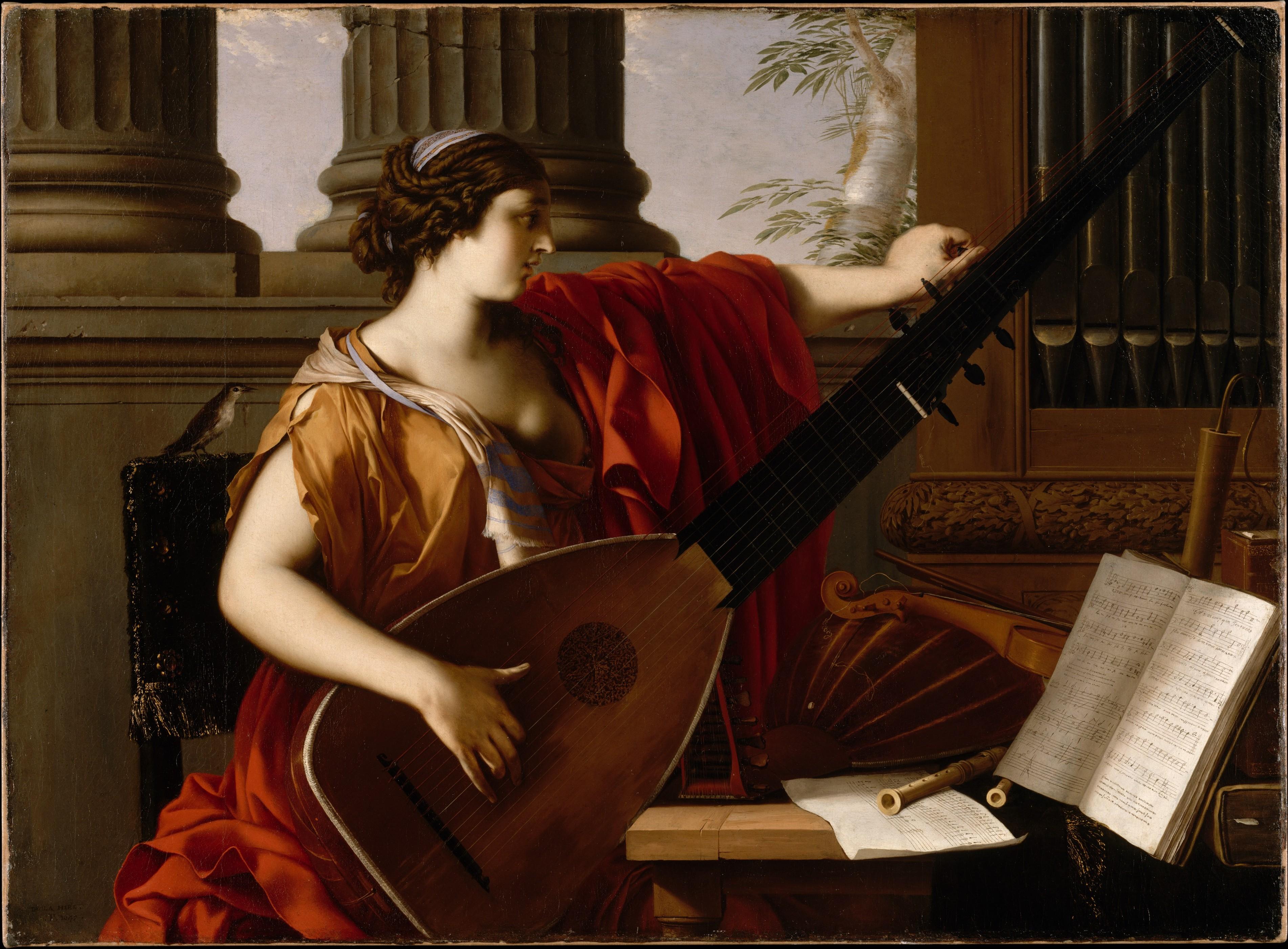
Laurent de La Hyre
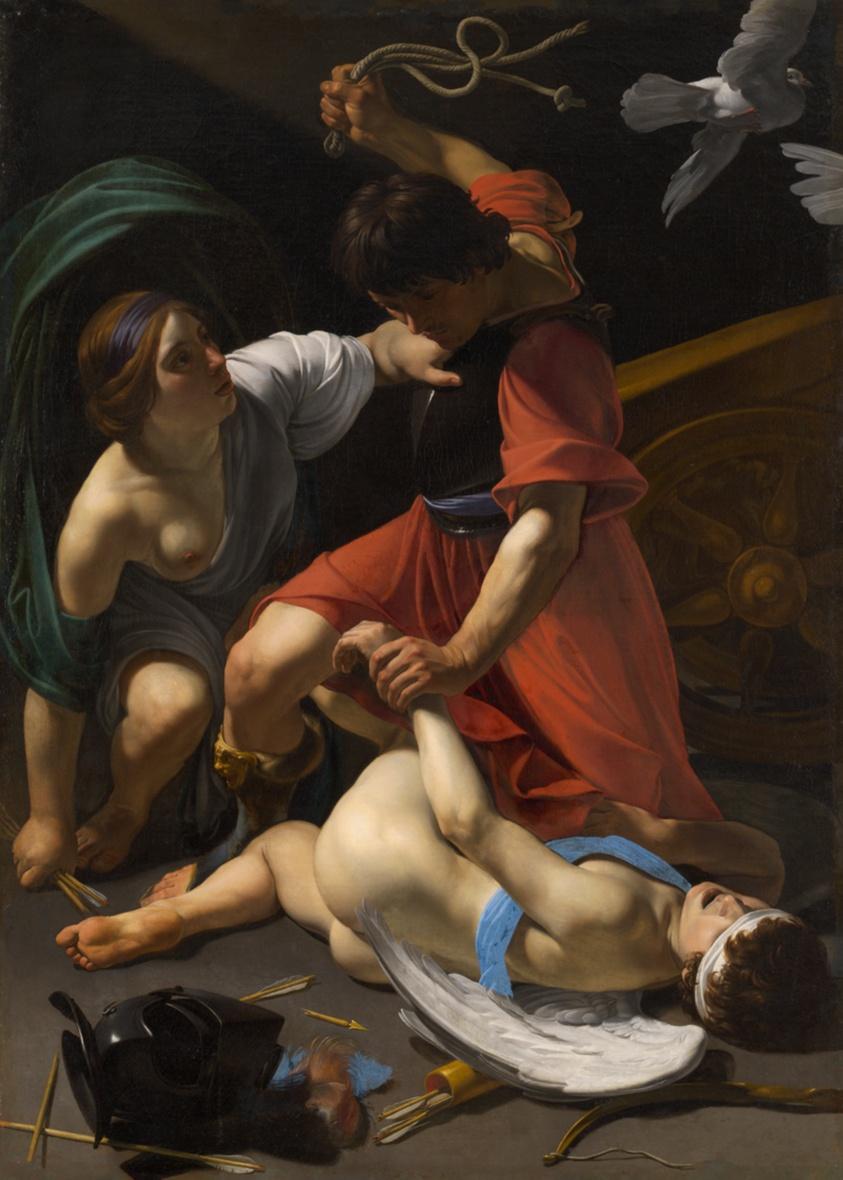
Bartolomeo Manfredi
Alessandro Turchi
Caravaggio

Sandro Botticelli

Sandro Botticelli